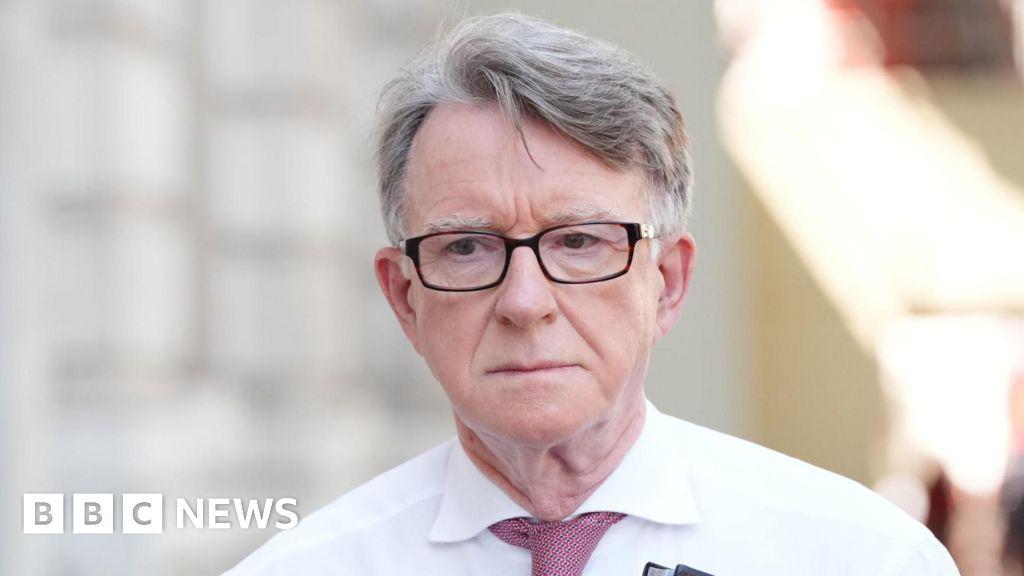
As a major figure in the centrist Blairite wing of Labour, Mandelson is at the centre of a scandal involving alleged payments from a wealthy financier and behind-the-scenes policy influence (e.g. regarding the bankers’ bonus tax). This raises questions about credibility, elite networks, and the governance of pro-market parties. The scandal also raises institutional issues that the sub often cares about, like transparency, lobbying rules, conflicts of interest, and whether the UK’s oversight systems (the ministerial code, the House of Lords’ standards process and ambassadorial vetting) are powerful enough to prevent undue influence.
What do you think people should discuss about it?
The interesting policy angle is not Mandelson’s personal judgement, but what the episode tells about the connection between money, access and policymaking, especially when informal channels such as emails and personal relationships sit alongside formal consultation with industry. Readers could discuss which reforms would improve governance, for example financial disclosure requirements, lobbying enforcement, appointments and vetting standards, House of Lords accountability, and how to handle peers implicated in major scandals. However, the sub should remember that being named in the Epstein files is not itself proof of wrongdoing.
Infinite_Stick_4684 on
Gotta feel a little sorry for Starmer in that it’s obvious why he picked Mandelson but he can’t just come out and say, “yeah I hired him because I thought a sleazy corrupt guy would get on great with Trump”
On the other hand, hiring The Artist Formerly Known As The Prince Of Darkness pretty obviously had the potential to backfire.

2 Comments
Why is this relevant for r/neoliberal?
As a major figure in the centrist Blairite wing of Labour, Mandelson is at the centre of a scandal involving alleged payments from a wealthy financier and behind-the-scenes policy influence (e.g. regarding the bankers’ bonus tax). This raises questions about credibility, elite networks, and the governance of pro-market parties. The scandal also raises institutional issues that the sub often cares about, like transparency, lobbying rules, conflicts of interest, and whether the UK’s oversight systems (the ministerial code, the House of Lords’ standards process and ambassadorial vetting) are powerful enough to prevent undue influence.
What do you think people should discuss about it?
The interesting policy angle is not Mandelson’s personal judgement, but what the episode tells about the connection between money, access and policymaking, especially when informal channels such as emails and personal relationships sit alongside formal consultation with industry. Readers could discuss which reforms would improve governance, for example financial disclosure requirements, lobbying enforcement, appointments and vetting standards, House of Lords accountability, and how to handle peers implicated in major scandals. However, the sub should remember that being named in the Epstein files is not itself proof of wrongdoing.
Gotta feel a little sorry for Starmer in that it’s obvious why he picked Mandelson but he can’t just come out and say, “yeah I hired him because I thought a sleazy corrupt guy would get on great with Trump”
On the other hand, hiring The Artist Formerly Known As The Prince Of Darkness pretty obviously had the potential to backfire.