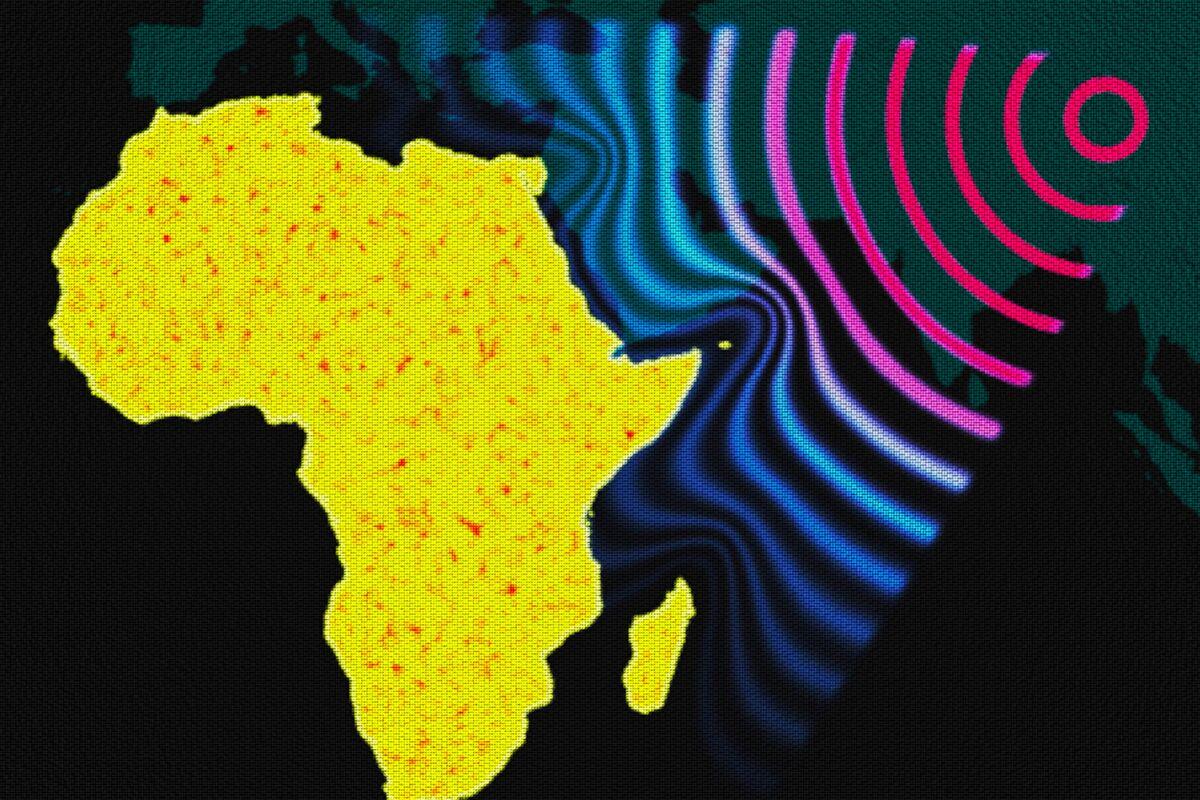
Beijing’s multi-billion-dollar, decades-long campaign to expand Chinese media’s presence in Africa has largely failed, with consumers turning to Western outlets instead. Since the turn of the century, China has risen to become Africa’s biggest trading partner: State-backed firms have spent billions to gain control of the continent’s critical resources. The investment spree has boosted Africans’ views of Beijing, with China recently topping a favorability poll conducted by Afro Barometer. However media organizations have failed to keep up, with bureaucratic dysfunction and tighter political controls marking major roadblocks for Chinese firms. “Audiences are more attuned to news from the West than from China, which generates distrust,” a Nigeria-based analyst told Bloomberg.

1 Comment
Beijing’s multi-billion-dollar, decades-long campaign to expand Chinese media’s presence in Africa has largely failed, with consumers turning to Western outlets instead. Since the turn of the century, China has risen to become Africa’s biggest trading partner: State-backed firms have spent billions to gain control of the continent’s critical resources. The investment spree has boosted Africans’ views of Beijing, with China recently topping a favorability poll conducted by Afro Barometer. However media organizations have failed to keep up, with bureaucratic dysfunction and tighter political controls marking major roadblocks for Chinese firms. “Audiences are more attuned to news from the West than from China, which generates distrust,” a Nigeria-based analyst told Bloomberg.