
Submission Statement:
- South Africa's supply of natural gas, coming via pipeline from Mozambique, is running out. South Africa does not really have any gas of its own, but needs gas for industrial uses.
- The author says that imports of Liquified Natural Gas are infeasible because the cost of the specialized LNG terminals is too high for the kind of revenues that can be generated from the present domestic market. The business case for gas from pipelines made sense, but gas from LNG import terminals does not make sense.
- Without gas, South Africa's industry will starve and tens of thousands of jobs will be lost.
- The author discusses the idea of creating a larger market for LNG if the government commits to burn gas for electricity, but argues that this would be an unjustifiable because electricity from renewables is much cheaper than electricity from gas and the government would not be able to undertake such an irrational and expensive activity
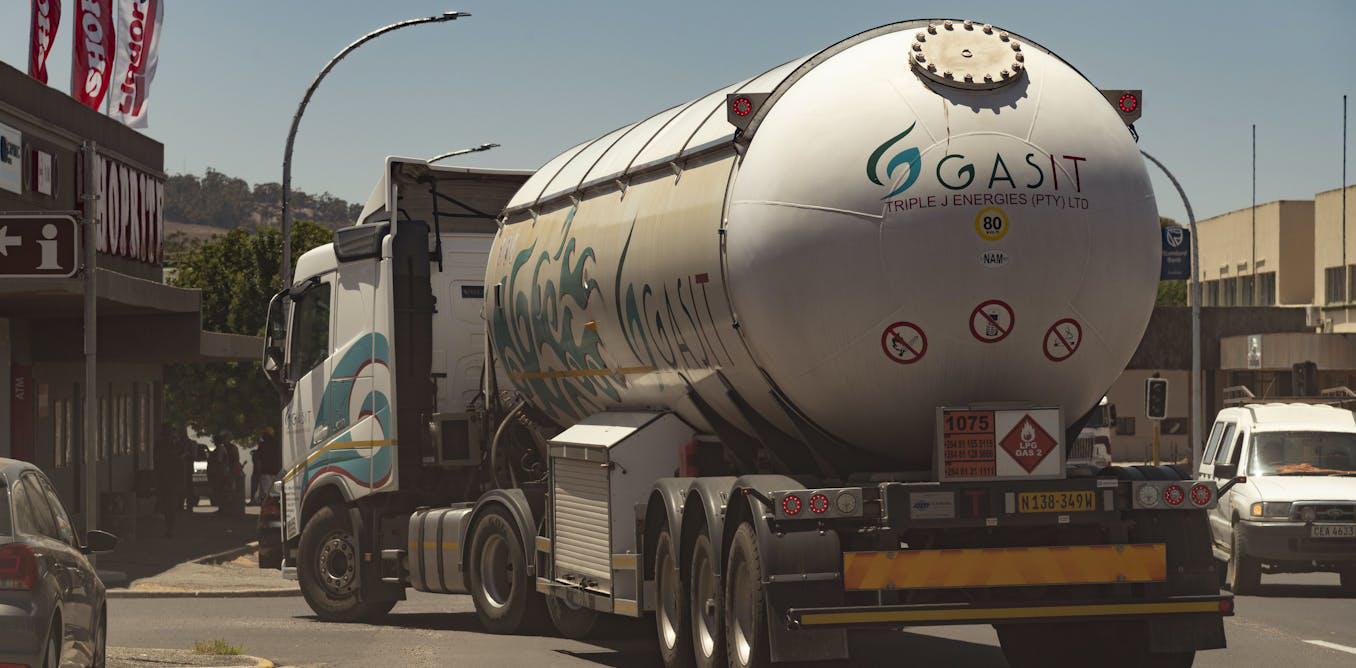
- The author proposes the use of petroleum gases (propane and butane) rather than natural gas (methane), and argues for the import of Liquified Petroleum Gases (LPG), which has much easier and cheaper storage requirements.
Relevance:
- This is a relatively niche problem / edge case in energy policy which is explored from a technical and economic lens by an academic and engineer. Most articles I read discuss gas as being naturally complementary to renewable energy, but this article demonstrates that there is a bit of a tension there too once you look at the whole supply chain for each. This article will be relevant to anybody who is interested in having more nuance in discussions on energy mix policy.
- This article will be relevant to people in countries where there are little to no LNG terminals, renewable electricity uptake is growing, and the country has to maintain or develop a modest industrial base which would utilize gas. Such countries could face a similar conundrum.
Posted by Top_Lime1820
1 Comment
Hopefully they can adapt and find a fix.