
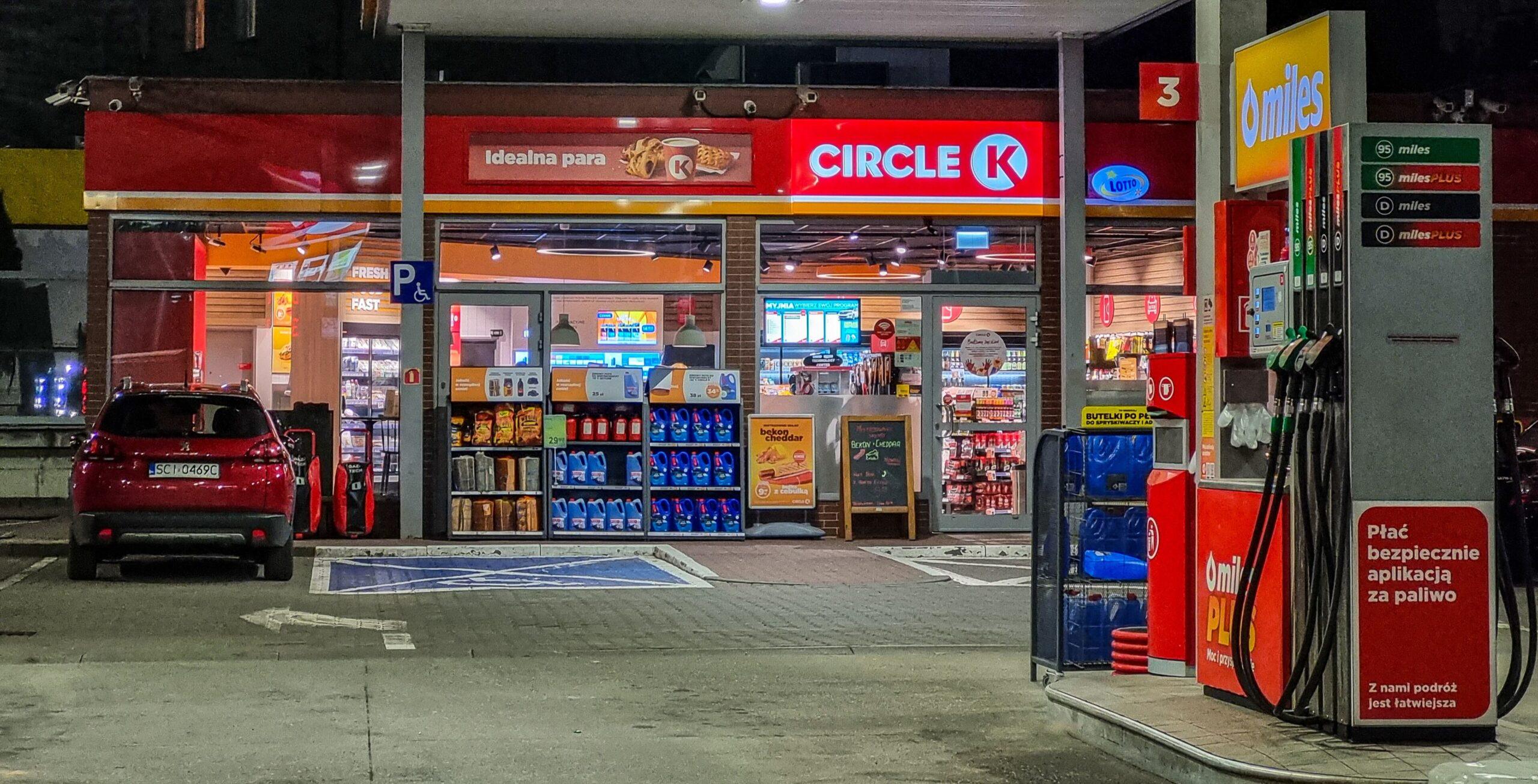
Poland has introduced maximum retail prices for petrol and diesel, as the government seeks to shield consumers from the surge in fuel costs caused by the ongoing conflict in the Middle East. Retailers caught selling above the cap face fines of up to 1 million zloty (€233,000).
The price caps are part of a package of measures, which also includes temporary cuts to VAT and excise duty on fuel, unveiled last Thursday by the government before quickly being approved by parliament and signed into law by President Karol Nawrocki on Friday.
“None of us has any influence over what is happening in the Middle East,” said energy minister Miłosz Motyka, quoted by news website Forsal. But “the Polish government will do everything to provide relief to Polish families in this moment of crisis”.
The new price caps – which, starting from today, are set daily by the energy ministry – are intended to ensure tax reductions are passed on to consumers rather than absorbed by fuel companies. They are set to remain in place until 30 April.
The level of the cap is calculated using a formula based on average wholesale fuel prices, taxes, a fuel surcharge and a fixed retail margin of 0.3 zloty per litre. If announced before weekends or public holidays, the rate will remain in effect until the next working day.
Under the new rules, the maximum price on Tuesday is 6.16 zloty (€1.44) per litre for 95-octane petrol, 6.76 zloty per litre for 98-octane petrol, and 7.60 zloty per litre for diesel.
Motyka says that the new prices are around 1.2 zloty per litre less than on Monday. According to price aggregator service CenyPaliw, Tuesday’s caps are around 0.8-1 zloty per litre, or 11.3-11.7%, lower than their average over the seven days up to Monday.
Separately, a regulation cutting excise duty on fuels to the lowest levels allowed by the European Union took effect on Monday and will remain in place until 15 April. VAT on fuels has also been reduced from 23% to 8% between 31 March and 30 April.
The finance ministry estimates that the excise duty cut will cost the budget around 700 million zloty per month and the VAT cut around 900 million zloty. Tusk says, however, that the government could consider a windfall tax on fuel companies if they are found to be making excessive profits.
After the government unveiled its plans last week, a European Commission spokesperson noted that EU law does not permit VAT on fuels to be cut.
However, media outlets Polskie Radio and Wirtualna Polska report, based on unnamed EU sources, that the commission is unlikely to take action against Poland as it recognises the exceptional context of concerns over energy security and prices amid the current crisis.
Alicja Ptak is deputy editor-in-chief of Notes from Poland and a multimedia journalist. She has written for Clean Energy Wire and The Times, and she hosts her own podcast, The Warsaw Wire, on Poland’s economy and energy sector. She previously worked for Reuters.
Posted by BubsyFanboy
3 Comments
!ping POLAND&ECON
**1. Why is this relevant for** r/neoliberal **?**
This is relevant to Polish politics, economy and oil trade.
**2. What do you think people should discuss about it?**
I think people should talk about the 2026 Iran War’s influence on the oil market, Poland’s reactions, the government’s moves, the opposition’s moves and statements and the broader consequences of the price lowering.
**2a. What do you think of the issue at hand?**
Between PiS’s latest #efektCzarnka post (usurping KO’s action as PiS’s achievement because they made a bill that lowers prices first) and PiS blaming the at the time opposition for expenses, I have a feeling PiS genuinely pushes the idea that the opposition is factually in charge of the economy.
And when you can’t purchase gas for less than the price cap?
The fact that it’s adjusted daily will mean there is a lot of pressure from the regulators to guess things correctly. Since the purpose is to make sure the tax discounts as aren’t absorbed as profits as opposed to simply declaring prices, it leaves not much wiggle room for success.
I do wonder how this experiment will proceed. Will the prices be the de facto price of petrol or will there be enough wiggle room that places can compete? Economic experiments are interesting to watch, not necessarily fun to be in.