This article is a good fit for r/neoliberal because it challenges the popular left-wing “price gouging” narrative and shows how California’s high gas prices are driven by a mix of state policy choices, regulatory costs, and supply constraints, not corporate conspiracy. The investigation highlights how environmental rules, refinery closures, and an isolated fuel market create predictable price pressures and volatility—illustrating core neoliberal themes about trade-offs, incentives, and unintended consequences of government regulation.
Unusual-State1827 on
From the article:
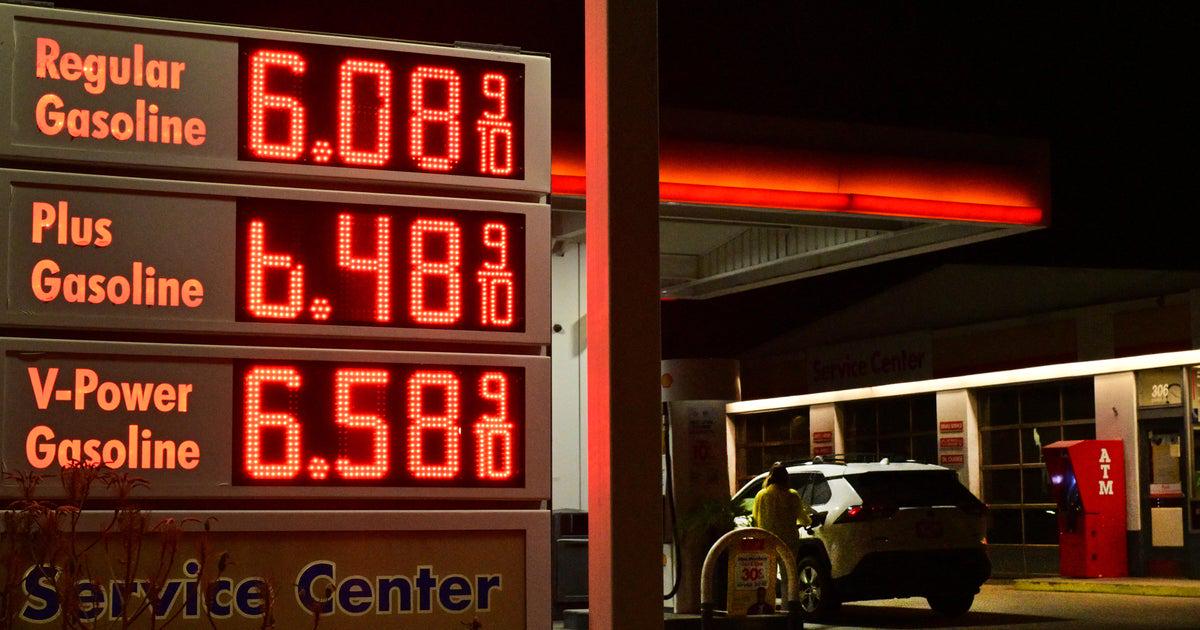
Why California gas costs more: Higher taxes, labor and business costs, combined with environmental programs, regulations, and the state’s unique fuel blend, drive up baseline prices.
Here’s a current breakdown of California-specific costs per gallon:
Sales taxes (2%)
State sales tax: 2.25% average
Local/special district taxes: 1% average
State climate programs (10%)
Cap-and-Trade: 23 cents
Low Carbon Fuel Standard: 14 cents
Base taxes and fees (15%)
CA special gas blend 10-15 cents
Distribution (15%)
Federal tax (5%)
Crude oil costs (40%)
Why refineries are leaving: Rising costs, increasing regulations, long-term policy uncertainty, and shrinking returns
Following the price gouging session, two major refineries — Valero in the San Francisco Bay Area and Wilmington Phillips 66 in the Los Angeles area — have shut down, taking hundreds of jobs and nearly one-fifth of the state’s gasoline production with them.
That loss tightens supply in a state that already operates as what experts describe as an “energy island” — with no major pipelines bringing in gasoline from other states.
murdered-by-swords on
So there’s a “mystery surcharge” priced in to the equation with no clear explanation — or even _unclear_ explanation — and we’re supposed to accept that there is no price gouging at all? While this article does a great job of outlining California’s own questionable decisions, the headline feels like an out-and-out lie.

3 Comments
This article is a good fit for r/neoliberal because it challenges the popular left-wing “price gouging” narrative and shows how California’s high gas prices are driven by a mix of state policy choices, regulatory costs, and supply constraints, not corporate conspiracy. The investigation highlights how environmental rules, refinery closures, and an isolated fuel market create predictable price pressures and volatility—illustrating core neoliberal themes about trade-offs, incentives, and unintended consequences of government regulation.
From the article:
Why California gas costs more: Higher taxes, labor and business costs, combined with environmental programs, regulations, and the state’s unique fuel blend, drive up baseline prices.
Here’s a current breakdown of California-specific costs per gallon:
Sales taxes (2%)
State sales tax: 2.25% average
Local/special district taxes: 1% average
State climate programs (10%)
Cap-and-Trade: 23 cents
Low Carbon Fuel Standard: 14 cents
Base taxes and fees (15%)
State excise tax: 61 cents
Underground storage fee: 2 cents
Refining (13%)
CA special gas blend 10-15 cents
Distribution (15%)
Federal tax (5%)
Crude oil costs (40%)
Why refineries are leaving: Rising costs, increasing regulations, long-term policy uncertainty, and shrinking returns
Following the price gouging session, two major refineries — Valero in the San Francisco Bay Area and Wilmington Phillips 66 in the Los Angeles area — have shut down, taking hundreds of jobs and nearly one-fifth of the state’s gasoline production with them.
That loss tightens supply in a state that already operates as what experts describe as an “energy island” — with no major pipelines bringing in gasoline from other states.
So there’s a “mystery surcharge” priced in to the equation with no clear explanation — or even _unclear_ explanation — and we’re supposed to accept that there is no price gouging at all? While this article does a great job of outlining California’s own questionable decisions, the headline feels like an out-and-out lie.