
MrBeastKey Takeaways
David Sacks’ exit as “AI and Crypto Czar” coincides with his appointment as PCAST Co-Chair.
During his 130-day tenure, Sacks helped drive major pro-crypto moves.
The crypto community remains divided.
Venture capitalist David Sacks’ brief but high-profile stint as the White House’s de facto “AI and Crypto Czar” has come to an end, capping roughly four months of influence over U.S. digital asset policy during President Donald Trump’s second administration.
His exit from the informal advisory role coincides with a formal elevation to a more structured position in the administration’s technology policy apparatus.
David Sacks: From Crypto Czar to PCAST Co-Chair
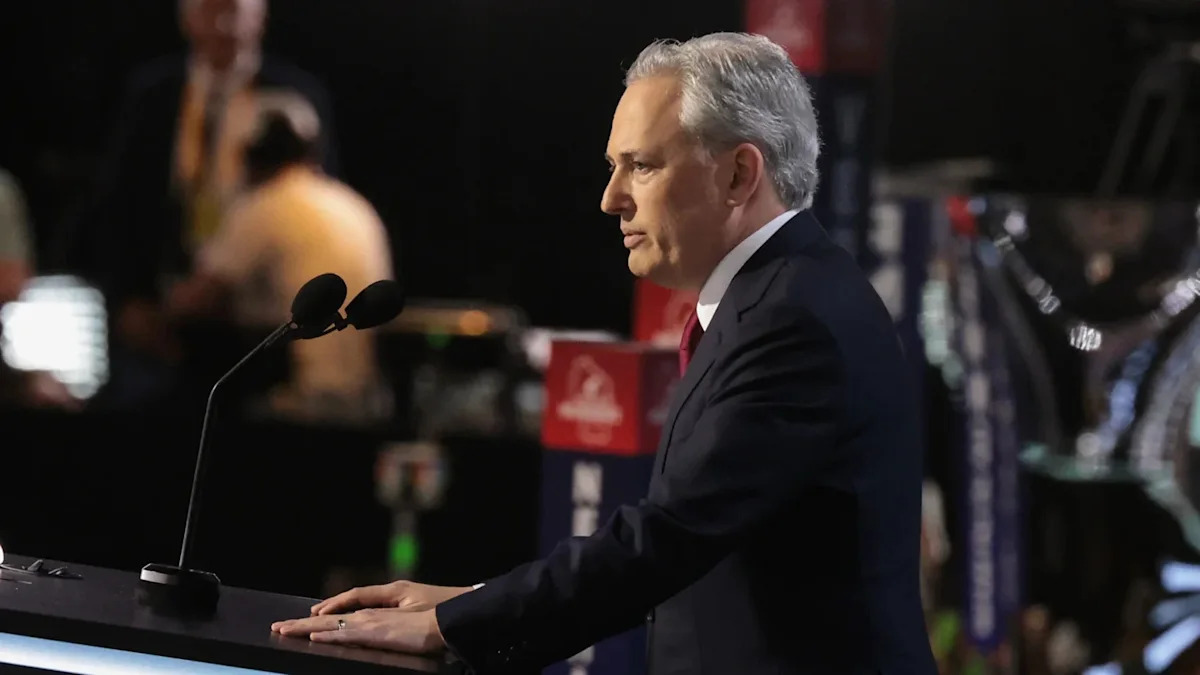
Sacks confirmed he will now serve as co-Chair of the President’s Council of Advisors on Science and Technology (PCAST), alongside Office of Science and Technology Policy Director Michael Kratsios.
“I am honored and grateful to be appointed… and to be named co-Chair,” Sacks said, describing PCAST as “the principal body of external advisors tasked with shaping science, technology, and innovation policy for the President and the White House.”
The council includes prominent figures from across Silicon Valley and industry, including Marc Andreessen, Jensen Huang and Mark Zuckerberg.
What Did David Sacks Achieve In Crypto?
During his roughly 130-day tenure, Sacks helped steer a rapid shift in U.S. digital asset policy, aligning the administration behind a more openly supportive stance toward the crypto industry.
Early actions included an executive order prioritizing American leadership in digital assets, which barred the development of a central bank digital currency and set up a White House working group to coordinate policy.
The administration later expanded its ambitions with the creation of a Strategic Bitcoin Reserve and a national digital asset stockpile, signaling a willingness to integrate cryptocurrencies into government strategy.
Legislative momentum followed, with Congress passing the GENIUS Act in July 2025 — the first major federal framework for stablecoins — with bipartisan backing.
At the same time, regulators adopted a less aggressive posture.
Several SEC investigations were dropped, and leadership changes across agencies signaled a friendlier approach to the sector.
Among the most controversial steps was the effective defunding of the Consumer Financial Protection Bureau, a move Sacks himself described as his “personal favorite.”
A Divided Crypto Community
Despite these actions, Sacks’ legacy remains hotly debated within the crypto community.
Critics argue that headline initiatives — particularly the Bitcoin reserve — have yet to deliver tangible benefits.
“Hey crypto bros who voted for Trump — how’d that Bitcoin reserve work out for you?” wrote investor Adam Cochran on X, criticizing what he described as unfulfilled promises.
Others defended Sacks and the administration, arguing that policy direction alone represents meaningful progress.
“He’s done more for crypto than any president, just by being positive,” one user wrote. “And it’s 1.5 years in — let him cook.”
Promotion or Exit?
Sacks’ transition has also sparked debate over whether his departure from the crypto czar role amounts to a promotion or a quiet sidelining.
 David Sacks shared Grok on X | Source: X (@DavidSacks)
When an X user asked Grok on X whether the move was a demotion or promotion, Grok replied:
“Neither. It’s a formalization of his influence. The ‘AI & Crypto Czar’ was an informal, part-time advisory title,” it said.
Sacks’ shared the response from Grok, writing: “Yep.”
Top Trending Crypto Articles
The post David Sacks’ 130 Day Term As Crypto Czar Ends — What Did He Achieve? appeared first on ccn.com.