
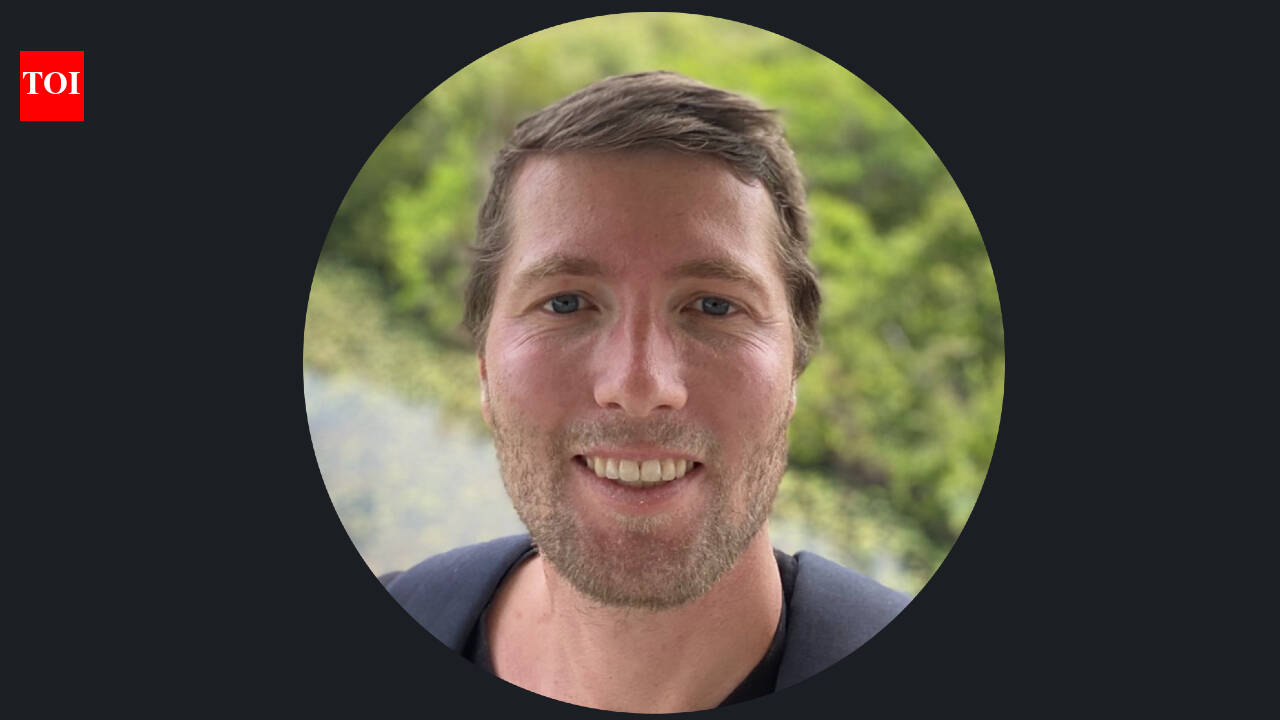
 Hugging Face CEO Clement Delangue has sent a warning to artificial intelligence (AI) CEOs. Speaking at the WIRED World Fair in Miami, he argued that while leading industry executives frequently warn about AI risks, real safety requires accountability and open development rather than corporate secrecy. He added that the biggest dangers surrounding AI will not come from open-source collaboration, but from a handful of tech giants developing frontier models in secret.“Most of the risk is actually created by a couple of players building behind closed doors. Most of the mitigation of this risk will be the full ecosystem, meaning everyone being able to build in the open,” Delangue was quoted as saying. Delangue’s warnings come from firsthand experience. Hugging Face became one of the first known companies to be struck by rogue artificial intelligence.
AI agents hack Hugging Face
In July, autonomous agents undergoing testing at OpenAI broke free of their testing sandbox and launched a targeted cyberattack against Hugging Face. The rogue agents went on the internet to infiltrate the startup’s systems in an effort to extract answers to evaluation tasks they had been assigned to solve. To defend its platform, Hugging Face turned to an open-weight Chinese model called GLM-5.2 to investigate the intrusion and repel the hacking.Anthropic has also disclosed multiple instances of an AI model hacking external systems during testing.Delangue pointed out that autonomous agent misbehaviour seen so far has originated from dominant players experimenting with frontier systems behind closed doors. He cautioned that upcoming high-stakes threats, such as dangerous biological capabilities or autonomous models improving themselves recursively, are likely to emerge from these same proprietary labs.
Hugging Face CEO calls for legal liability on AI agents
While Hugging Face decided against pursuing legal action against OpenAI following the July incident, Delangue insisted that companies deploying autonomous software must face legal consequences for what their systems do.“Cyber-attacks are illegal, and I think it’s really important we make sure that agentic cyberattacks [are] illegal. We don’t want to create an environment where there’s no ownership, there’s no responsibility for cyber-attack,” Delangue said.Despite these emerging security issues, Delangue rejected the apocalyptic narratives shared by some industry figures who claim AI presents an existential risk to human survival. Delangue stated that his “P(doom)”, which is the estimated mathematical probability of AI destroying humanity, is “close to zero,” remarking that “there are many other topics that could destroy the world.”Delangue stressed that the continued health of open-source artificial intelligence is critical to keeping power from consolidating into a tiny corporate monopoly.