
The AI space is so fast-moving that even those with a ringside view of the action are being caught off guard.
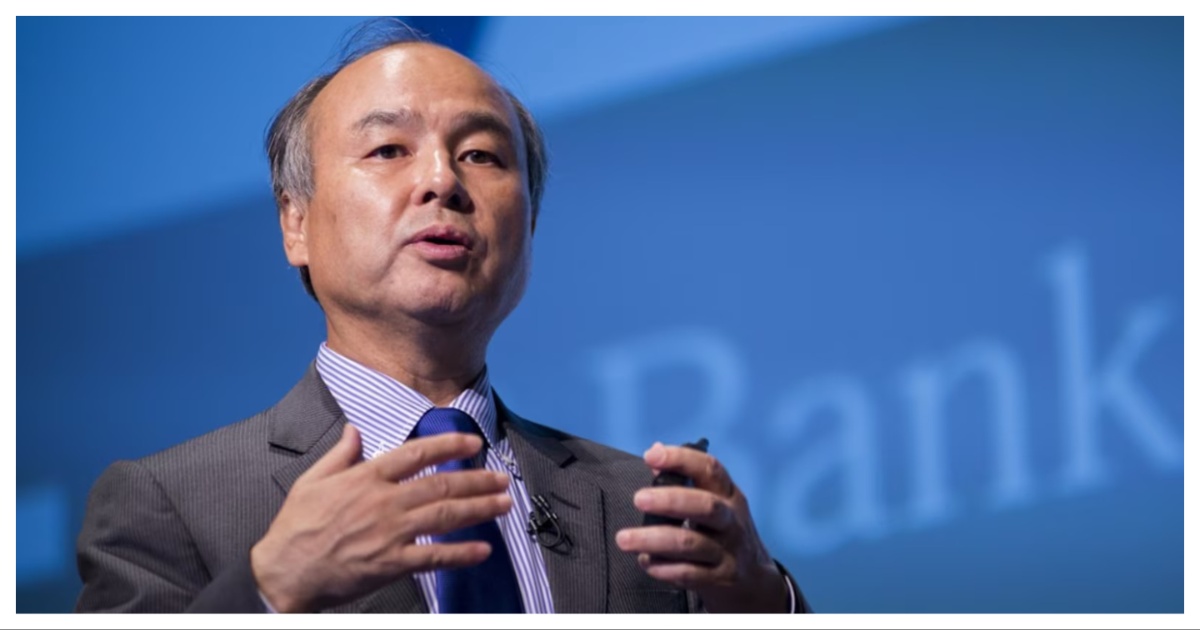
Masayoshi Son’s attempt to corner a critical piece of the AI power supply chain appears to have blown up in spectacular fashion. WSJ reports that SoftBank Group disclosed a $3.7 billion earnings hit this week, driven largely by the cancellation of a huge stockpile of gas turbine reservations the company had built up over the past year — reservations that turned out to be far bigger than SoftBank could ever put to use.
At its peak, SoftBank had locked in more than 13 gigawatts worth of turbine capacity, enough to match the output of over six Hoover Dams combined, and a meaningful slice of the entire world’s turbine manufacturing capacity for the next several years. Most of the hardware was reserved from GE Vernova, currently the dominant player in the gas turbine market, which ships roughly 20 gigawatts of turbines annually worldwide.
 From AI Believer to Power-Market Whale
Son was famously late to the generative AI boom, having sold his early Nvidia stake before it became one of the most lucrative trades in tech history. He made up for lost time in 2025, committing $30 billion to OpenAI, steering SoftBank’s chip unit Arm deeper into data-center silicon, and standing next to President Trump to pledge $500 billion in AI-related investment.
That spending spree eventually ran into a basic engineering bottleneck: building AI data centers at scale requires enormous amounts of electricity, and the turbines needed to generate that power take years to manufacture and have multi-year waitlists. Son’s solution was to reserve an outsized chunk of global turbine supply before anyone else could, giving SoftBank leverage even before it had broken ground on a single gas plant.
That leverage reportedly played directly into SoftBank’s negotiations with Washington over a $33 billion, 9.2-gigawatt gas power plant planned for a former uranium enrichment site in Ohio, part of the broader U.S.-Japan trade framework. SoftBank is set to build and operate the plant, which will feed an adjacent 8-gigawatt data center leased to OpenAI — pitched as the largest data center in the world.
The Order Was Too Big to Use
The problem was scale. Even after fully supplying the Ohio mega-plant and SoftBank’s other planned facilities, the company was still sitting on reservations for far more turbines than it had any project to deploy them on. As additional payments on those contracts came due, SoftBank chose to walk away from the excess, canceling reservations and unwinding some contracts that were already further along in the process.
This is also the backdrop to Elon Musk’s recent claim that SoftBank had defaulted on its turbine orders, posted on social media last week. SoftBank’s CFO Yoshimitsu Goto pushed back directly on that characterization during the company’s earnings call, insisting the unwound orders do not amount to a default. GE Vernova, for its part, said the changes had no negative or positive financial impact on the company.
A Broader Pullback
The turbine losses land at a difficult moment for SoftBank. Since June, when it briefly overtook Toyota as Japan’s most valuable company, its stock has fallen more than 55%, wiping out over $160 billion in market value. Investor anxiety over SoftBank’s rising debt load has pushed up borrowing costs, with the company recently pricing bonds at a 9.75% interest rate. Its data-center subsidiary, SB Energy, has also delayed a planned public listing given the shaky market backdrop.
Goto signaled Tuesday that SoftBank is dialing back its aggressive, debt-fueled expansion strategy, telling reporters the company needs to “balance between gas and brake” rather than stay purely on offense.
The episode captures a wider unease spreading across the AI infrastructure boom: spending on data centers and power generation, measured as a share of GDP, is now on pace to exceed the railroad building frenzy of the 1800s — a boom that eventually left investors with heavy losses once the hype outran the economics.