
lun·ar de·vel·op·ment
noun
1 . the construction of private settlements, factories and data centers on the moon, funded in part by public money
Sign up for our weekend newsletter
A weekly digest of our best coverage
Why is everyone suddenly going to the moon?
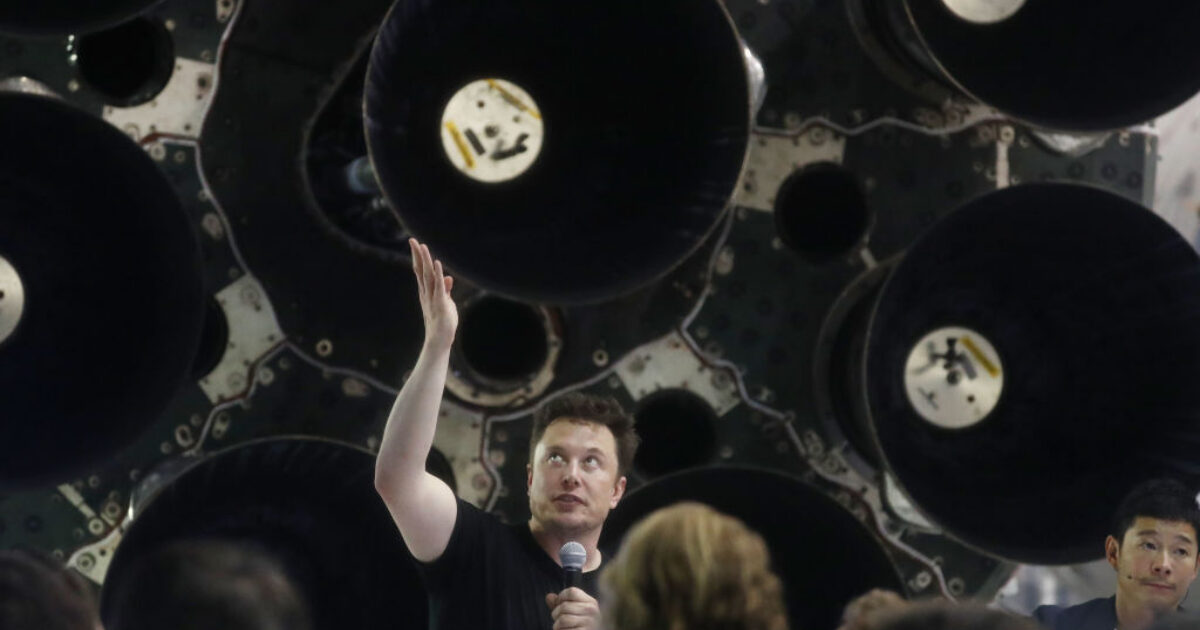
Last year, Elon Musk called the moon a distraction; this year he’s promising a “self-growing city” there. What changed, as best as anyone can tell, was the business case. A Martian city could take more than six months to reach, while the moon is just a few days away, which is practically a commute for a wealthy man with an exit strategy. Jeff Bezos, meanwhile, suspended his space tourism business to focus on a lunar lander, then answered Musk’s moon posts with a picture of a tortoise. Slow and steady wins the race to abandon the planet.
The richest men in history have spent decades telling us the future is offworld, and who are we to stand in the way of people who’ve worked so hard to leave?
Who’s paying for it?
We are. SpaceX and Blue Origin are building their lunar landers with billions of dollars in NASA funding. We aren’t just waving goodbye from the dock; we’re buying the tickets, packing the bags and keeping the light on in the house they’re leaving. When you’ve decided the future doesn’t have room for everyone, you start building a bunker for the few. Even the AI satellites could get a lunar launchpad, so at least the data centers will have a future on the moon.
Sounds like a lot of work.
A self-growing city needs people to pour the concrete, stock the shelves and sort the packages. Luckily, the moon offers everything the modern employer craves: no inspectors, no local press and no air that isn’t the company’s. Safety complaint? Take it up with the vacuum.
Should we care?
Let them go. Truly, bon voyage. But if public money is buying the rockets, the public should set the terms: labor protections for anyone who works up there, public ownership of whatever gets built with our dollars and no oxygen subscription tiers.
Better still, we could spend those billions on the planet that already has air, water and people and whose residents, unlike passengers, are not planning to leave. The moon will still be there when the billionaires get bored. So will we.
This is part of “The Big Idea,” a monthly series offering brief introductions to progressive theories, policies, tools and strategies that can help us envision a world beyond capitalism.