
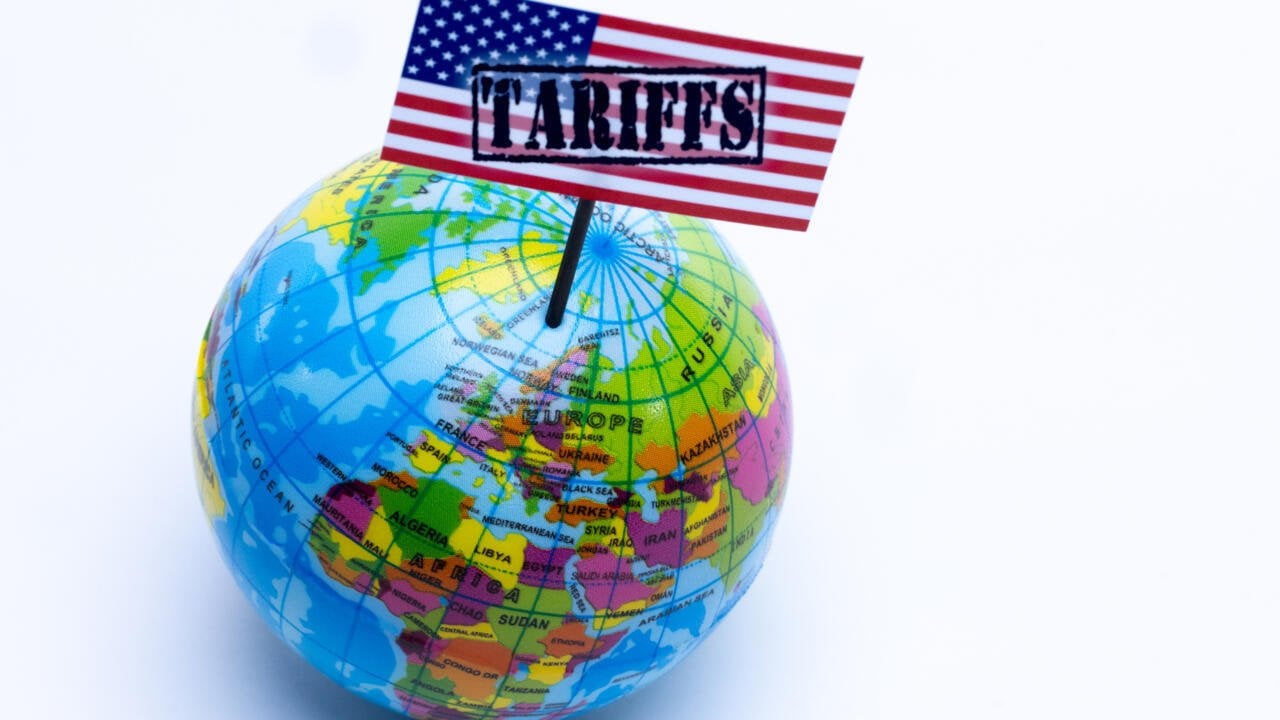
When the US president unleashed his crippling "Liberation Day" tariffs on April 2, EU chief Ursula von der Leyen gave her first reaction, not in Brussels, but from Uzbekistan where she was in talks to bolster trade ties with Central Asia.
Although Trump has since rowed back with a 90-day pause, the European Union still faces tariffs of 10 percent on a vast majority of goods and higher on steel, aluminium and cars — with an uphill challenge to negotiate a way out of the standoff.
Faced with Trump's disruptive protectionism, Brussels is pulling out the stops to salvage its 1.6 trillion euro ($1.8 trillion) relationship with Europe's main trade partner the United States. But it is also trumpeting its mission to cultivate trade ties elsewhere.
The following day China openly urged Europe to join forces — as Beijing wages a trade war with the United States with tit-for-tat levies — but while there are opportunities in the relationship, the path is also fraught with peril.
The bloc made a show of agreeing to strengthen trade ties with Mexico days before Trump was sworn in, and reopened commerce negotiations with Malaysia on his inauguration day.
Then in February and March, the EU's top officials met leaders of India and South Africa for talks on topics including trade, while actively pursuing closer Canada ties.
This week alone, the EU agreed to launch talks for a free trade deal with the United Arab Emirates and confirmed a high-level summit in China in July, hot on the heels of a meeting in Japan.
And top EU officials will meet with Latin American and Caribbean states in November, with trade high on the agenda.
But before the EU starts striking new trade deals, the European Commission has previous agreements to get past member states including the Mercosur accord clinched in December.
Posted by John3262005