
I’ve written a longform post exploring why politics in the US and UK so often feels stuck—even when there’s broad agreement that things like housing, education, and healthcare need fixing.
The piece looks at how structural forces—like aging populations, cost pressures in key sectors, electoral design, and entrenched middle-class interests—interact in ways that constrain reform and lock in the status quo.
Topics include:
- How demographic aging raises entitlement costs and shifts political incentives
- Why immigration (which could ease fiscal pressure) is often politically toxic, especially among older voters
- How future-oriented spending—on research, mental health, infrastructure—gets crowded out
- The role of housing restrictions, occupational licensing, and professional rent-seeking in driving stagnation
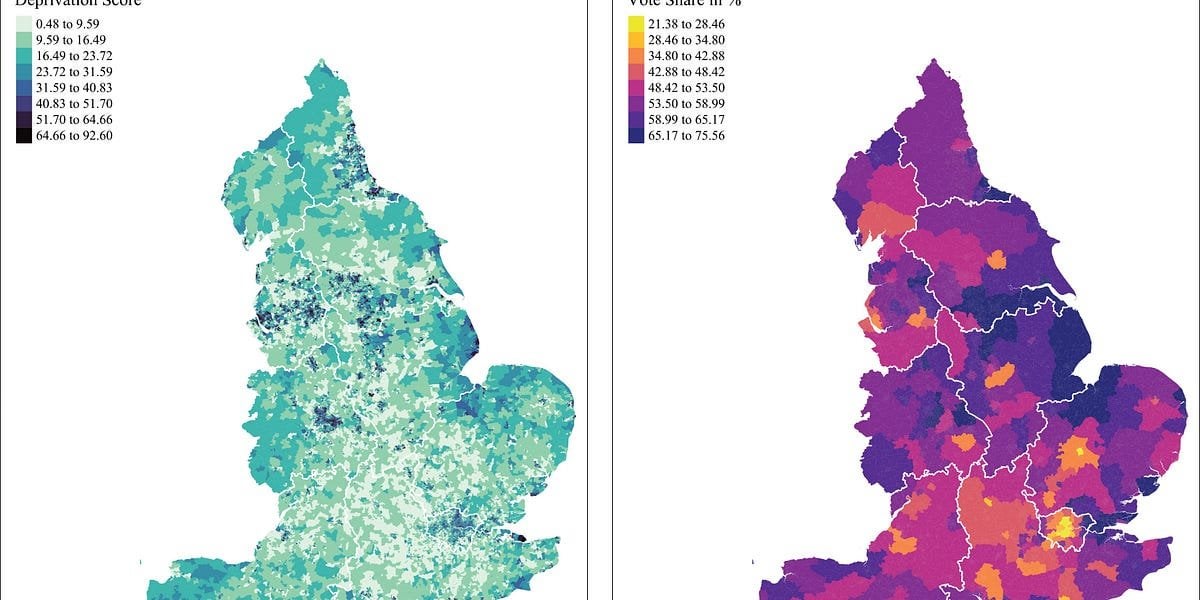
- How geographic inequality and electoral systems amplify the power of shrinking regions
- Why cost disease and declining R&D productivity make even good policy harder to fund or deliver
- How two-party systems and place-based representation distort incentives and reinforce gridlock
In many ways I’m just trying to synthesize what feels like a broad neoliberal-twitter consensus—but I’d love feedback on where it’s wrong or incomplete.
Posted by VankousFrost