
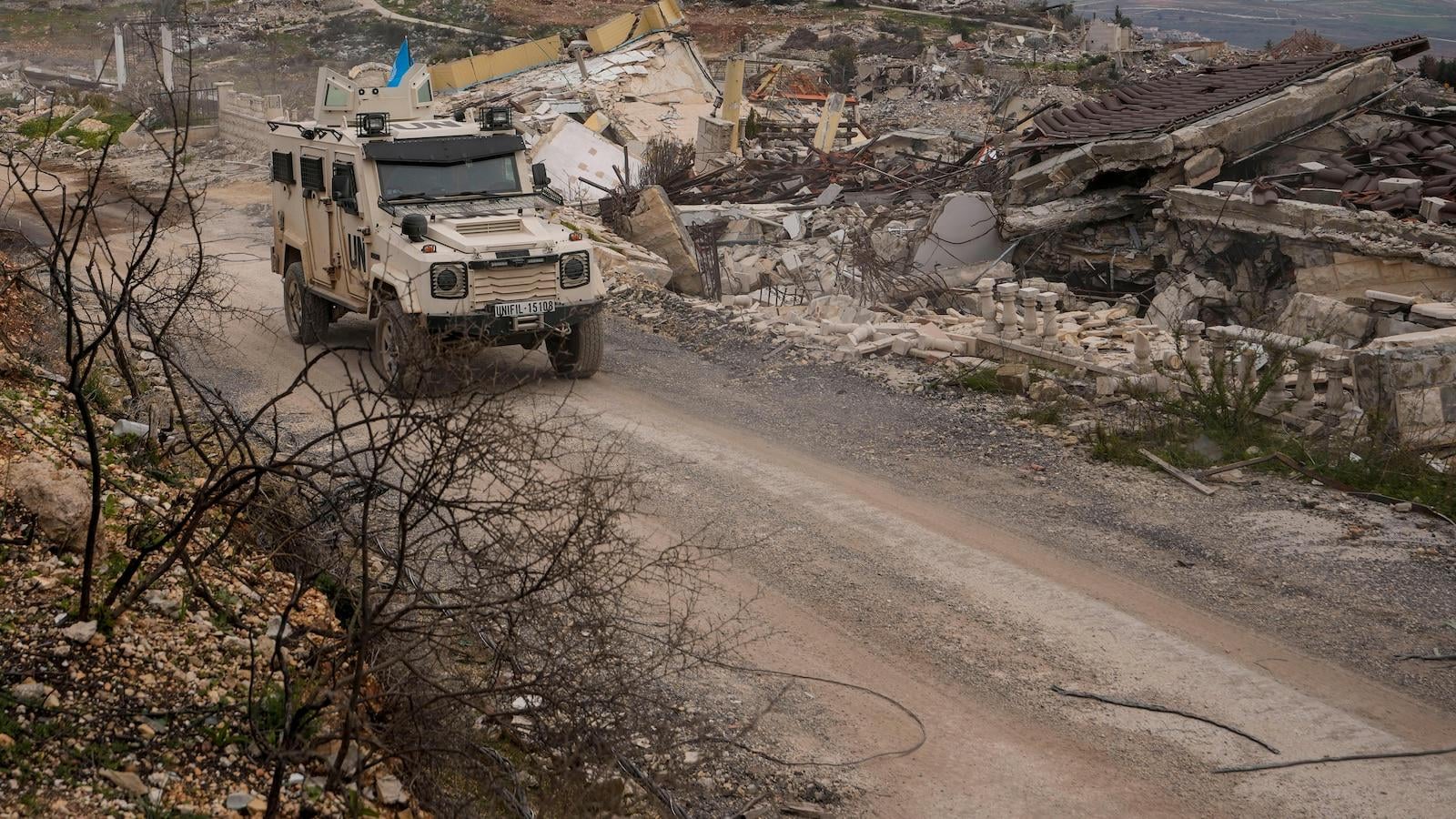
The future of U.N. peacekeepers in Lebanon has split the United States and its European allies, raising implications for security in the Middle East and becoming the latest snag to vex relations between the U.S. and key partners like France, Britain and Italy.
At issue is the peacekeeping operation known as UNIFIL, whose mandate expires at the end of August and will need to be renewed by the U.N. Security Council to continue. It was created to oversee the withdrawal of Israeli troops from southern Lebanon after Israel’s 1978 invasion, and its mission was expanded following the monthlong 2006 war between Israel and the militant group Hezbollah.
The multinational force has played a significant role in monitoring the security situation in southern Lebanon for decades, including during the Israel-Hezbollah war last year, but has drawn criticism from both sides and numerous U.S. lawmakers, some of whom now hold prominent roles in President Donald Trump’s administration or wield new influence with the White House.
Trump administration political appointees came into office this year with the aim of shutting down UNIFIL as soon as possible. They regard the operation as an ineffectual waste of money that is merely delaying the goal of eliminating Hezbollah’s influence and restoring full security control to the Lebanese Armed Forces that the government says it is not yet capable of doing.
After securing major cuts in U.S. funding to the peacekeeping force, Secretary of State Marco Rubio signed off early last week on a plan that would wind down and end UNIFIL in the next six months, according to Trump administration officials and congressional aides familiar with the discussions.
Europeans push back against a quick end to UN peacekeeping in Lebanon. Israel has for years sought an end to UNIFIL’s mandate, and renewal votes have often come after weeks of political wrangling. Now, the stakes are particularly high after last year’s war and more vigorous opposition in Washington.
European nations, notably France and Italy, have objected to winding down UNIFIL. With the support of Tom Barrack, U.S. ambassador to Turkey and envoy to Lebanon, they successfully lobbied Rubio and others to support a one-year extension of the peacekeeping mandate followed by a time-certain wind-down period of six months, according to the administration officials and congressional aides, who spoke on condition of anonymity to discuss private diplomatic negotiations.
Posted by John3262005