Very interesting passage here:
>a discussion on the scope and sustainability of the “European model” seems unavoidable. Although Europe does not share a single social and economic model, there are some recurring features, including relatively large governments, generous and comprehensive welfare programs with extensive social protection and redistribution, universal health care, and free or very affordable education. These features have played a critical role in supporting economic growth, social cohesion, and long-term stability in the post-World War II period. The European model now faces a sustainability challenge, with governments having to make tough decisions between competing needs. Addressing one key priority might have to come at the expense of others. A useful approach to achieve this prioritization can be to differentiate between basic and premium services across sectors such as health, education, pensions, and social protection. The package of basic services could remain publicly funded and free at the point of use, but premium services may need to be financed privately by individuals, especially those on higher incomes.
>Failing to act promptly will only exacerbate the problem. The longer that reforms and consolidation are delayed, the more spending pressures will worsen the fiscal position, causing debt to accumulate faster and borrowing costs to rise. This will raise future adjustment needs and make it more likely that the market would eventually force the adjustment that could be disorderly and not reflective of public preferences. To illustrate this point, we replicate the previous results but delay the implementation of the policy package (“moderate” reforms and consolidation) by five years. This would raise the average amount of medium-term consolidation required from ¾ percent of GDP per year to over 1 percent of GDP per year, with tough decisions about the perimeter of the state becoming unavoidable even
for the average country.
>The “muddling-through” approach that many countries have adopted so far is reaching its limits, and a more strategic response seems essential to respond to rising spending pressures. Reforms, fiscal consolidation, and more fundamental changes to the role of government can all be politically challenging and face public resistance. Making changes in a piecemeal way, or tinkering at the margins, is likely to be inadequate given the necessary adjustment, while creating further distortions, confusing the public, and causing reform fatigue. Spending could become increasingly skewed to particular groups—notably, elderly individuals—at the expense of others, and services would deteriorate with budget pressures. A better approach is to pursue a comprehensive and decisive policy response, which will ensure that the public services most valued by the population are protected for generations to come and financed in a sustainable way.
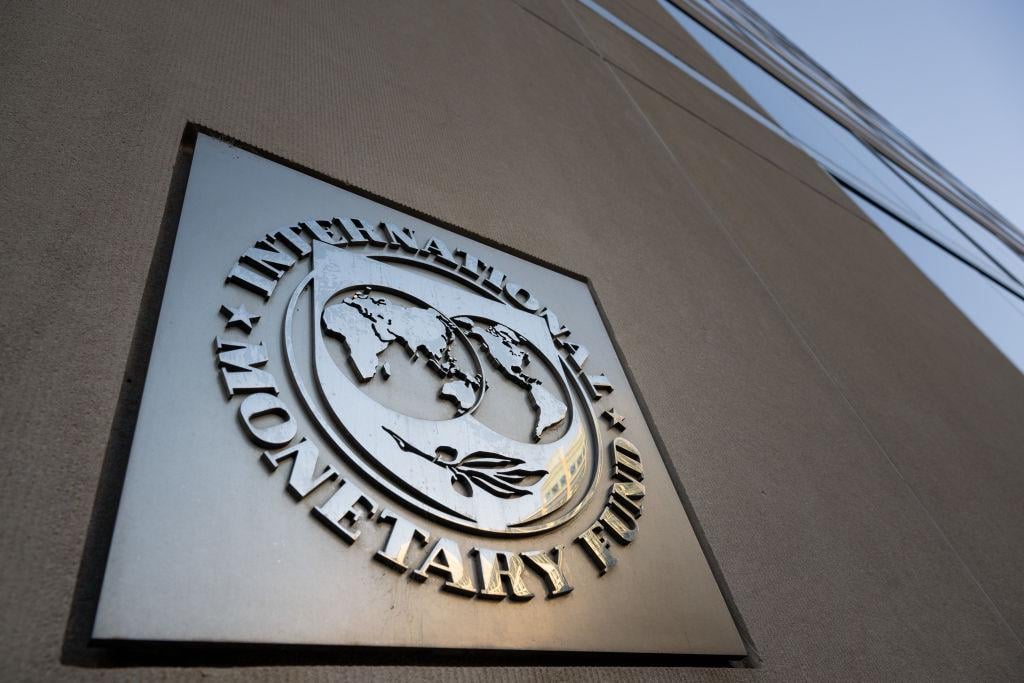
The IMF has finally commented on “late-stage social democracy”
EScforlyfe on
Feels pretty unlucky to be a Swede and have our finances in order just for our allies to fuck up like this
ldn6 on
I struggle with how to deal with this.
Most Europeans have spent the post-financial crisis era having undergone some form of austerity and subsequent slower growth. Asking them to now put up with even more of that isn’t justifiable in my view. At the same time, continuing to funnel more money towards the richest and least-productive segment of society is unconscionable.
bd_one on
Why don’t they just sign the social contract with their left hand?

4 Comments
IMF note: https://www.imf.org/en/Publications/IMF-Notes/Issues/2025/11/04/How-Can-Europe-Pay-for-Things-That-It-Can-t-Afford-571439
Very interesting passage here:
>a discussion on the scope and sustainability of the “European model” seems unavoidable. Although Europe does not share a single social and economic model, there are some recurring features, including relatively large governments, generous and comprehensive welfare programs with extensive social protection and redistribution, universal health care, and free or very affordable education. These features have played a critical role in supporting economic growth, social cohesion, and long-term stability in the post-World War II period. The European model now faces a sustainability challenge, with governments having to make tough decisions between competing needs. Addressing one key priority might have to come at the expense of others. A useful approach to achieve this prioritization can be to differentiate between basic and premium services across sectors such as health, education, pensions, and social protection. The package of basic services could remain publicly funded and free at the point of use, but premium services may need to be financed privately by individuals, especially those on higher incomes.
>Failing to act promptly will only exacerbate the problem. The longer that reforms and consolidation are delayed, the more spending pressures will worsen the fiscal position, causing debt to accumulate faster and borrowing costs to rise. This will raise future adjustment needs and make it more likely that the market would eventually force the adjustment that could be disorderly and not reflective of public preferences. To illustrate this point, we replicate the previous results but delay the implementation of the policy package (“moderate” reforms and consolidation) by five years. This would raise the average amount of medium-term consolidation required from ¾ percent of GDP per year to over 1 percent of GDP per year, with tough decisions about the perimeter of the state becoming unavoidable even
for the average country.
>The “muddling-through” approach that many countries have adopted so far is reaching its limits, and a more strategic response seems essential to respond to rising spending pressures. Reforms, fiscal consolidation, and more fundamental changes to the role of government can all be politically challenging and face public resistance. Making changes in a piecemeal way, or tinkering at the margins, is likely to be inadequate given the necessary adjustment, while creating further distortions, confusing the public, and causing reform fatigue. Spending could become increasingly skewed to particular groups—notably, elderly individuals—at the expense of others, and services would deteriorate with budget pressures. A better approach is to pursue a comprehensive and decisive policy response, which will ensure that the public services most valued by the population are protected for generations to come and financed in a sustainable way.
The IMF has finally commented on “late-stage social democracy”
Feels pretty unlucky to be a Swede and have our finances in order just for our allies to fuck up like this
I struggle with how to deal with this.
Most Europeans have spent the post-financial crisis era having undergone some form of austerity and subsequent slower growth. Asking them to now put up with even more of that isn’t justifiable in my view. At the same time, continuing to funnel more money towards the richest and least-productive segment of society is unconscionable.
Why don’t they just sign the social contract with their left hand?