
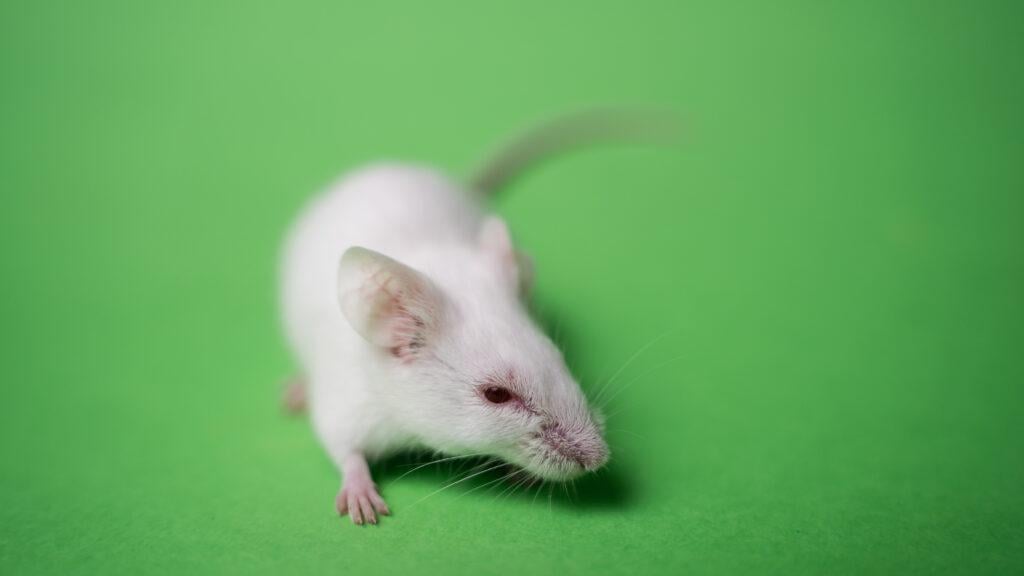
The U.K. on Tuesday outlined its plan to expedite the phasing out of animal testing in research, reflecting the push by a number of countries, including the U.S., to move beyond animal experiments even as some scientists stress the continued importance of such work.
Under the government’s plan, issued by Science Minister Patrick Vallance, certain kinds of experiments will be halted within the next two years, and the use of dogs and monkeys in tests of human medicines will be reduced by 2030.
The move away from animal research comes as scientists take advantage of cutting-edge technologies that advocates say can reduce the need for animal testing, including lab-grown organoids made up of human cells, organs-on-a-chip, and computational models that, with the help of AI, can digest massive amounts of data to predict what compounds will be safe and effective in people. Collectively, these are known as new approach methodologies, or NAMs.
Specifically, the government’s plan calls for the end of a type of animal test used to assess whether a new treatment could cause skin or eye irritation by the end of 2026. The following year, scientists will be expected to move tests for detecting viruses and bacteria that can contaminate medicines to DNA-based methods.
Government officials have acknowledged they don’t envision a complete elimination of animal research any time soon, but the new policy is an effort to push forward on the progress toward reducing the use of animals. The road map notes that “phasing out the use of animals in science can only happen where reliable and effective alternative methods, with the same level of safety for human exposure, can replace them.”
The plan includes 60 million pounds (nearly $79 million) to support the development and validation of new alternate methods.
The U.S., under the Trump administration, has also moved to promote the use of NAMs, with agencies including the Food and Drug Administration and the National Institutes of Health describing their efforts to minimize the use of animals. The E.U., meanwhile, is working on its own road map.
Posted by John3262005
2 Comments
Virtual cell stuff seems promising, and I’m glad they are pursuing it, but I really don’t see why this is tied with a need to curb animal testing.
Targeting animal testing just seems ridiculous to me when animal farming is still a thing.
Has the science on alternatives come to the point of replacement? That seems premature but I’m not particularly in-the-know
Though I assume “certain kinds of experiments” and encouraging specific switches is probably evidence based somewhere in there and not an outright ban like you could more easily get away with for e.g. cosmetics