> The International Labour Organization is considering moving its Middle East headquarters to Doha, alarming staff who question whether the UN body can protect its independence in a monarchy where rights groups allege migrant workers have regularly been exploited. The UN workers’ rights agency sets international labour standards and supports trade unions, running regional programmes from Beirut. But the proposed move comes as it rushes to reform and save costs, with countries — especially the US, historically the UN’s biggest donor — slashing aid funding and shaking the multilateral system. Among cost-cutting proposals the ILO’s governing body will discuss this month is to relocate its “Regional Office for the Arab States” from Lebanon’s capital to the 2022 men’s World Cup host Doha, with estimated savings of $500,000 for 2026-27. The ILO’s review cited “support from host government”, better access to Gulf resources and “persistent instability in Lebanon” as reasons.
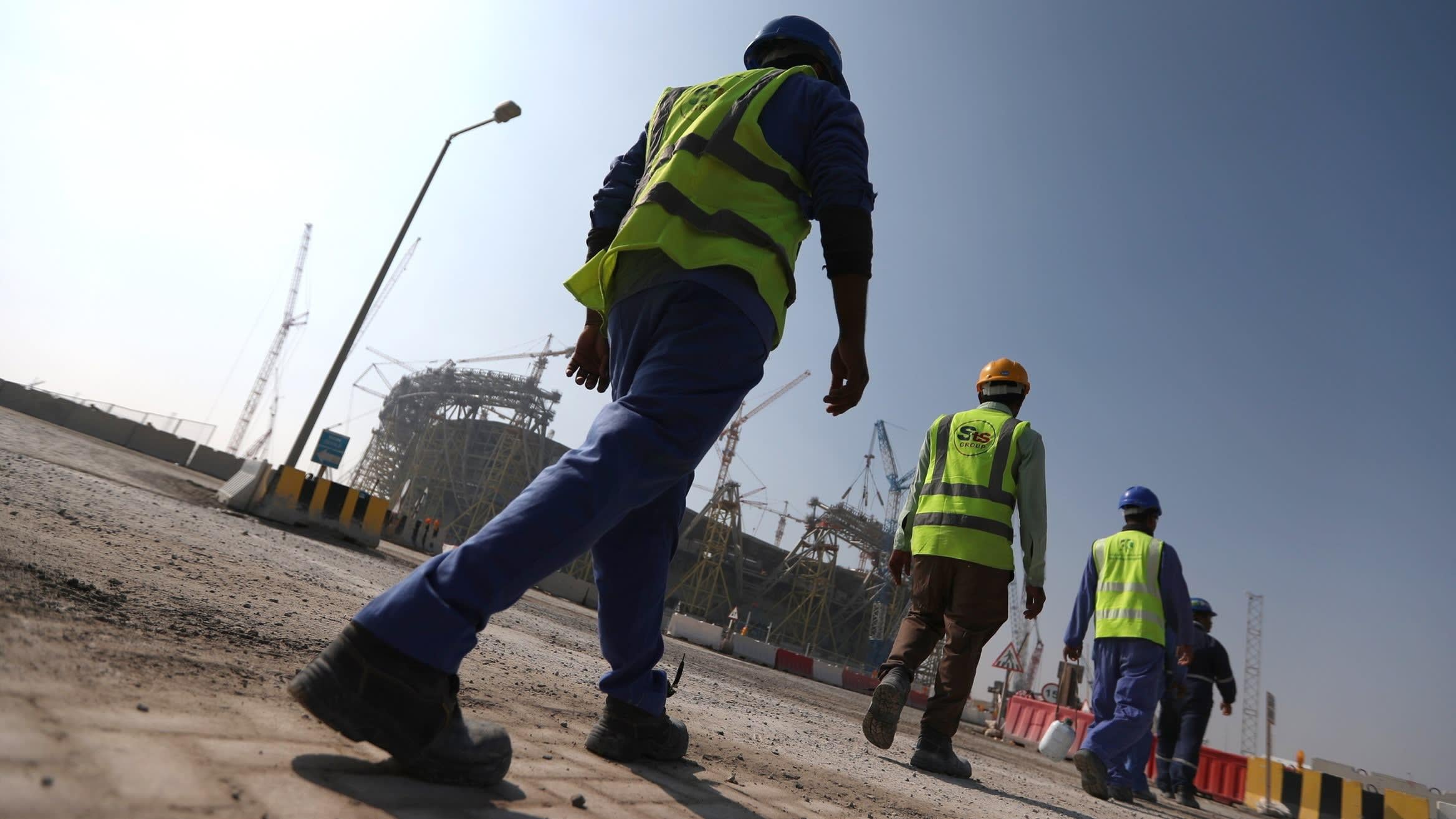
> But staff worry about the potential impact the move would have on the agency’s work while making limited cost savings. A resolution by the ILO’s regional staff union, which was supported by nearly 80 per cent of the 70 members surveyed, asked for “genuine consultations”. It warned that “relocation risks sending mixed signals to constituents and normalising weak labour standards in a region dominated by migrant workers with limited effective rights”. Gulf states have poor rights records, and Qatar — which bans trade unions — faced global scrutiny over the treatment of construction workers for the World Cup.
> While Lebanon, too, has been criticised for allowing mistreatment of migrant workers, one Beirut employee said government oversight made it difficult to work in Qatar, adding they feared “the ILO [would be] compromising its mandate” by moving. “If you want to meet workers it has to be authorised by the government,” they said, adding that researchers would feel unsafe publishing reports critical of Gulf states while living there. “Forcing the entire region to suffer from these challenges makes no sense,” said a second Beirut staff member. They felt there were no “solid justifications for the move”, and worried that being based in the Gulf “could pose serious risks to the independence of the ILO staff”.
> In a statement, the ILO said the “comprehensive review” aimed to make the organisation “leaner, more agile, more resilient, and more impactful” in a “changing multilateral environment”. It added that being present in a country “provides a unique opportunity to influence national agenda on labour standards and social justice”. A Qatari official said Qatar “expressed its openness to hosting the ILO’s regional office in Doha” after the ILO’s director-general started a “conversation” on the subject. Though Qatar’s labour minister Ali bin Samikh Al Marri presided over ILO’s International Labour Conference in 2023, the state has only ratified five out of 10 of the ILO’s fundamental conventions, one of the lowest counts in the Gulf.
> James Lynch, founding co-director at human rights group FairSquare, said migrant labourers in Qatar had faced “illegal recruitment fees . . . harsh conditions on construction sites including extreme heat, low pay, and difficulty switching jobs in the event of abuse”. Qatar joined the ILO in 1972 and the agency opened a project office in Doha to help with labour reforms seven years ago, after international trade unions complained Qatar was failing to protect migrant workers. The Qatari official said the country had for more than a decade “consulted and co-ordinated extensively with global partners, including the ILO, governments, trade unions, and NGOs, to implement a fair and effective labour system in line with the highest international standards”.
> Qatar has made changes to its employment laws, including dismantling an employee sponsorship system known as “kafala”, which was widely blamed for enabling forced labour. The reforms had triggered “optimism that Qatar could be a transformative case study in how to overhaul a repressive and exploitative migrant labour system”, Lynch said, but implementation had “been disappointing”. The Qatari official said the reforms had benefited “hundreds of thousands” of workers. The ILO said it kept staff informed of developments and was speaking with their union.

1 Comment
> The International Labour Organization is considering moving its Middle East headquarters to Doha, alarming staff who question whether the UN body can protect its independence in a monarchy where rights groups allege migrant workers have regularly been exploited. The UN workers’ rights agency sets international labour standards and supports trade unions, running regional programmes from Beirut. But the proposed move comes as it rushes to reform and save costs, with countries — especially the US, historically the UN’s biggest donor — slashing aid funding and shaking the multilateral system. Among cost-cutting proposals the ILO’s governing body will discuss this month is to relocate its “Regional Office for the Arab States” from Lebanon’s capital to the 2022 men’s World Cup host Doha, with estimated savings of $500,000 for 2026-27. The ILO’s review cited “support from host government”, better access to Gulf resources and “persistent instability in Lebanon” as reasons.
> But staff worry about the potential impact the move would have on the agency’s work while making limited cost savings. A resolution by the ILO’s regional staff union, which was supported by nearly 80 per cent of the 70 members surveyed, asked for “genuine consultations”. It warned that “relocation risks sending mixed signals to constituents and normalising weak labour standards in a region dominated by migrant workers with limited effective rights”. Gulf states have poor rights records, and Qatar — which bans trade unions — faced global scrutiny over the treatment of construction workers for the World Cup.
> While Lebanon, too, has been criticised for allowing mistreatment of migrant workers, one Beirut employee said government oversight made it difficult to work in Qatar, adding they feared “the ILO [would be] compromising its mandate” by moving. “If you want to meet workers it has to be authorised by the government,” they said, adding that researchers would feel unsafe publishing reports critical of Gulf states while living there. “Forcing the entire region to suffer from these challenges makes no sense,” said a second Beirut staff member. They felt there were no “solid justifications for the move”, and worried that being based in the Gulf “could pose serious risks to the independence of the ILO staff”.
> In a statement, the ILO said the “comprehensive review” aimed to make the organisation “leaner, more agile, more resilient, and more impactful” in a “changing multilateral environment”. It added that being present in a country “provides a unique opportunity to influence national agenda on labour standards and social justice”. A Qatari official said Qatar “expressed its openness to hosting the ILO’s regional office in Doha” after the ILO’s director-general started a “conversation” on the subject. Though Qatar’s labour minister Ali bin Samikh Al Marri presided over ILO’s International Labour Conference in 2023, the state has only ratified five out of 10 of the ILO’s fundamental conventions, one of the lowest counts in the Gulf.
> James Lynch, founding co-director at human rights group FairSquare, said migrant labourers in Qatar had faced “illegal recruitment fees . . . harsh conditions on construction sites including extreme heat, low pay, and difficulty switching jobs in the event of abuse”. Qatar joined the ILO in 1972 and the agency opened a project office in Doha to help with labour reforms seven years ago, after international trade unions complained Qatar was failing to protect migrant workers. The Qatari official said the country had for more than a decade “consulted and co-ordinated extensively with global partners, including the ILO, governments, trade unions, and NGOs, to implement a fair and effective labour system in line with the highest international standards”.
> Qatar has made changes to its employment laws, including dismantling an employee sponsorship system known as “kafala”, which was widely blamed for enabling forced labour. The reforms had triggered “optimism that Qatar could be a transformative case study in how to overhaul a repressive and exploitative migrant labour system”, Lynch said, but implementation had “been disappointing”. The Qatari official said the reforms had benefited “hundreds of thousands” of workers. The ILO said it kept staff informed of developments and was speaking with their union.