As someone ignorant of the comprehensive history of Yemen. Why is there a South Yemen Independence movement when the division of Yemen was a Cold War relic?
Is there something cultural different to South Yemen over North Yemen apart from “Communism” which the separatists are not interested in?
Also if this offensive ends in success it may lead to a weird detente where both the Houthis and the STC are happy with governing their chunk of Yemen and honestly if that happens I don’t think they will leave without foreign intervention.
Flashy_Upstairs9004 on
At this point it is clear the Houthis are not being toppled anytime soon, best to make it so they only take half of Yemen and not all of it.
RaidBrimnes on
!ping MIDDLE-EAST
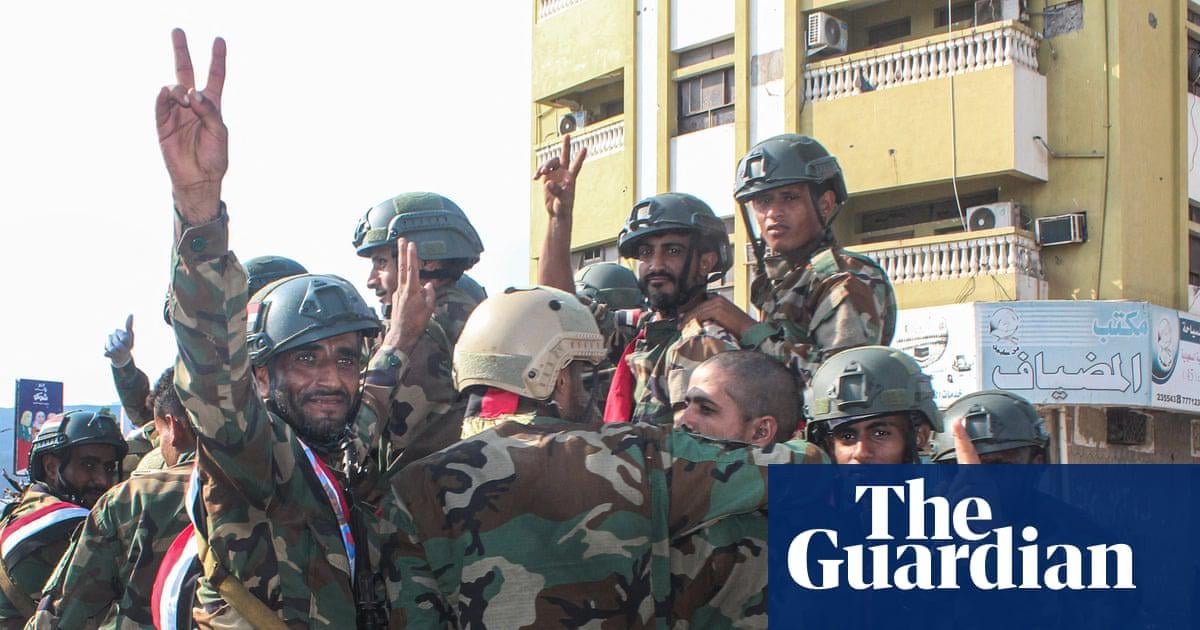
The separatist forces of the Southern Transition Council (STC) have seized power in the southern Yemen regions nominally under the control of the internationally recognized government of the Presidential Leadership Council (PLC) led by President al-Alimi, claiming that members of the PLC and their Saudi allies have evacuated the country.
The STC’s seizure of power represents a major shift in the war-torn Middle Eastern country, which has been effectively split in half since the onset of the civil war in 2014, when Iran-backed Houthi forces launched an offensive against the post-revolution government and captured most of Yemen’s north, including the capital Sana’a.
More than 400,000 Yemenis have been killed and millions have been subjected to starvation, displacement and epidemics in one of the world’s most severe humanitarian crises over the course of the war, which saw direct intervention by Saudi Arabia in support of the internationally recognized government, Iranian involvement on the side of the Houthi, Houthi strikes against commercial ships in the Red Sea in support of Hamas, and US-UK strikes against Houthi infrastructure in response.
Since the onset of the civil war, the internationally recognized government in Aden experienced growing dissent between unitary factions, backed by Saudi Arabia, who aimed to reconquer the north from the Houthi, and separatist factions, backed by the United Arab Emirates, who say the Houthi can’t be dislodged from the north and aim to secede the south into a new state along the lines of the defunct South Yemen, which united with North Yemen in 1990. Both factions were in a power-sharing agreement within the PLC, but growing fault lines exploded again this year on the strategy to adopt against the Houthi.
The seizure of power by separatists represents a major setback for Saudi Arabia, which had spent billions in supporting the Aden government over the past decade, and a victory for the UAE, with speculations that they encouraged the separatist offensive as a reprisal for Saudi Arabia pressuing the US to end the war in Sudan, where the UAE have signifcant stakes in backing the Rapid Support Forces – who also fought in Yemen against the Houthi prior to the Sudanese Civil War.

3 Comments
As someone ignorant of the comprehensive history of Yemen. Why is there a South Yemen Independence movement when the division of Yemen was a Cold War relic?
Is there something cultural different to South Yemen over North Yemen apart from “Communism” which the separatists are not interested in?
Also if this offensive ends in success it may lead to a weird detente where both the Houthis and the STC are happy with governing their chunk of Yemen and honestly if that happens I don’t think they will leave without foreign intervention.
At this point it is clear the Houthis are not being toppled anytime soon, best to make it so they only take half of Yemen and not all of it.
!ping MIDDLE-EAST
The separatist forces of the Southern Transition Council (STC) have seized power in the southern Yemen regions nominally under the control of the internationally recognized government of the Presidential Leadership Council (PLC) led by President al-Alimi, claiming that members of the PLC and their Saudi allies have evacuated the country.
The STC’s seizure of power represents a major shift in the war-torn Middle Eastern country, which has been effectively split in half since the onset of the civil war in 2014, when Iran-backed Houthi forces launched an offensive against the post-revolution government and captured most of Yemen’s north, including the capital Sana’a.
More than 400,000 Yemenis have been killed and millions have been subjected to starvation, displacement and epidemics in one of the world’s most severe humanitarian crises over the course of the war, which saw direct intervention by Saudi Arabia in support of the internationally recognized government, Iranian involvement on the side of the Houthi, Houthi strikes against commercial ships in the Red Sea in support of Hamas, and US-UK strikes against Houthi infrastructure in response.
Since the onset of the civil war, the internationally recognized government in Aden experienced growing dissent between unitary factions, backed by Saudi Arabia, who aimed to reconquer the north from the Houthi, and separatist factions, backed by the United Arab Emirates, who say the Houthi can’t be dislodged from the north and aim to secede the south into a new state along the lines of the defunct South Yemen, which united with North Yemen in 1990. Both factions were in a power-sharing agreement within the PLC, but growing fault lines exploded again this year on the strategy to adopt against the Houthi.
The seizure of power by separatists represents a major setback for Saudi Arabia, which had spent billions in supporting the Aden government over the past decade, and a victory for the UAE, with speculations that they encouraged the separatist offensive as a reprisal for Saudi Arabia pressuing the US to end the war in Sudan, where the UAE have signifcant stakes in backing the Rapid Support Forces – who also fought in Yemen against the Houthi prior to the Sudanese Civil War.