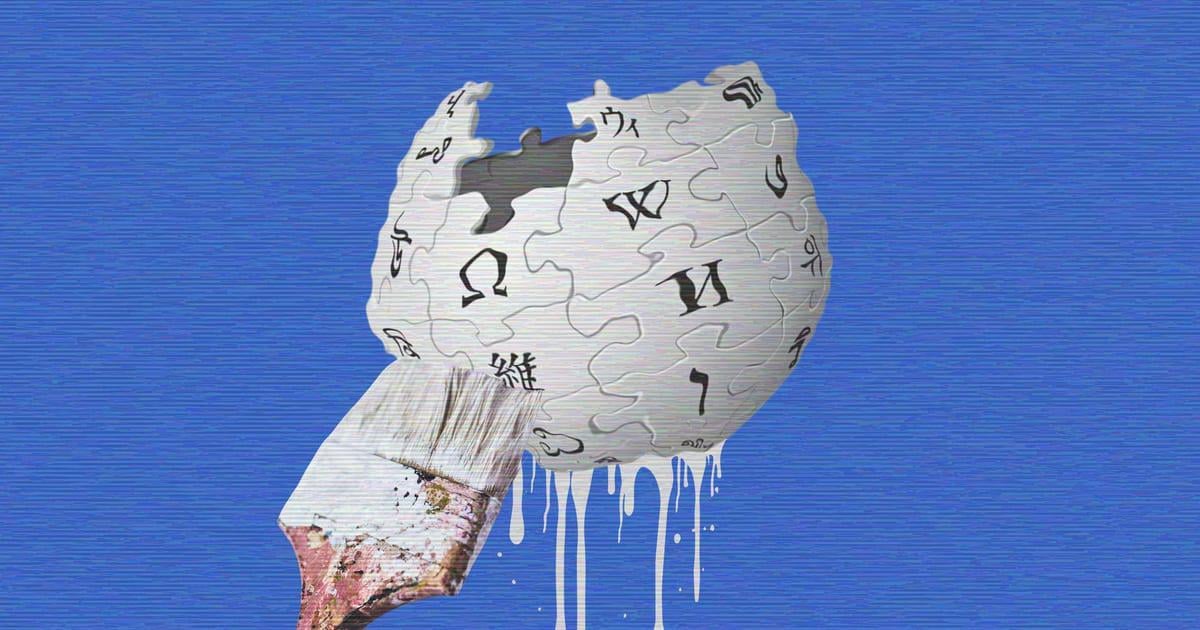
Essentially, this is a story about how the ‘market’ for reputation management is encroaching upon what we consider to be a public knowledge commons. When governments, billionaires and large foundations can secretly purchase changes to Wikipedia, it indicates a combination of lax regulation, powerful private incentives and a reliance on informal institutional safeguards, such as Wikimedia norms and unpaid editors, rather than formal governance. It also serves as a reminder that AI systems, which depend heavily on Wikipedia, are integrated into an information ecosystem where power and money can covertly influence what constitutes “neutral” knowledge.
The power dynamic stands out to me: wealthy individuals can pay professionals and intermediaries to manipulate the system for years, while unpaid volunteers play whack-a-mole to clean it up. A key question is whether we are comfortable leaving this to self-regulation and scattered lawsuits, or whether there should be explicit laws and enforcement around undisclosed paid editing and information laundering. You should focus less on specific individuals and more on the pattern: reputational markets are creeping into core information infrastructure with almost no democratic oversight of who gets to rewrite the record.
There was some page on a particular billionaire that I believe is now dead, but Jimmy wales weighed in on the controversy regarding his page. Something about molestation of a minor relative and wales refused to allow it in.

4 Comments
Submission statement:
Essentially, this is a story about how the ‘market’ for reputation management is encroaching upon what we consider to be a public knowledge commons. When governments, billionaires and large foundations can secretly purchase changes to Wikipedia, it indicates a combination of lax regulation, powerful private incentives and a reliance on informal institutional safeguards, such as Wikimedia norms and unpaid editors, rather than formal governance. It also serves as a reminder that AI systems, which depend heavily on Wikipedia, are integrated into an information ecosystem where power and money can covertly influence what constitutes “neutral” knowledge.
The power dynamic stands out to me: wealthy individuals can pay professionals and intermediaries to manipulate the system for years, while unpaid volunteers play whack-a-mole to clean it up. A key question is whether we are comfortable leaving this to self-regulation and scattered lawsuits, or whether there should be explicit laws and enforcement around undisclosed paid editing and information laundering. You should focus less on specific individuals and more on the pattern: reputational markets are creeping into core information infrastructure with almost no democratic oversight of who gets to rewrite the record.
May I introduce you to the United Arab Emirates
https://en.wikipedia.org/wiki/Wikipedia%3AWikipedia_Signpost%2F2023-07-17%2FIn_the_media#%3A%7E%3Atext%3DStill%2C_the_Spanish_publication_Infolibre%2Cknown_as_the_%22Al_Qaeda%27s?wprov=sfla1
There was some page on a particular billionaire that I believe is now dead, but Jimmy wales weighed in on the controversy regarding his page. Something about molestation of a minor relative and wales refused to allow it in.
!ping WIKI