Hours later, Syrian President Ahmed al-Sharaa announced what amounted to the effective capitulation of the Kurdish-led militia that is widely viewed as having some of the toughest and bravest women and male fighters in the region. Syrian state media published an image of Sharaa holding the text of an agreement whose terms broadly favor Damascus, according to images of the text circulated online. The agreement is said to have been endorsed by the SDF commander in chief, Mazlum Kobane, who was meant to have traveled to Damascus today to sign the document in the presence of the US Syria envoy Tom Barrack. Kobane is said to have ultimately signed the document remotely, rather than in person in Damascus.
In a post on X, Barrack commended the sides for their “constructive efforts” and for “paving the way for renewed dialogue and cooperation toward a unified Syria.”
“Two great Syrian leaders, driven by the shared visions of liberating their country and people from tyranny, have now come together to forge a brighter future for all Syrians,” Barrack noted.
The SDF commander had not publicly commented on the accord as of the time of publication of this article. If anything, the visions of the two men could not be further apart. Sharaa insists on a tightly centralized model of government. The Kurds have been campaigning to preserve their autonomous civilian and military structures consolidated over nearly 14 years of US-protected self rule. Sharaa is an Islamist, whereas Kobane and the SDF are determinedly secular and actively promote gender equality.
The agreement, if fully implemented, would likely mark a definitive end to the Syrian Kurds’ hopes for political autonomy and a massive political win for Sharaa as he seeks to extend his grip over the country after a year of shaky and violent rule that saw the mass killings of Alawites and Druze last year. Observers say many of the agreement’s provisions will take months, if not years, to be enforced.
An Arabic language version of the agreement bore Kobane’s signature and was shared by Syrian information minister, Hamza al-Mustafa, on X.
The agreement establishes a comprehensive ceasefire across all frontlines and lines of contact between the SDF and government forces and calls for the full and immediate military and administrative handover of the Raqqa and Deir ez-Zor governorates — along with all border crossings, oil fields and gas fields in the region — to the Syrian government. It also calls for the full integration of the SDF military and security personnel into the structures of the Syrian ministries of defense and interior on an individual basis. This represents a major concession by the SDF, which had been pressing to retain several divisions and brigades. Damascus had initially agreed on the latter, but hardened its position after an earlier meeting between the sides on Jan. 4. All the SDF was left with was a local police force for the town of Kobani, which borders Turkey.
However, heavy weapons are to be withdrawn from Kobani, which became a symbol of Kurdish resistance when it was besieged by ISIS in 2014. In another critical change, administration of [ISIS prisons](https://www.al-monitor.com/originals/2025/04/syrias-kurds-say-trump-aid-cuts-are-feeding-radicalism-isis-camps) and camps housing militants’ families will be transferred to the central government. Guardianship of those facilities had been a key source of leverage for the SDF in its dealings with the US-led coalition against IS.
There is no reference to self-rule or ethnic rights. Instead, the agreement references Friday’s surprise decree signed by Sharaa, which designates Kurdish as a “national,” but not official, language and recognizes the March 21, Kurdish New Year, as an official holiday.
The speed with which Sharaa’s forces took over Arab-majority areas — they did so in 48 hours — is likely to have hastened Kobane’s apparent decision to cave to US pressure and sign the deal. Arab tribes defecting from the SDF in Raqqa and Deir ez-Zor in large numbers will not have helped its case.
Standard_Ad7704 on
SS: The announced SDF-Sharaa agreement, if fully realized, would likely signify a conclusive end to the aspirations of Syrian Kurds for political autonomy and represent a significant political victory for Sharaa as he aims to solidify his control over the country following a year of unstable and violent governance that witnessed the mass extermination of Alawites and Druze last year.
Francisco-De-Miranda on
The U.S. has really nothing to do with it. The SDF had no support from the local population in their territories without the threat of ISIS/Assad and got routed in under 48 hours.
garret126 on
Well, there goes the Assyrian and Kurdish dreams to have any representation in a new Syria. The two groups in NE Syria combined make up between 13-17% of the population of Syria (Syrias demographics post-war are very messy atm) and >50% of the population of Hasakah, but will probably be forced to bow down to the Arabs. Rip

4 Comments
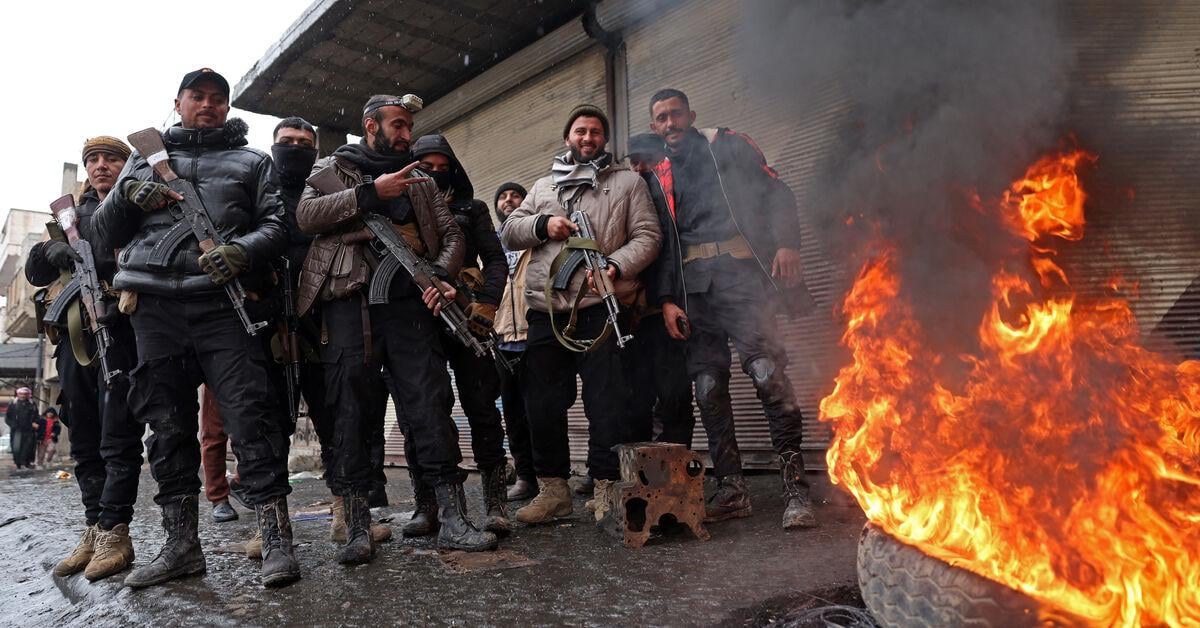
Syrian government troops kept up their dizzying advance against the Syrian Democratic Forces on Sunday, gaining nearly full control of [Raqqa](https://www.al-monitor.com/originals/2025/04/nightlife-rocks-raqqa-syrias-islamist-leaders-navigate-power), the erstwhile capital of the Islamic State, which was seized almost nine years ago by the Kurdish-led militia with the help of the United States.
Hours later, Syrian President Ahmed al-Sharaa announced what amounted to the effective capitulation of the Kurdish-led militia that is widely viewed as having some of the toughest and bravest women and male fighters in the region. Syrian state media published an image of Sharaa holding the text of an agreement whose terms broadly favor Damascus, according to images of the text circulated online. The agreement is said to have been endorsed by the SDF commander in chief, Mazlum Kobane, who was meant to have traveled to Damascus today to sign the document in the presence of the US Syria envoy Tom Barrack. Kobane is said to have ultimately signed the document remotely, rather than in person in Damascus.
In a post on X, Barrack commended the sides for their “constructive efforts” and for “paving the way for renewed dialogue and cooperation toward a unified Syria.”
“Two great Syrian leaders, driven by the shared visions of liberating their country and people from tyranny, have now come together to forge a brighter future for all Syrians,” Barrack noted.
The SDF commander had not publicly commented on the accord as of the time of publication of this article. If anything, the visions of the two men could not be further apart. Sharaa insists on a tightly centralized model of government. The Kurds have been campaigning to preserve their autonomous civilian and military structures consolidated over nearly 14 years of US-protected self rule. Sharaa is an Islamist, whereas Kobane and the SDF are determinedly secular and actively promote gender equality.
The agreement, if fully implemented, would likely mark a definitive end to the Syrian Kurds’ hopes for political autonomy and a massive political win for Sharaa as he seeks to extend his grip over the country after a year of shaky and violent rule that saw the mass killings of Alawites and Druze last year. Observers say many of the agreement’s provisions will take months, if not years, to be enforced.
An Arabic language version of the agreement bore Kobane’s signature and was shared by Syrian information minister, Hamza al-Mustafa, on X.
The agreement establishes a comprehensive ceasefire across all frontlines and lines of contact between the SDF and government forces and calls for the full and immediate military and administrative handover of the Raqqa and Deir ez-Zor governorates — along with all border crossings, oil fields and gas fields in the region — to the Syrian government. It also calls for the full integration of the SDF military and security personnel into the structures of the Syrian ministries of defense and interior on an individual basis. This represents a major concession by the SDF, which had been pressing to retain several divisions and brigades. Damascus had initially agreed on the latter, but hardened its position after an earlier meeting between the sides on Jan. 4. All the SDF was left with was a local police force for the town of Kobani, which borders Turkey.
However, heavy weapons are to be withdrawn from Kobani, which became a symbol of Kurdish resistance when it was besieged by ISIS in 2014. In another critical change, administration of [ISIS prisons](https://www.al-monitor.com/originals/2025/04/syrias-kurds-say-trump-aid-cuts-are-feeding-radicalism-isis-camps) and camps housing militants’ families will be transferred to the central government. Guardianship of those facilities had been a key source of leverage for the SDF in its dealings with the US-led coalition against IS.
There is no reference to self-rule or ethnic rights. Instead, the agreement references Friday’s surprise decree signed by Sharaa, which designates Kurdish as a “national,” but not official, language and recognizes the March 21, Kurdish New Year, as an official holiday.
The speed with which Sharaa’s forces took over Arab-majority areas — they did so in 48 hours — is likely to have hastened Kobane’s apparent decision to cave to US pressure and sign the deal. Arab tribes defecting from the SDF in Raqqa and Deir ez-Zor in large numbers will not have helped its case.
SS: The announced SDF-Sharaa agreement, if fully realized, would likely signify a conclusive end to the aspirations of Syrian Kurds for political autonomy and represent a significant political victory for Sharaa as he aims to solidify his control over the country following a year of unstable and violent governance that witnessed the mass extermination of Alawites and Druze last year.
The U.S. has really nothing to do with it. The SDF had no support from the local population in their territories without the threat of ISIS/Assad and got routed in under 48 hours.
Well, there goes the Assyrian and Kurdish dreams to have any representation in a new Syria. The two groups in NE Syria combined make up between 13-17% of the population of Syria (Syrias demographics post-war are very messy atm) and >50% of the population of Hasakah, but will probably be forced to bow down to the Arabs. Rip