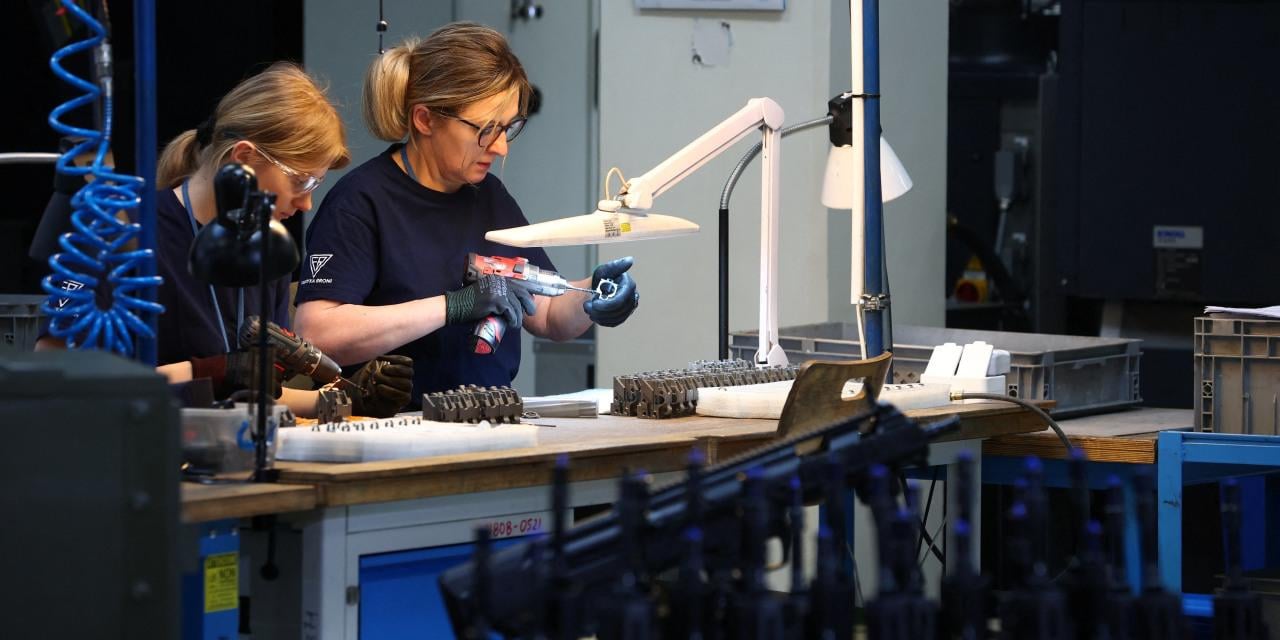
Poland’s economy reached $1trn in 2025 and is likely propelling it into the world’s top 20 after decades of rapid post-communist growth, notes WSJ. GDP expanded by 3.6% last year, powered by strong household consumption, a tight labour market and sustained public investment, much of it backed by EU funds. A diversified manufacturing base and open markets have made Poland unusually resilient, avoiding recession since the early 1990s apart from the pandemic. Now a frontline state in Europe’s defence push, it spends more of its GDP on defence than any other EU member and fields the bloc’s largest standing army. Yet higher labour costs, rising public debt, fading EU funding and adverse demographics threaten to slow growth as Poland adjusts to life among richer peers

1 Comment
Poland’s economy reached $1trn in 2025 and is likely propelling it into the world’s top 20 after decades of rapid post-communist growth, notes WSJ. GDP expanded by 3.6% last year, powered by strong household consumption, a tight labour market and sustained public investment, much of it backed by EU funds. A diversified manufacturing base and open markets have made Poland unusually resilient, avoiding recession since the early 1990s apart from the pandemic. Now a frontline state in Europe’s defence push, it spends more of its GDP on defence than any other EU member and fields the bloc’s largest standing army. Yet higher labour costs, rising public debt, fading EU funding and adverse demographics threaten to slow growth as Poland adjusts to life among richer peers