
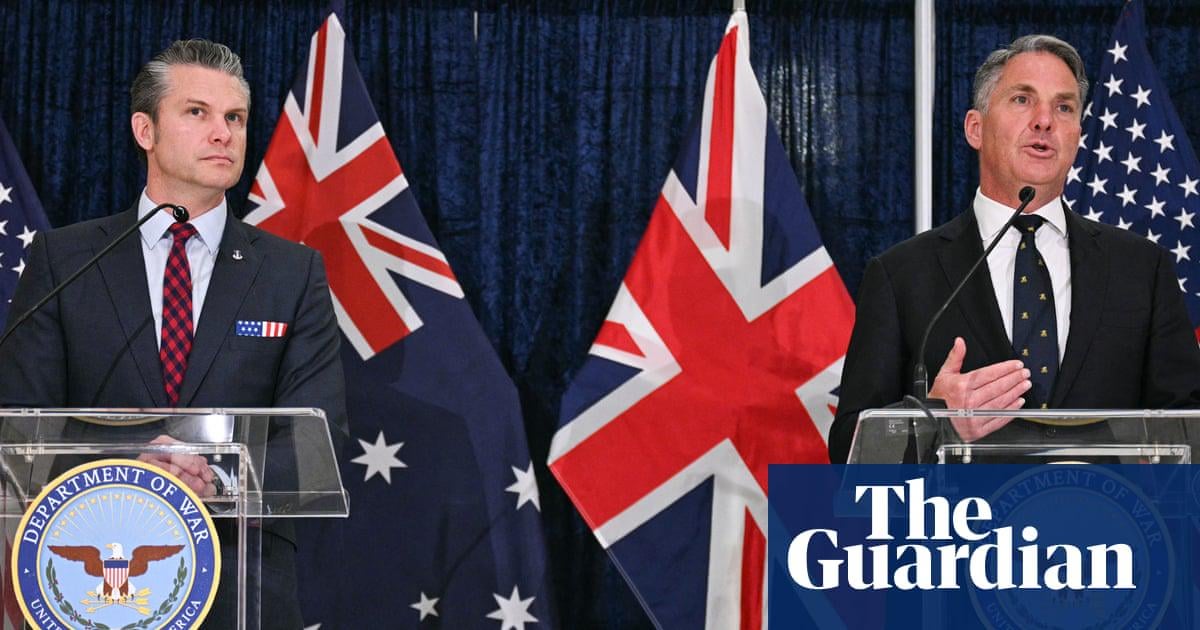
Possibility of US ever selling Australia nuclear submarines is increasingly remote, Aukus critics say | Aukus
Posted by Eurolib0908
Possibility of US ever selling Australia nuclear submarines is increasingly remote, Aukus critics say | Aukus
Posted by Eurolib0908
2 Comments
I do wonder whose big idea it was to decide to contribute billions to the US industrial base *without* a clause to claw back the funds should the production rate for Virginia class subs not allow the transfer of the vessels to Australia.
Submission statement:
Why is this relevant for r/neoliberal?
AUKUS sits at the intersection of several key neoliberal interests: the credibility of international institutions and agreements; the political economy of defence procurement; and the tension between market-based solutions, such as competitive shipbuilding, and state capacity, in the form of the US’s failing industrial base. The deal also raises questions about governance, like whether massive public investment can overcome structural industrial decline, and how sovereign decision-making aligns with alliance commitments.
What do you think people should discuss about it?
The most interesting tension here is between institutional commitment and material limits. Although the US has made a formal promise, its shipyards cannot produce submarines quickly enough to meet domestic needs and export commitments. Will institutional credibility force industrial reform, or will hard constraints override diplomatic assurances? Also worth examining: Turnbull’s critique that Australia signed an asymmetric deal with escape clauses favouring the US, yet continues to invest billions. Does this demonstrate rational alliance management or is it caused by a sunk-cost fallacy and a fear of abandonment?