This BBC article explores the rise of “Chinamaxxing” among segments of American Gen Z on social media: a trend where young people romanticize or selectively highlight aspects of life in China, from infrastructure and urban development to perceived safety and social order.
For the sub, this is relevant as a case study in China’s growing soft power: an area where Beijing historically struggled.
For decades, China’s global influence was primarily economic and coercive rather than cultural or aspirational. But through social media platforms, influencer ecosystems, and carefully curated narratives about modernization and efficiency, China appears to be making inroads with younger Western audiences disillusioned by housing costs, inequality, political dysfunction, and polarization at home.
The phenomenon raises broader questions about the future of liberal democracy’s global appeal. If young people in advanced democracies increasingly view authoritarian governance models as competent or attractive alternatives, even superficially, that signals a deeper legitimacy challenge.
Soft power has long been a strength of liberal democracies; a shift in cultural admiration toward an illiberal model has implications for geopolitical competition, public opinion, and the ideological balance of the 21st century.
HandBananaHeartCarl on
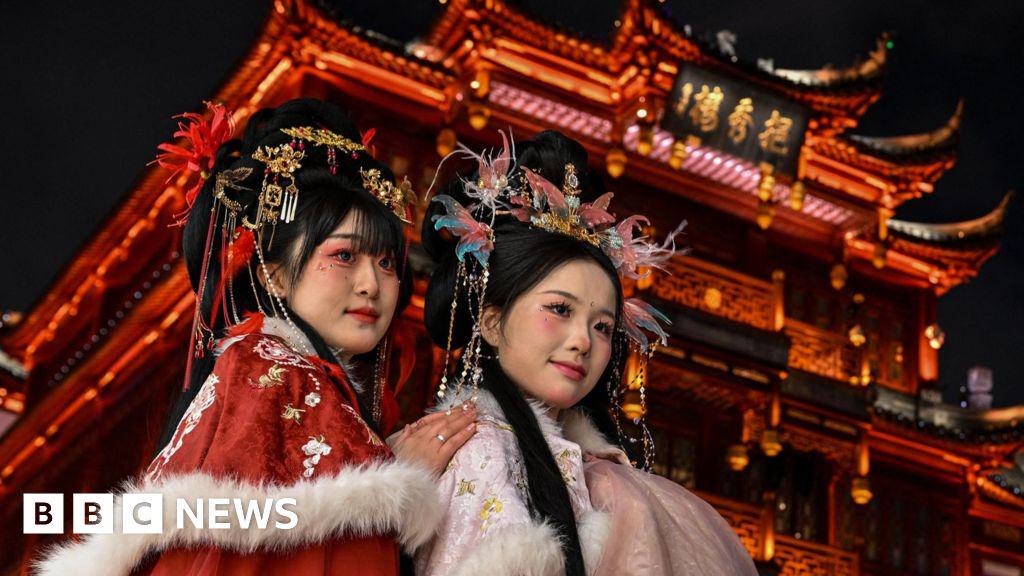
>Or at least that’s what they claim on TikTok, where a trend called “Chinamaxxing” has taken off in the West.

2 Comments
Submission Statement:
This BBC article explores the rise of “Chinamaxxing” among segments of American Gen Z on social media: a trend where young people romanticize or selectively highlight aspects of life in China, from infrastructure and urban development to perceived safety and social order.
For the sub, this is relevant as a case study in China’s growing soft power: an area where Beijing historically struggled.
For decades, China’s global influence was primarily economic and coercive rather than cultural or aspirational. But through social media platforms, influencer ecosystems, and carefully curated narratives about modernization and efficiency, China appears to be making inroads with younger Western audiences disillusioned by housing costs, inequality, political dysfunction, and polarization at home.
The phenomenon raises broader questions about the future of liberal democracy’s global appeal. If young people in advanced democracies increasingly view authoritarian governance models as competent or attractive alternatives, even superficially, that signals a deeper legitimacy challenge.
Soft power has long been a strength of liberal democracies; a shift in cultural admiration toward an illiberal model has implications for geopolitical competition, public opinion, and the ideological balance of the 21st century.
>Or at least that’s what they claim on TikTok, where a trend called “Chinamaxxing” has taken off in the West.
Has it really?