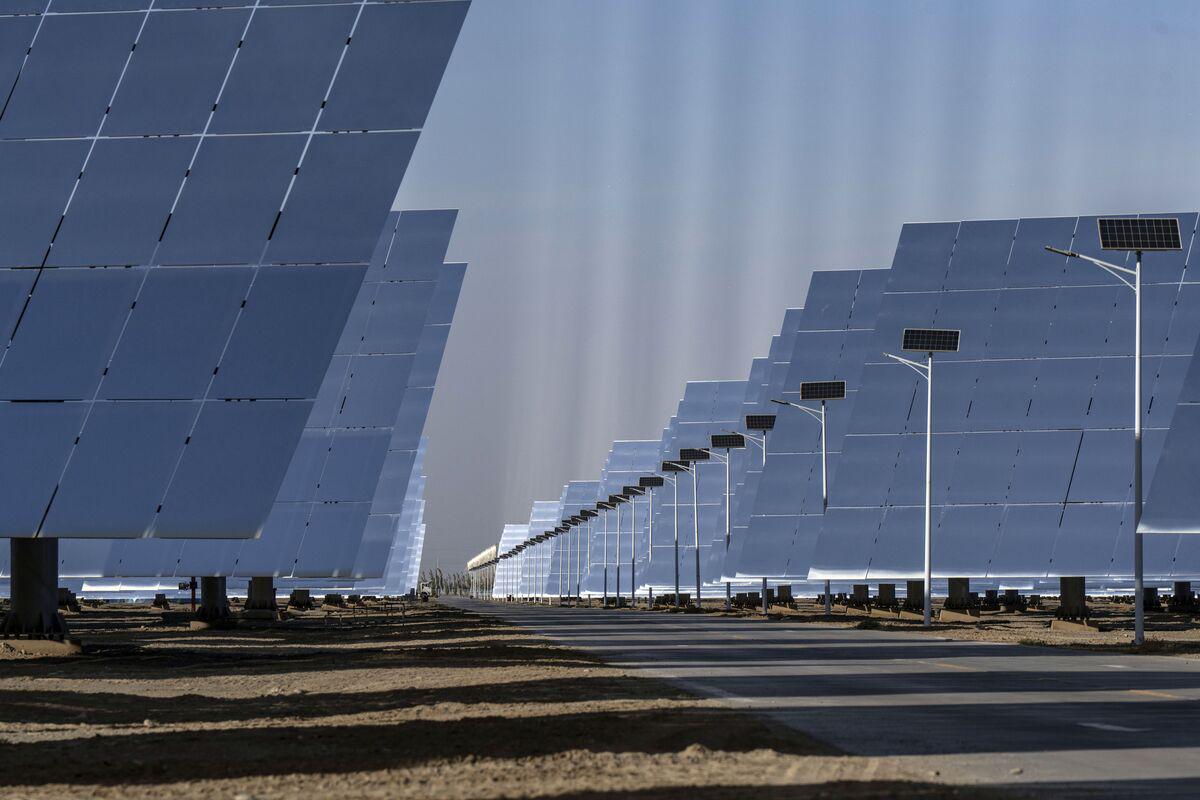
This showcases the significant influence of industrial policy, market competition and technological innovation in driving the energy transition. China’s solar boom, fueled by state-backed scaling and an abundance of cheap panels globally, demonstrates how strategic investment and open trade can swiftly decarbonise a grid while, also creating familiar neoliberal tensions like market overcapacity and the need for pricing reforms and grid modernisation.
What do you think people should discuss about it?
The group should focus on the policy lessons: how to manage the trade-offs between aggressive deployment of renewables (which is good for the climate) and the resulting market distortions and industrial losses. This is also a prime case study for the next-phase challenges of a high-renewables grid, emphasising the critical need for complementary investments in transmission, storage, and market design in order to avoid waste.

1 Comment
Submission statement:
Why is this relevant for r/neoliberal?
This showcases the significant influence of industrial policy, market competition and technological innovation in driving the energy transition. China’s solar boom, fueled by state-backed scaling and an abundance of cheap panels globally, demonstrates how strategic investment and open trade can swiftly decarbonise a grid while, also creating familiar neoliberal tensions like market overcapacity and the need for pricing reforms and grid modernisation.
What do you think people should discuss about it?
The group should focus on the policy lessons: how to manage the trade-offs between aggressive deployment of renewables (which is good for the climate) and the resulting market distortions and industrial losses. This is also a prime case study for the next-phase challenges of a high-renewables grid, emphasising the critical need for complementary investments in transmission, storage, and market design in order to avoid waste.