
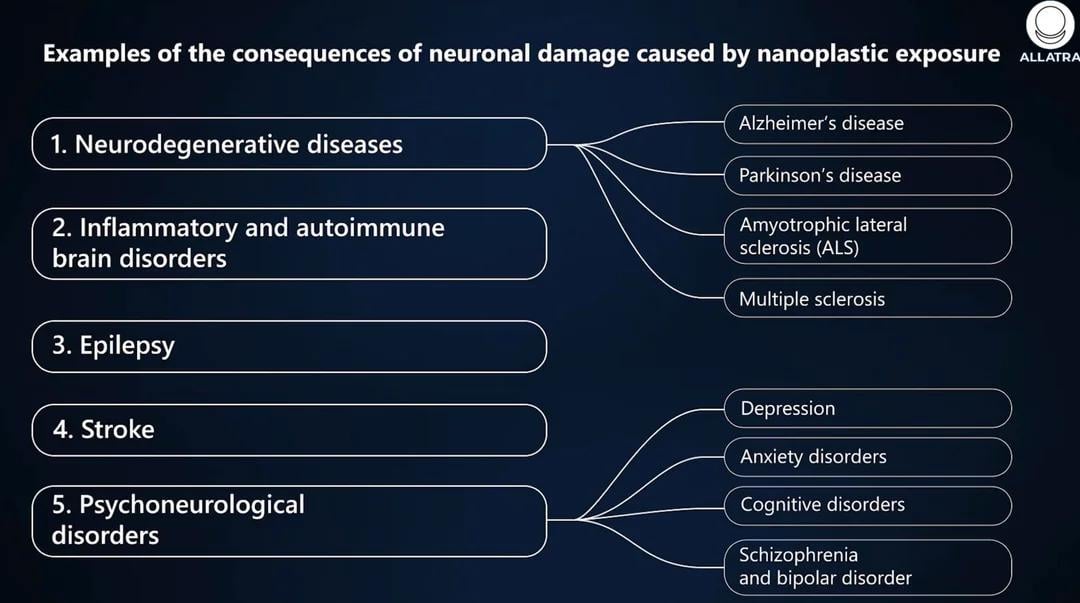
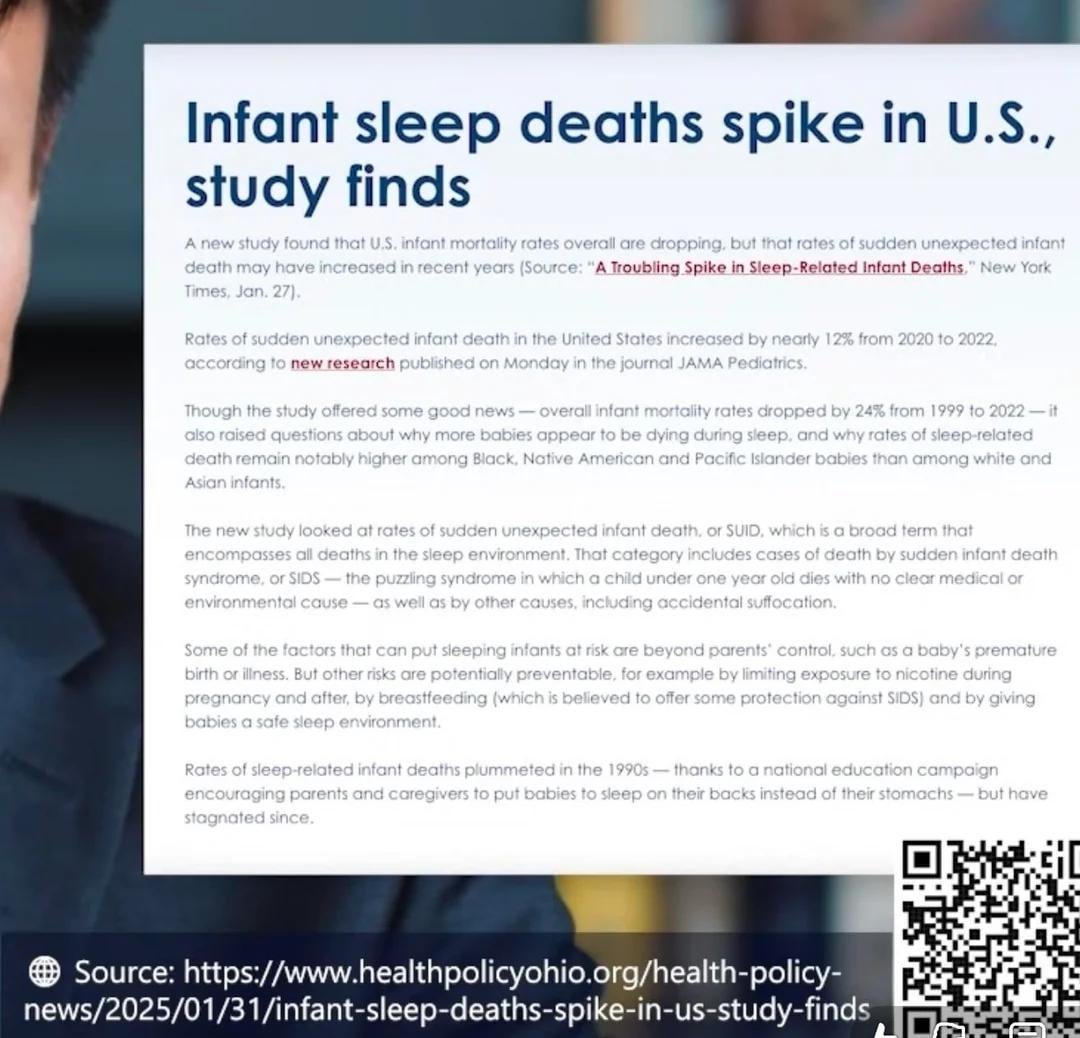


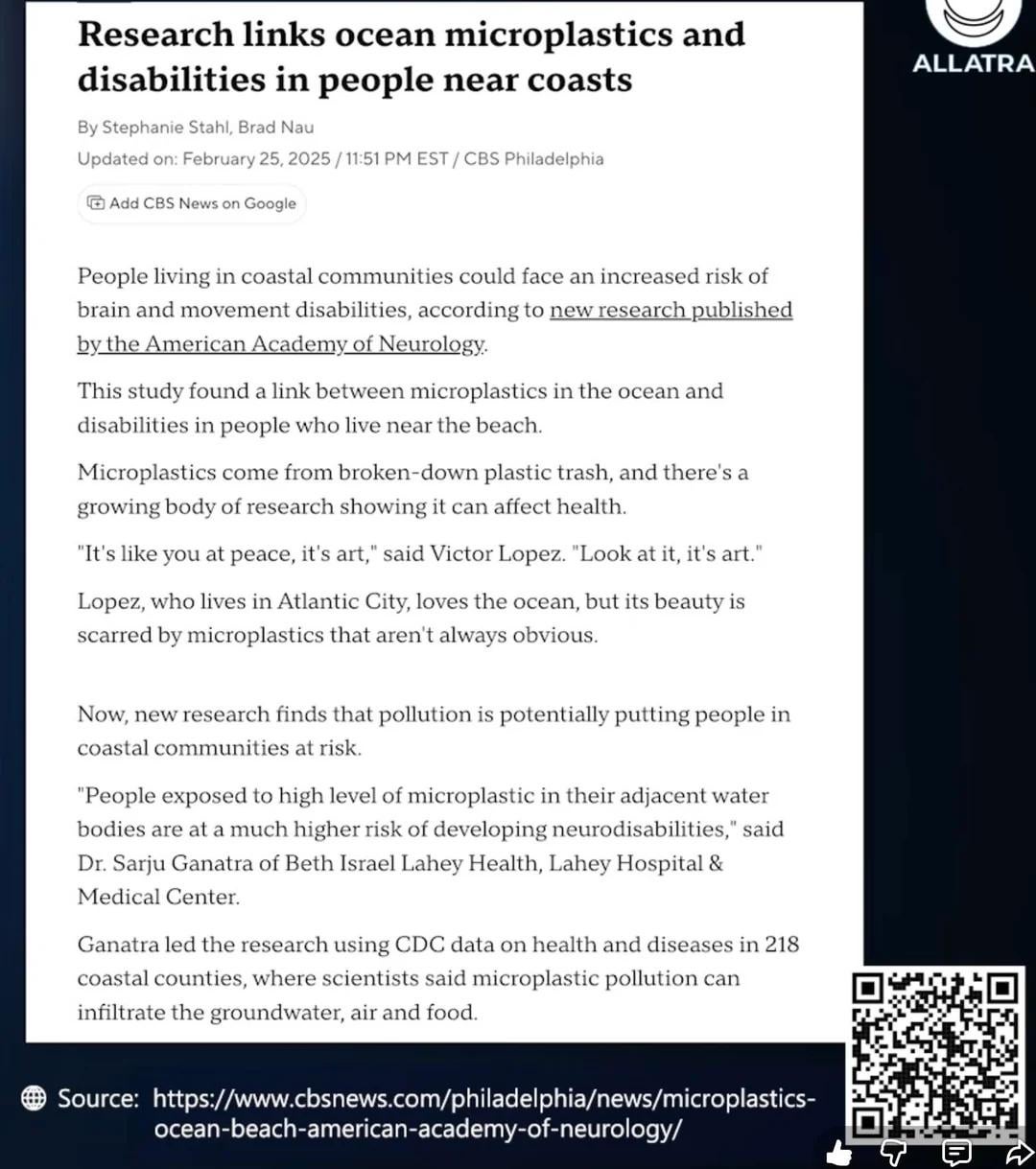
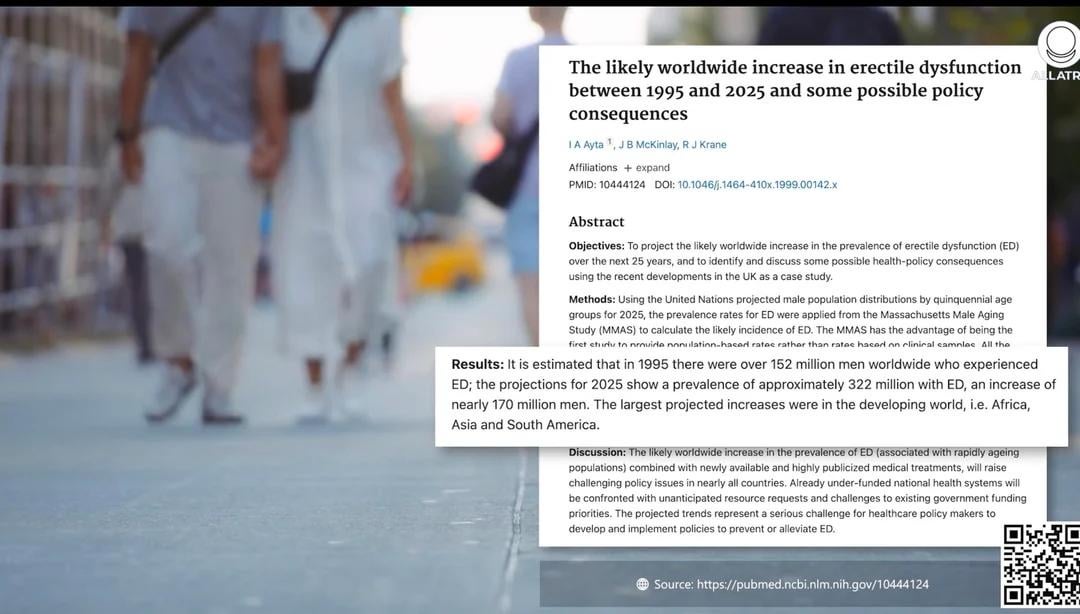
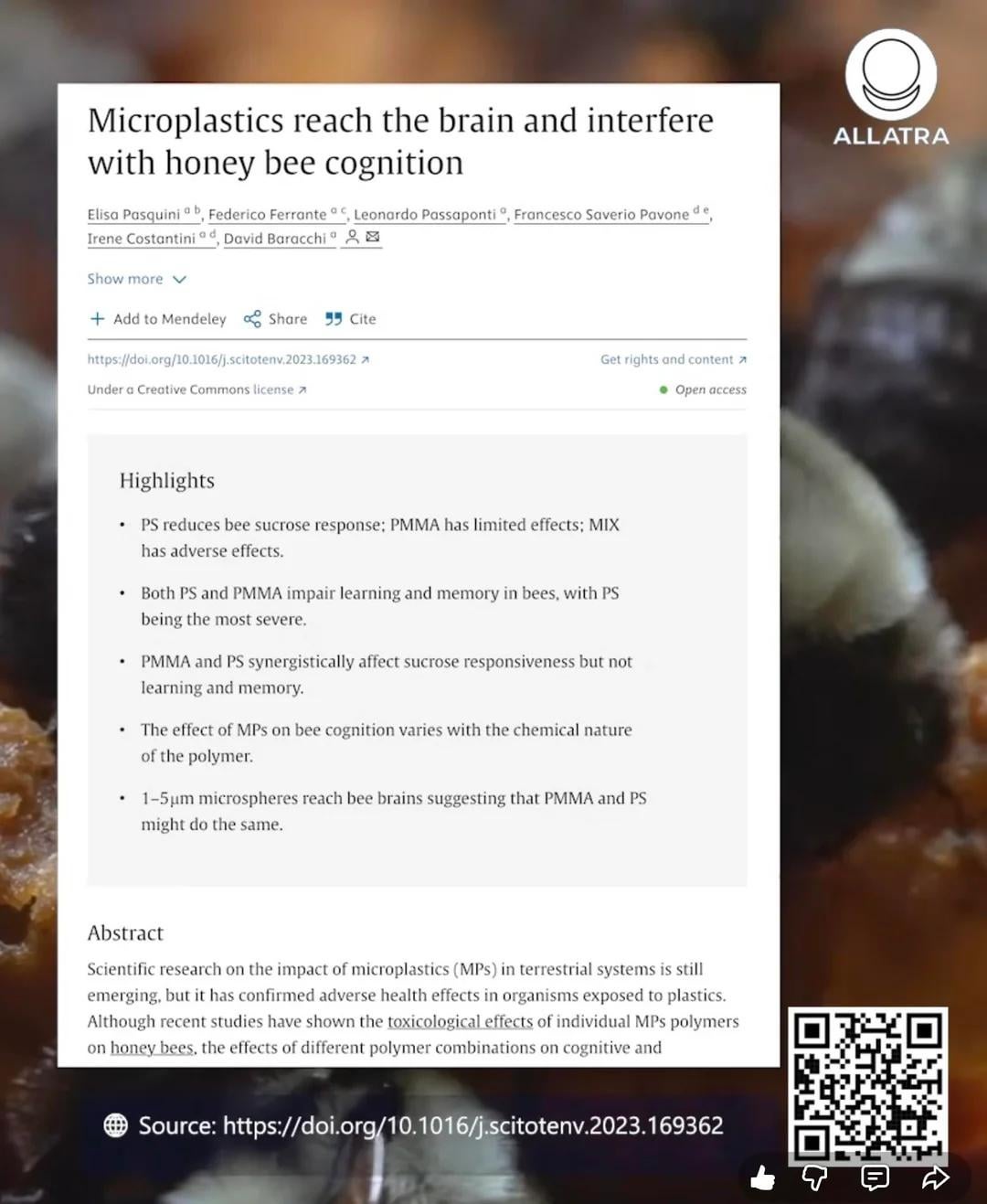

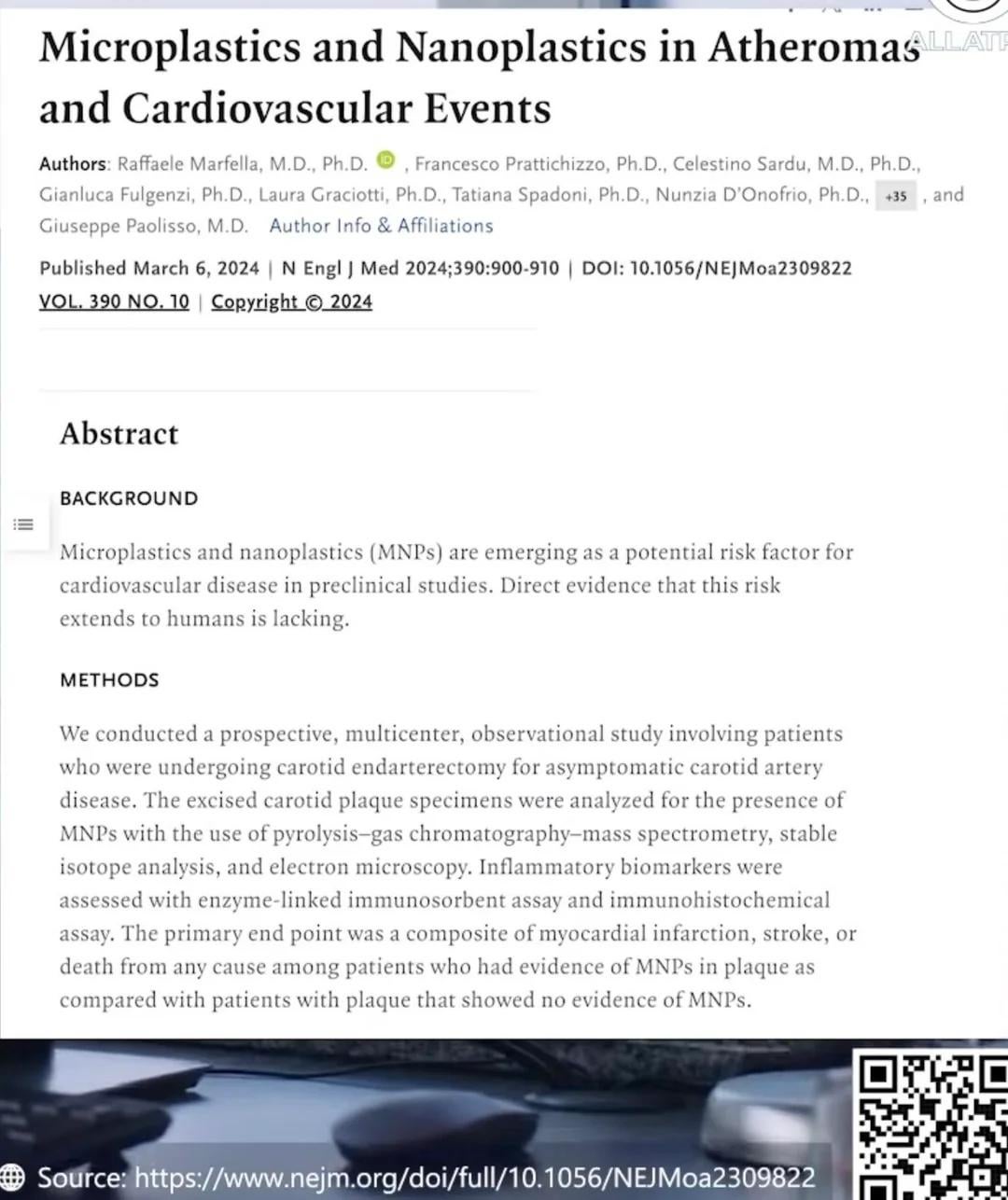
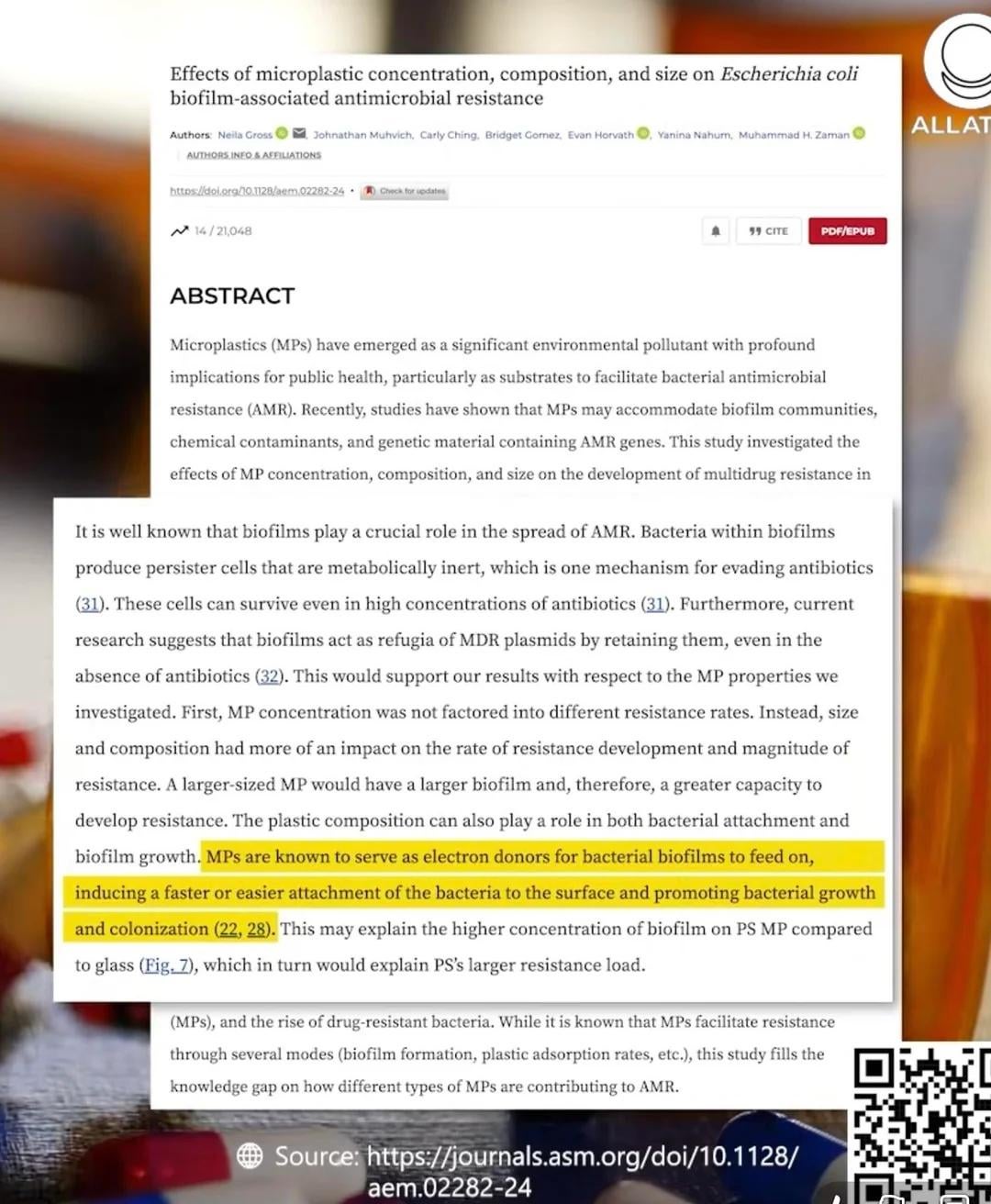
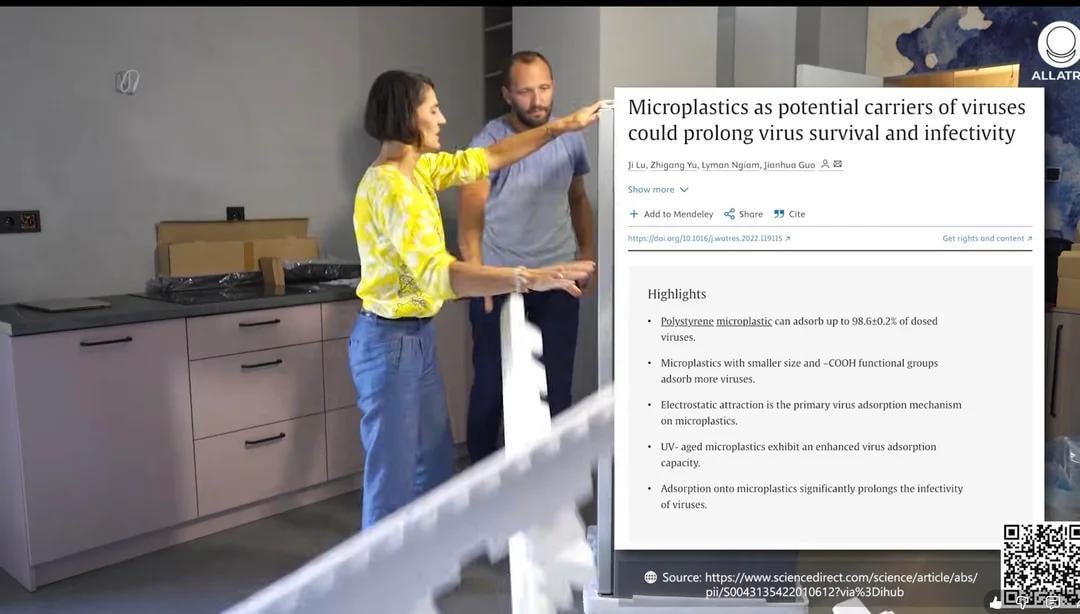
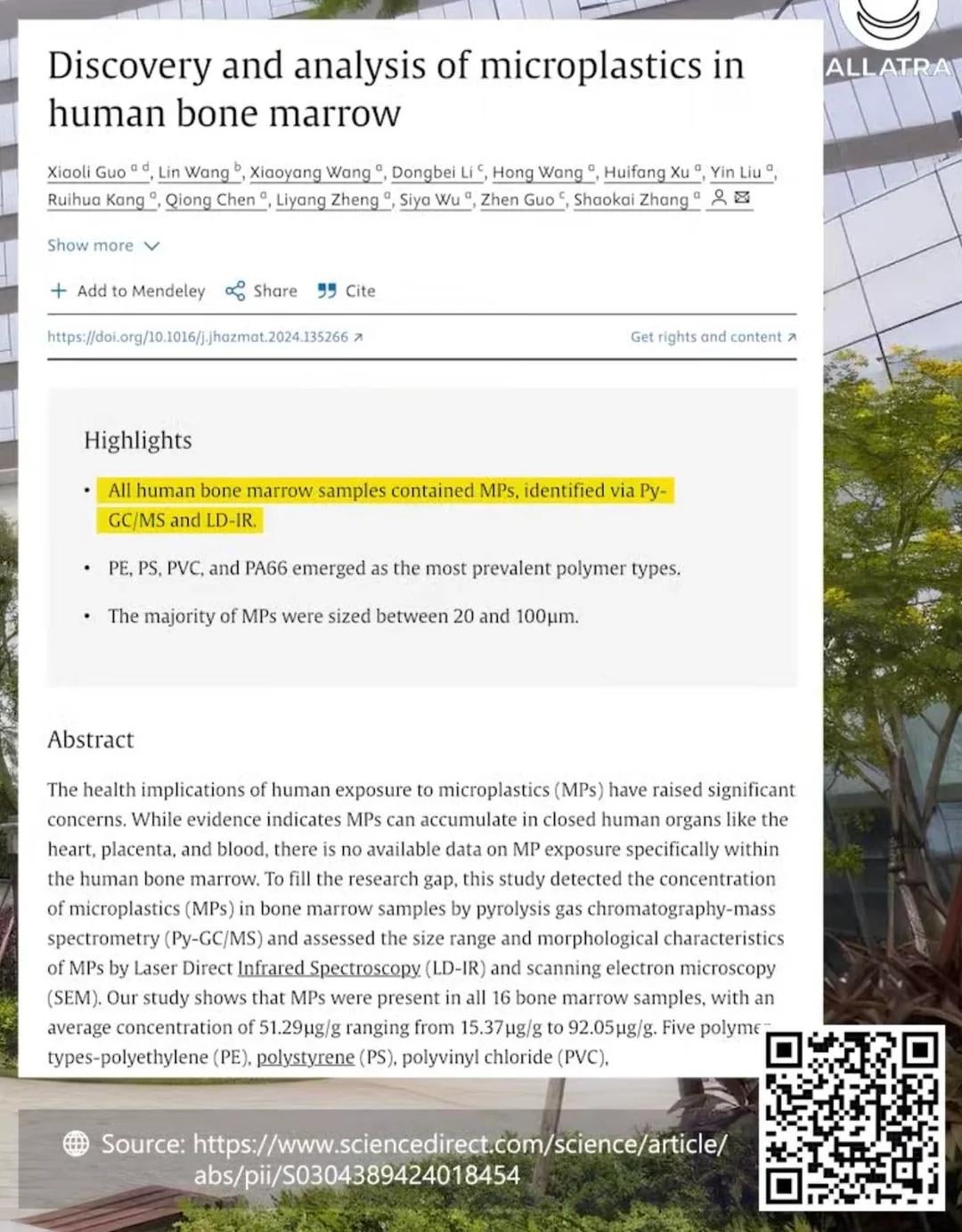
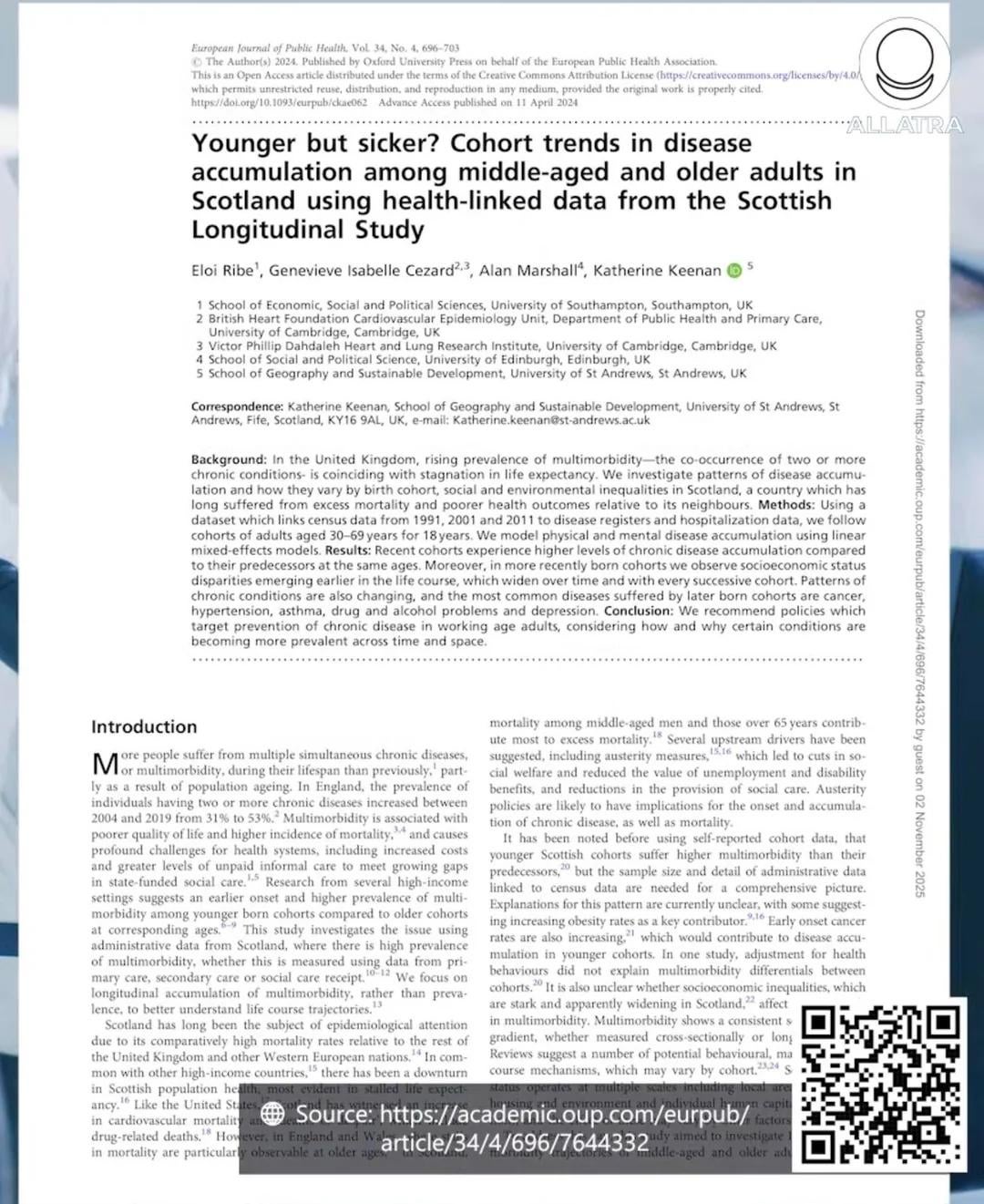
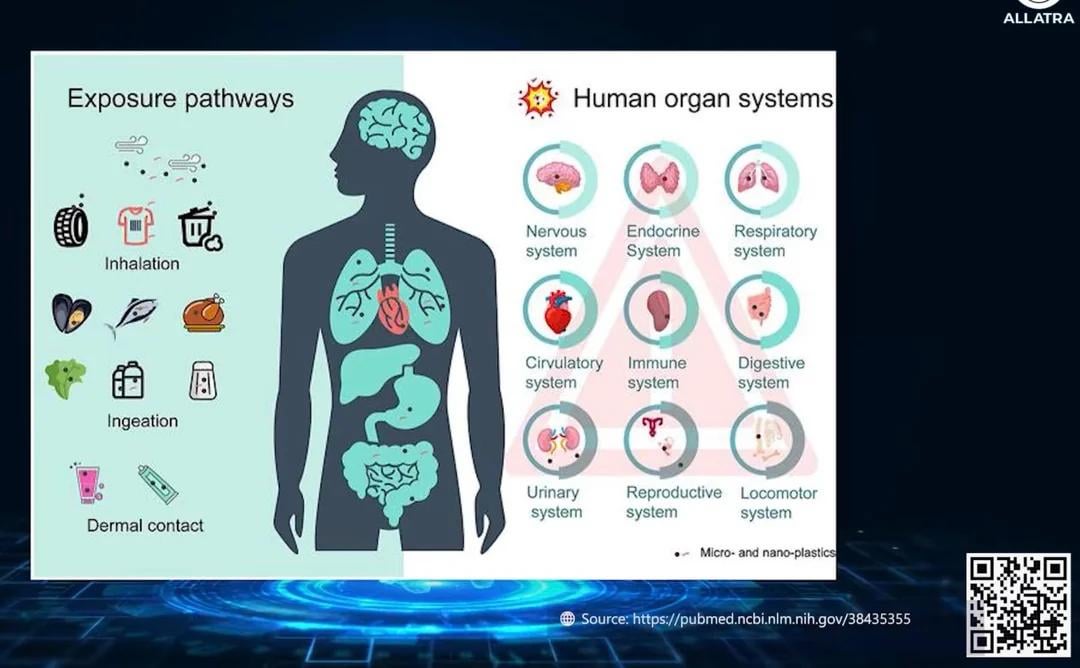
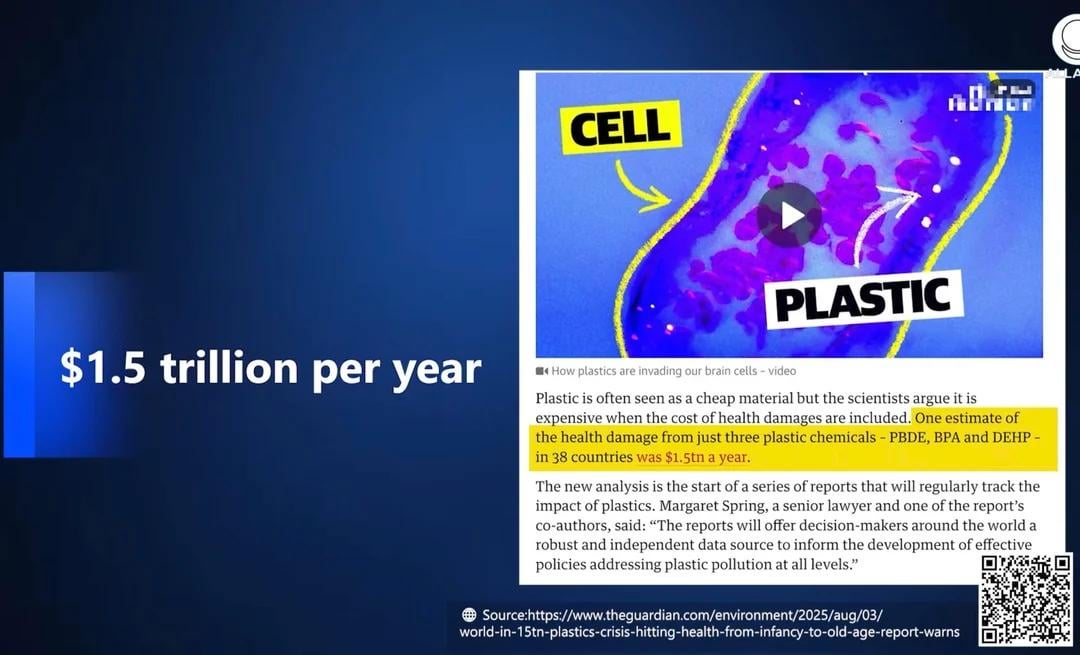
Over the last few decades, something deeply wrong has been happening to human health. Autism rates are exploding, cancer is appearing earlier and behaving more aggressively. Neurodegenerative diseases like Alzheimer’s and Parkinson’s are rising fast. Autoimmune disorders, infertility, chronic fatigue, sudden unexplained deaths – all increasing and this is happening despite unprecedented advances in medicine, diagnostics, and technology. So here’s the question no one seems willing to ask directly: what if the problem isn’t a lack of medical progress — but something in our environment that medicine can’t fix? A growing amount of research points to a factor that is already everywhere — in the air we breathe, the water we drink, the food we eat, and inside the human body itself: micro- and nanoplastics!
The ALLATRA documentary "Nanoplastics. Threat to Life" (https://www.youtube.com/watch?v=BVap0MdbCZg&t=136s) compiles scientific findings showing that plastic particles are now detected globally, regardless of geography or lifestyle. Remote mountains, deep oceans, urban centers, rural areas – no population is unexposed. What’s more concerning is what these particles do once they enter living systems.
According to the research presented, micro- and nanoplastics are associated with:
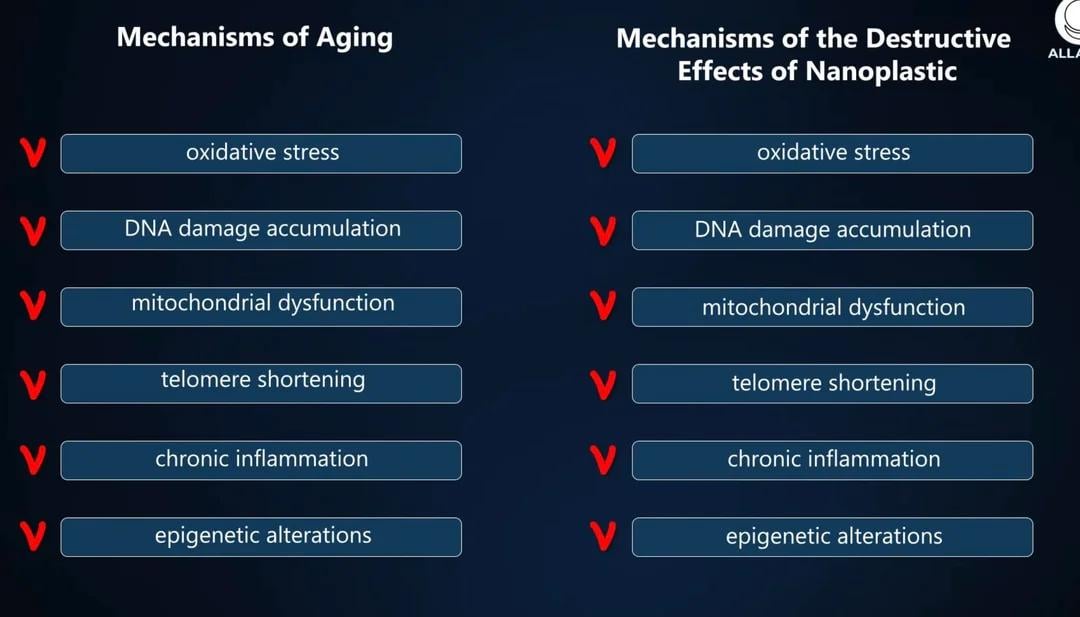
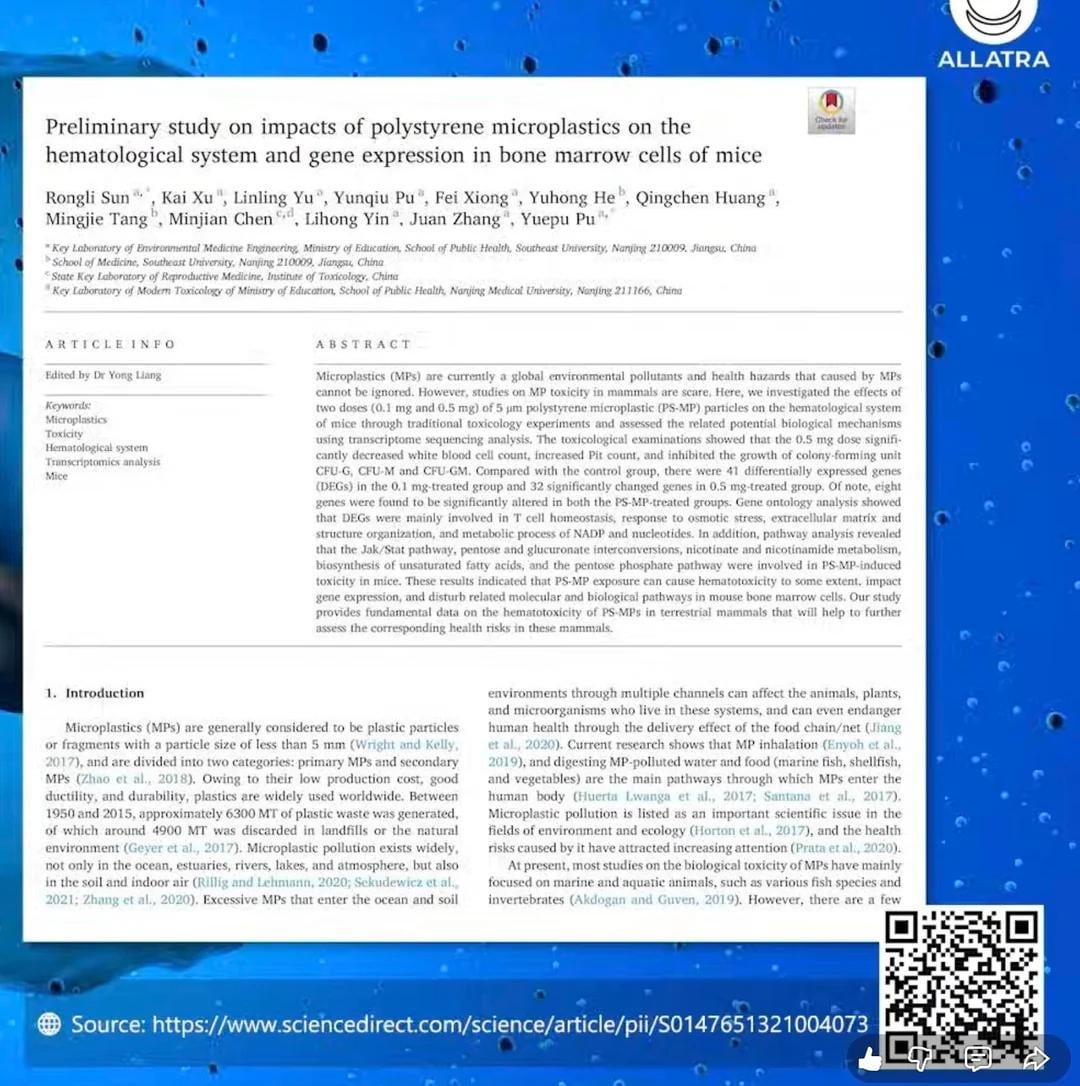
• chronic inflammation, DNA damage, and genetic mutations
• disruption of the endocrine (hormonal) system
• accelerated cellular aging
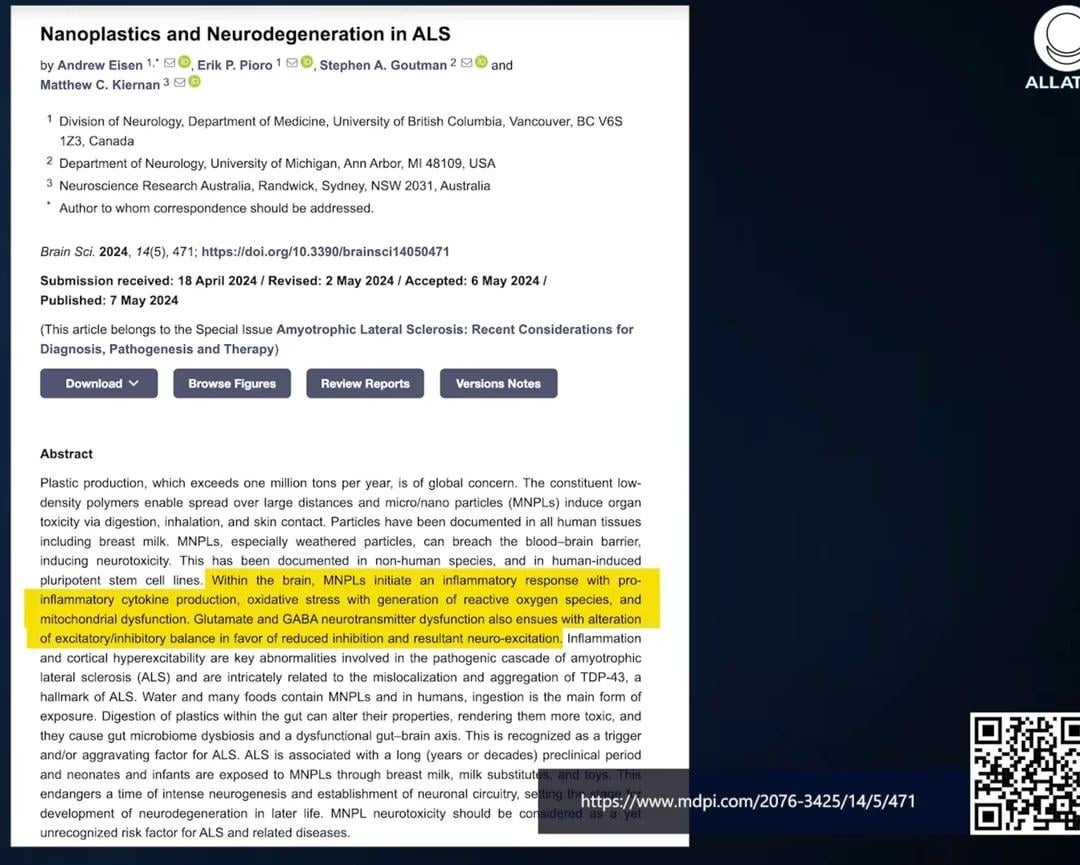
• cognitive impairment and neurological dysfunction
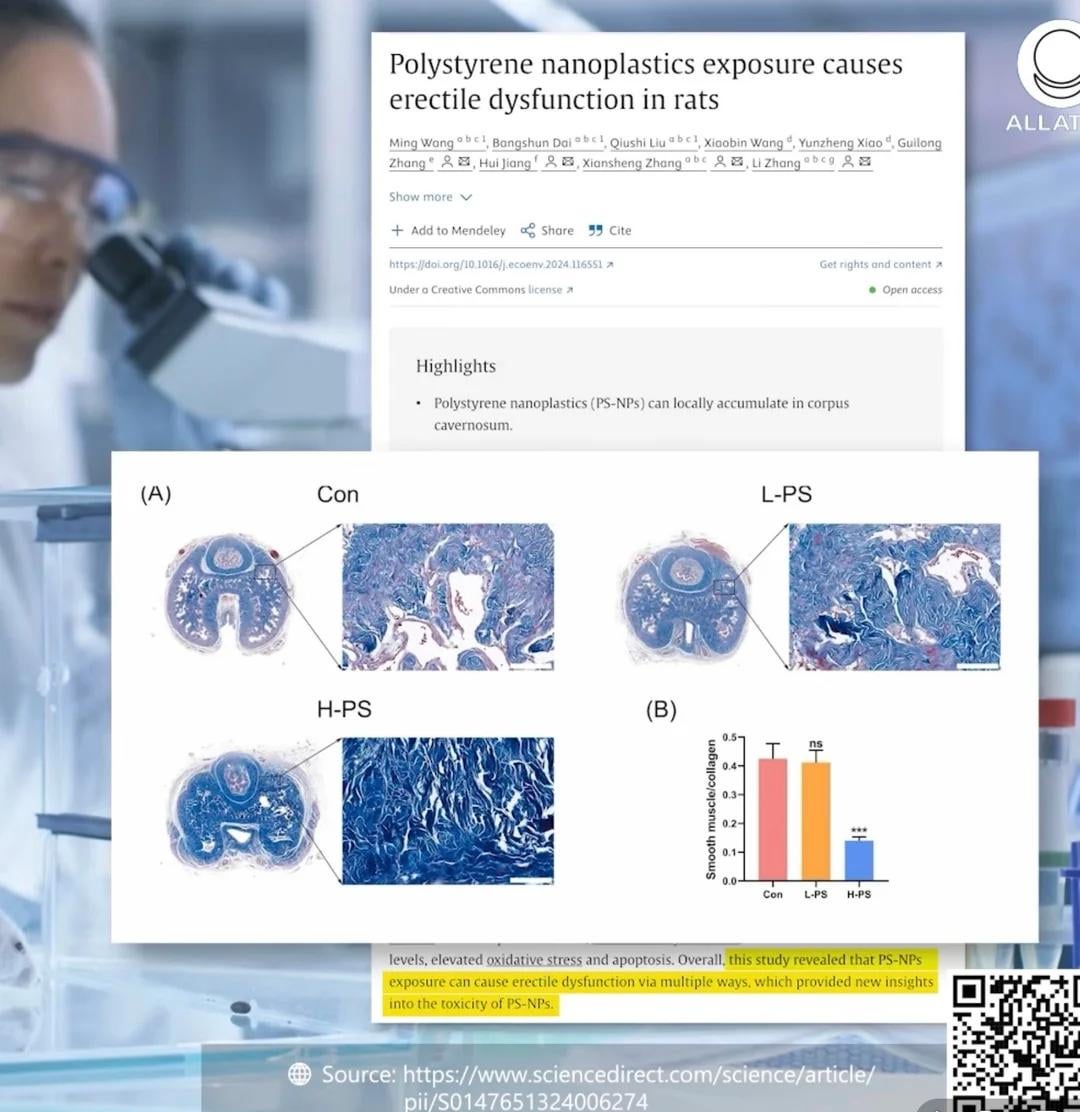
• erectile dysfunction and declining fertility
• rising cancer rates
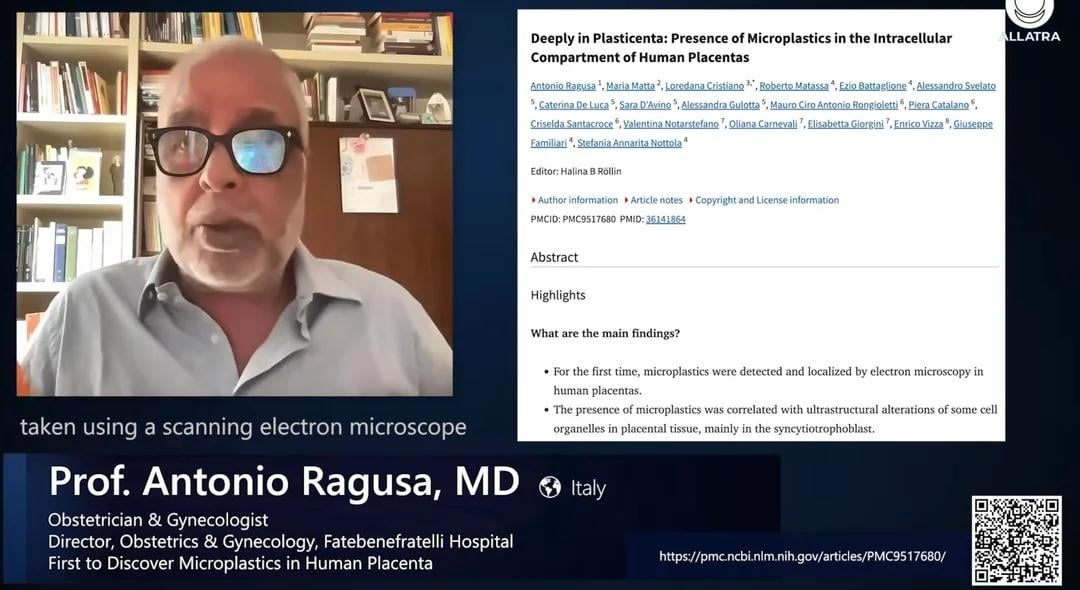
• impacts on children that begin before birth and continue throughout development
In other words, exposure doesn’t start in adulthood — it starts in the prenatal stage, when the nervous system and organs are still forming.
This reframes the entire conversation about “modern disease.” It’s not just about lifestyle, genetics, or access to healthcare, it’s about constant, unavoidable exposure to biologically active particles that the human body was never meant to interact with.
And here’s the most uncomfortable conclusion: simply “reducing plastic use” or abandoning plastic today is no longer enough. The particles are already embedded in ecosystems, food chains, and human tissue. Continuing to focus solely on treating symptoms — cancer, neurodegeneration, infertility, immune disorders — is no longer a viable path forward. It addresses outcomes, not origins.
If modern disease is being driven by chronic exposure to micro- and nanoplastics, then real progress requires shifting attention upstream – toward identifying, neutralizing, and removing the root cause itself!
Posted by 3kn7
9 Comments
I thought everyone knew this
Not a conspiracy but a sad fact.
Whats really interesting is how antipsychotics cause parkinsonisms through incapaciting the polymerization of dopamine and noradrenaline to neuromelanin. Should focus on getting rid of the exhaust of the engine instead of restricting the gas so to speak
Most are environmental and/or epigenetic -> a direct result of the toxic soup we’re immersed in. Shitting all over the fishbowl and never changing the water = fish dies.
Despite everything mental health awareness has improved? No matter how bad they tell us we are we are actually more caring towards eachother leading people to seek help and recieve diagnosis?
Sugar and carbs baby!!!
We now understand it better, it isn’t viewed as taboo or shameful, people with neurodivergency are coming forward, many people getting diagnosed into their 40s/50s for things ignored as children. Neurodivergent people are also now more likely to get dates and have kids, we’re no longer ‘unlovable weirdoes’ people avoid. No need for conspiracy theories it is just progression of mental health understanding and ability to diagnose and treat.
I would expect infertility is environmental, poor diets and obesity are also surging. As are drug use, weight loss drug use etc which can all lead to infertility.
The water supply is FUCKED
Cause humans are doing everything else in the world but being fuxking decent humans 😭