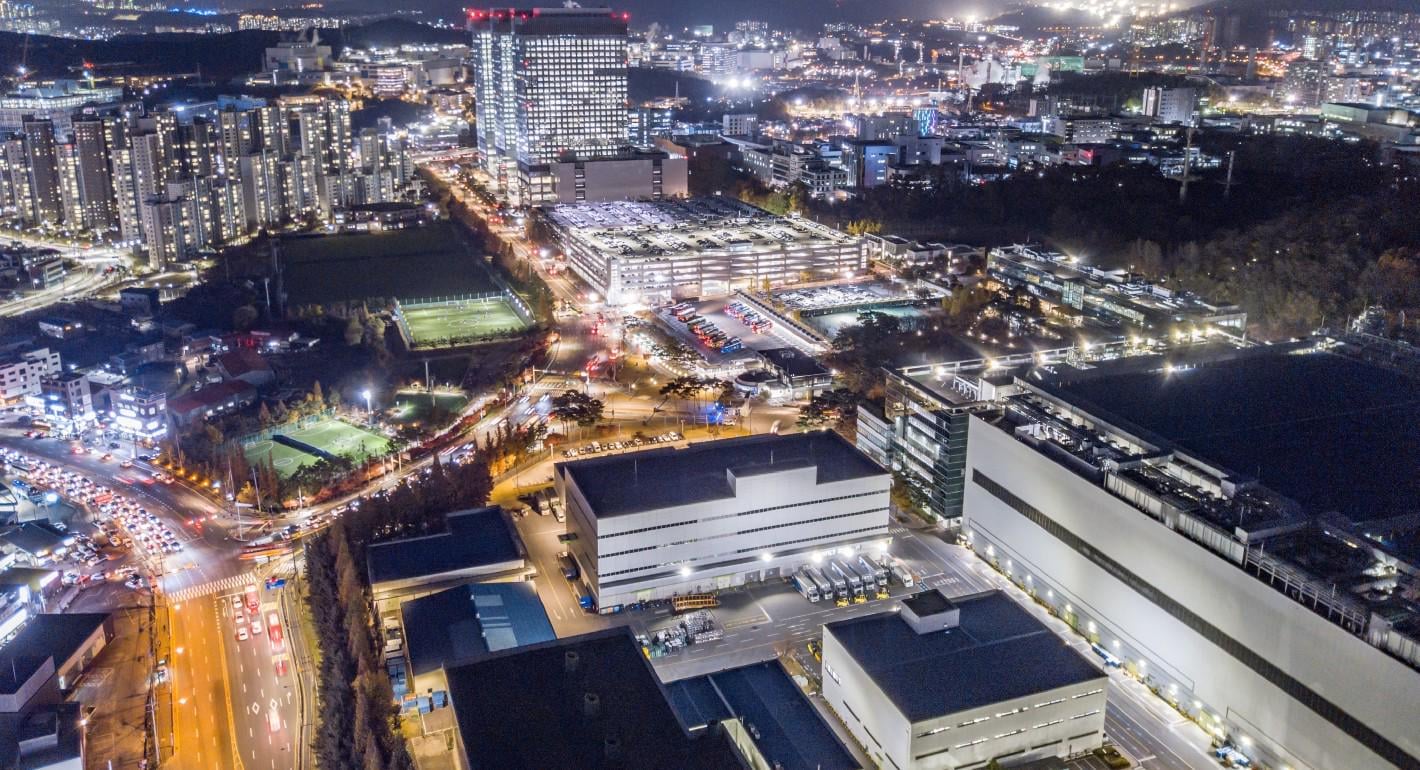
The war in Iran and disruption of the Strait of Hormuz have exposed deep vulnerabilities in South Korea’s semiconductor-driven economy, triggering a sharp market sell-off and highlighting its dependence on imported energy. Korea relies heavily on Middle Eastern oil and gas to power energy-intensive chip production, leaving firms such as Samsung Electronics and SK Hynix acutely exposed to geopolitical shocks. As global leaders in memory chips, disruptions to Korean production risk cascading through supply chains for AI, cloud computing and industrial technology. The crisis underscores how energy insecurityhas become a critical bottleneck in the global semiconductor system, notes Carnegie. Analysts of the think tank argue Seoul must expand domestic energy sources and modernise its grid to safeguard both economic stability and its technological edge.
the-senat on
Truly the omniproblem. What a stupid idea attacking Iran was.
Shouldn’t this make every fossil fuel importing country rethink their energy setup? You can go nuts (and I mean NUTS) on cheap Chinese solar panels, nuclear energy and wind where that’s not possible, and just free your country from having to deal with this crap.

4 Comments
The war in Iran and disruption of the Strait of Hormuz have exposed deep vulnerabilities in South Korea’s semiconductor-driven economy, triggering a sharp market sell-off and highlighting its dependence on imported energy. Korea relies heavily on Middle Eastern oil and gas to power energy-intensive chip production, leaving firms such as Samsung Electronics and SK Hynix acutely exposed to geopolitical shocks. As global leaders in memory chips, disruptions to Korean production risk cascading through supply chains for AI, cloud computing and industrial technology. The crisis underscores how energy insecurityhas become a critical bottleneck in the global semiconductor system, notes Carnegie. Analysts of the think tank argue Seoul must expand domestic energy sources and modernise its grid to safeguard both economic stability and its technological edge.
Truly the omniproblem. What a stupid idea attacking Iran was.
https://preview.redd.it/bsznzqrnsipg1.jpeg?width=947&format=pjpg&auto=webp&s=79a555849d996e0975ae904e6b071f2bdc72e29e
Shouldn’t this make every fossil fuel importing country rethink their energy setup? You can go nuts (and I mean NUTS) on cheap Chinese solar panels, nuclear energy and wind where that’s not possible, and just free your country from having to deal with this crap.
What are the biggest obstacles there?
> Switching to more self-sufficient alternatives such as nuclear, solar, wind, and biofuels has lagged, despite the country’s [longstanding commitment to a clean energy](https://www.worldbank.org/en/news/feature/2012/05/09/Korea-s-Global-Commitment-to-Green-Growth) that spans both progressive and conservative administrations. Even among electricity sources less dependent on Middle Eastern suppliers, [coal (33 percent) still tops nuclear (31 percent](https://www.iea.org/countries/korea/energy-mix)).
Like, WTF is going on over there?