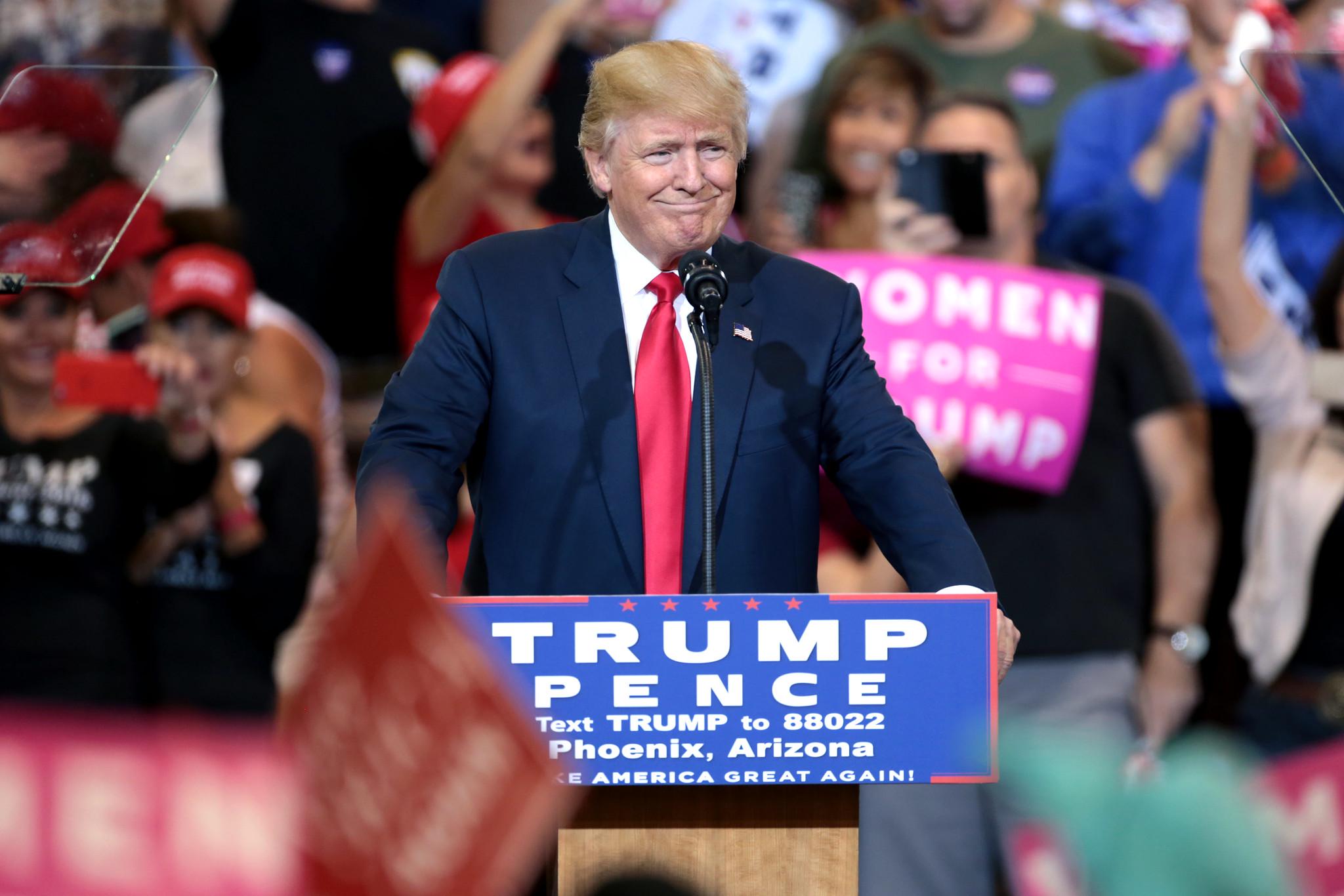
Nanre Nafziger and Adam Khalid Muhammad argues that admiration for Donald Trump among some Nigerians reflects religious nationalism and geopolitical messaging rather than racial solidarity. The piece says Trump’s rhetoric about persecuted Christians has resonated with segments of Nigeria’s Christian population despite U.S. immigration restrictions targeting Nigeria. It claims this narrative has deepened religious and regional divides, with many Muslims rejecting U.S. intervention while some Christians see Trump as a protector. Nafziger and Muhammad contend the discourse distracts from expanding U.S. security cooperation and strategic interests in West Africa. They argue the Bola Tinubu government benefits politically from welcoming American assistance amid insecurity. The article concludes the phenomenon as part of broader U.S. geopolitical strategy and domestic political messaging.

2 Comments
Nanre Nafziger and Adam Khalid Muhammad argues that admiration for Donald Trump among some Nigerians reflects religious nationalism and geopolitical messaging rather than racial solidarity. The piece says Trump’s rhetoric about persecuted Christians has resonated with segments of Nigeria’s Christian population despite U.S. immigration restrictions targeting Nigeria. It claims this narrative has deepened religious and regional divides, with many Muslims rejecting U.S. intervention while some Christians see Trump as a protector. Nafziger and Muhammad contend the discourse distracts from expanding U.S. security cooperation and strategic interests in West Africa. They argue the Bola Tinubu government benefits politically from welcoming American assistance amid insecurity. The article concludes the phenomenon as part of broader U.S. geopolitical strategy and domestic political messaging.
Not just Nigeria, all of SSA.
Especially common in South Africa.