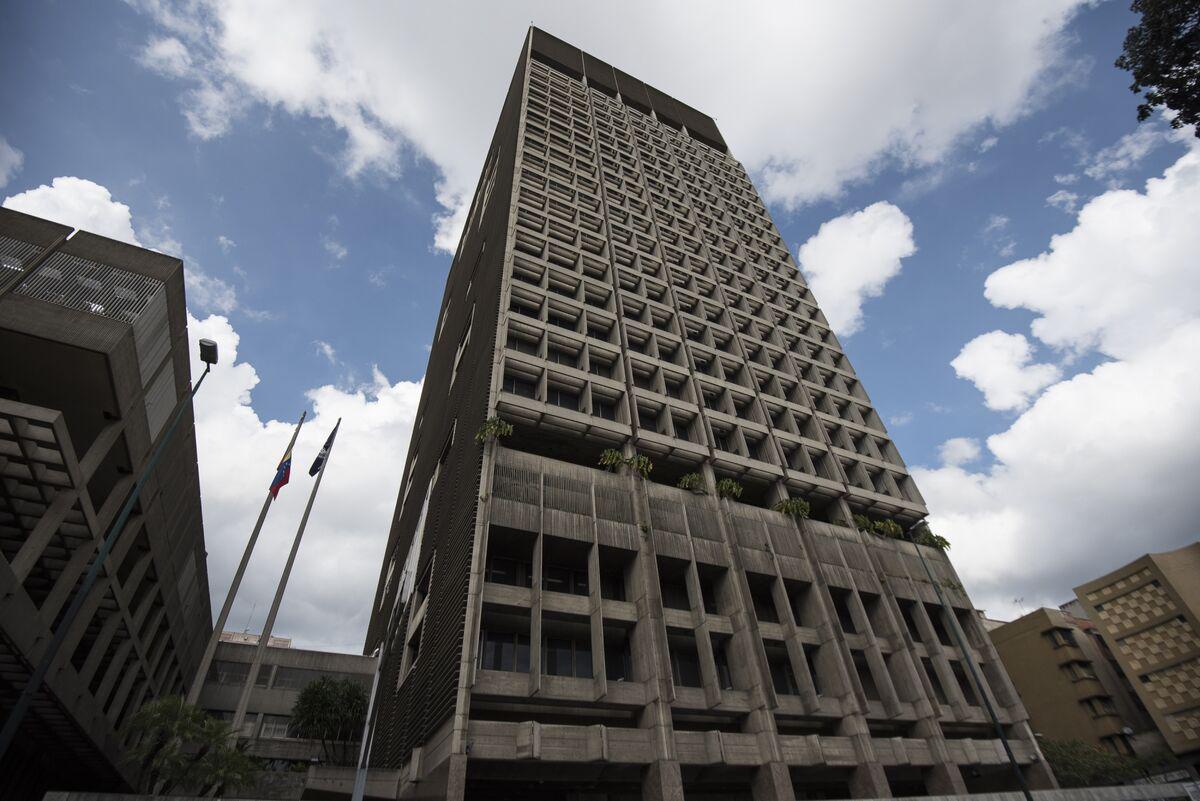
>Venezuela and US officials are in talks to incorporate political opposition and independent members to the board of the South American country’s central bank, a key potential step toward power-sharing to help root out corruption.
>The central bank, like nearly all of Venezuela’s institutions, was co-opted by the government under a quarter century of socialist rule. Restoring their credibility, especially in the case of the central bank, is vital to the oil-rich country’s return to the international fold.
>Several candidates, including politicians and academics, are under consideration and have been approached by officials to assess their willingness to serve, according to people familiar with the matter who asked not to be identified discussing confidential talks. The deliberations, which also include opposition figures, are ongoing and no firm decisions have been made, the people said.
>If implemented, the revamped central bank board would enhance the institutional credentials of the interim administration of acting President Delcy Rodríguez, who has led Venezuela since the US captured leader Nicolás Maduro in January. But the government’s allies in Venezuela’s legislature are proving to be a roadblock to power-sharing, after they thwarted the appointment of an opposition figure to the government role of ombudsman. The central bank initiative could also reflect a push by Washington to improve governance and curb corruption at one of the country’s most critical institutions.
>Venezuela’s central bank chief, Laura Guerra, resigned last week, days after the US eased sanctions on the bank to allow it to reconnect with the international financial system. It remains unclear whether Luis Pérez, the bank’s vice president who was tapped to replace Guerra, will continue to lead the board, according to the people.
>Venezuela’s central bank board is comprised of six directors and a president, all appointed by the executive branch. The directors’ appointments require approval by the legislature, known as the National Assembly.
>Venezuela’s Information Ministry and the team of opposition leader María Corina Machado didn’t immediately respond to separate requests for comments. The US State Department didn’t immediately comment.
>Inearly April, the bank’s board and the second vice president were officially asked to leave their posts, according to people familiar with the move. On April 16 they handed over final reports to the bank’s presidency, the people said.
>Venezuela’s international reserves stand at $13.6 billion, according to official data. The central bank includes in the figure about $5 billion in Special Drawing Rights at the International Monetary Fund that the government hopes to access soon.
>Following Maduro’s capture, President Donald Trump said the US would run the country “until such time as we can do a safe, proper and judicious transition,” later adding that his administration was “in charge.” Secretary of State Marco Rubio has outlined a three-phase plan of stabilization, recovery and transition, and said oil revenues would be handled “in a way that benefits the Venezuelan people, not corruption, not the regime.”

2 Comments
>Venezuela and US officials are in talks to incorporate political opposition and independent members to the board of the South American country’s central bank, a key potential step toward power-sharing to help root out corruption.
>The central bank, like nearly all of Venezuela’s institutions, was co-opted by the government under a quarter century of socialist rule. Restoring their credibility, especially in the case of the central bank, is vital to the oil-rich country’s return to the international fold.
>Several candidates, including politicians and academics, are under consideration and have been approached by officials to assess their willingness to serve, according to people familiar with the matter who asked not to be identified discussing confidential talks. The deliberations, which also include opposition figures, are ongoing and no firm decisions have been made, the people said.
>If implemented, the revamped central bank board would enhance the institutional credentials of the interim administration of acting President Delcy Rodríguez, who has led Venezuela since the US captured leader Nicolás Maduro in January. But the government’s allies in Venezuela’s legislature are proving to be a roadblock to power-sharing, after they thwarted the appointment of an opposition figure to the government role of ombudsman. The central bank initiative could also reflect a push by Washington to improve governance and curb corruption at one of the country’s most critical institutions.
>Venezuela’s central bank chief, Laura Guerra, resigned last week, days after the US eased sanctions on the bank to allow it to reconnect with the international financial system. It remains unclear whether Luis Pérez, the bank’s vice president who was tapped to replace Guerra, will continue to lead the board, according to the people.
>Venezuela’s central bank board is comprised of six directors and a president, all appointed by the executive branch. The directors’ appointments require approval by the legislature, known as the National Assembly.
>Venezuela’s Information Ministry and the team of opposition leader María Corina Machado didn’t immediately respond to separate requests for comments. The US State Department didn’t immediately comment.
>Inearly April, the bank’s board and the second vice president were officially asked to leave their posts, according to people familiar with the move. On April 16 they handed over final reports to the bank’s presidency, the people said.
>Venezuela’s international reserves stand at $13.6 billion, according to official data. The central bank includes in the figure about $5 billion in Special Drawing Rights at the International Monetary Fund that the government hopes to access soon.
>Following Maduro’s capture, President Donald Trump said the US would run the country “until such time as we can do a safe, proper and judicious transition,” later adding that his administration was “in charge.” Secretary of State Marco Rubio has outlined a three-phase plan of stabilization, recovery and transition, and said oil revenues would be handled “in a way that benefits the Venezuelan people, not corruption, not the regime.”
This doesn’t seem like the worst possible thing