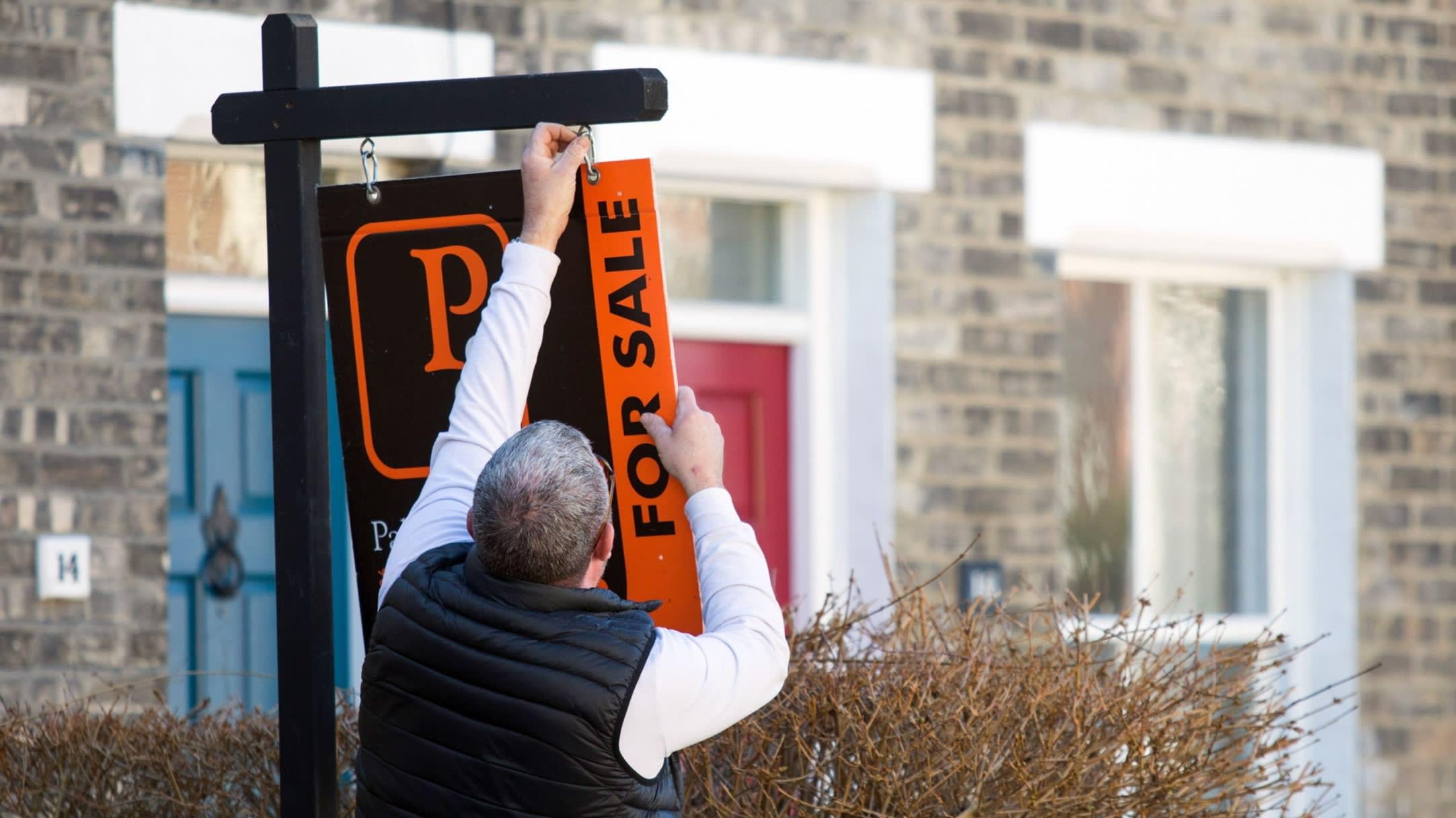
>Housing in England is at its most affordable in a decade as wages rose much faster than property prices, according to official statistics.
>The median average home in England cost £300,000 in 2025, 7.6 times the median annual average earnings of a full-time employee of £39,300, the Office for National Statistics said on Thursday. This is down from 7.8 in 2024, well below the 2021 peak of 9.1 and the lowest level since 2015.
>In Wales, the average home price of £213,000 was 6.0 times the median annual average earnings of £35,800, down from a 2021 peak of 6.6 and the lowest ratio since 2020.
>When not taking inflation into account, median house sales prices in England and Wales have risen 5 per cent since 2021, while average earnings have increased by 25 per cent over the same period.
>The ONS data showed that London remained the least affordable part of the country, with the average home selling for 10.6 times average earnings last year. However, even in the capital, the ratio was down from a 2021 peak of 12.9, and was the lowest since 2014.
>Kensington and Chelsea remained the least affordable area with house prices 25.2 higher than average earnings, but this is down from a ratio of 44 reached in 2018, reflecting the underperformance of house prices in inner London compared with the UK average over the past decade.
>Separate data published on Wednesday showed that house prices in that borough fell at double-digit annual rate for the fourth consecutive month in January.
>In contrast, the most affordable local authorities were Hyndburn in Lancashire and Kingston upon Hull in Yorkshire, both with an affordability ratio of 4.1.
>Mary-Lou Press, president of the professional body for property agents Propertymark said the data showed improvements, but warned that “affordability remains stretched by historic standards, particularly for first-time buyers, and significant regional disparities continue to shape access to home ownership”.
>Sarah Breeden, Bank of England deputy governor, said on Thursday that it was “clear there’s going to be an effect on [housing] affordability” from the Iran war, given the rise of 50 to 60 basis points already seen in quoted mortgage rates.
>But she told an audience at the Resolution Foundation think-tank that it was not yet clear whether market expectations for two increases in UK interest rates by the end of the year were correct.
>Neal Hudson, a housing analyst speaking at the same event, said the energy price shock from the Iran war would kill off the UK government’s hopes of a recovery in housebuilding for the rest of the year, however, as it would raise construction costs as well as mortgage rates.
>“Not enough people can afford to buy homes at the price developers can afford to build them for in the current market,” he said. “This year was going to be the year the housebuilders were going to expect demand to come through. Now . . . any sustained recovery in the delivery of new homes has been put further back.”
>The weaknesses in the labour market will also mean that “more buyers will feel squeezed as 2026 unfolds,” warned Tom Bill, head of UK residential research at Knight Frank.
>Richard Cook, senior economics director at Pegasus Group, said: “To maintain this momentum and truly shift the dial for housing affordability, housebuilding across the UK needs to speed up.”
>If the government does not hit its housebuilding target, “the rungs of the property market ladder will remain out of reach for many”, he added.
upthetruth1 on
Submission statement: Housing is more affordable than it has been since 2015
>The median average home in England cost £300,000 in 2025, 7.6 times the median annual average earnings of a full-time employee of £39,300, the Office for National Statistics said on Thursday. This is down from 7.8 in 2024, well below the 2021 peak of 9.1 and the lowest level since 2015.
>In Wales, the average home price of £213,000 was 6.0 times the median annual average earnings of £35,800, down from a 2021 peak of 6.6 and the lowest ratio since 2020.
>When not taking inflation into account, median house sales prices in England and Wales have risen 5 per cent since 2021, while average earnings have increased by 25 per cent over the same period.
>The ONS data showed that London remained the least affordable part of the country, with the average home selling for 10.6 times average earnings last year. However, even in the capital, the ratio was down from a 2021 peak of 12.9, and was the lowest since 2014.
There’s also been a large increase in first-time home buyers
>- First-time buyers purchased 34.3% of homes sold across Great Britain in January – the highest share recorded in any January since our records began in 2006 (chart 1).
>- In London, first-time buyers now account for 48.3% of purchases, up from 22.4% a decade ago, partly reflecting the fall in existing owners choosing to move (table 1).
>- 93% of January’s first-time buyers secured a sub-5% mortgage rate – the highest share since Autumn 2022, and up from 67% in January last year (chart 2). Meanwhile, 96% of movers secured a sub-5% rate last month, up from 83% in January 2025.
>- Nearly one in four first-time buyers (24.2%) took out a 90%+ LTV mortgage last month, the highest proportion since 2008.
>- Improving affordability saw fewer first-time buyers stretch their mortgage terms, with the share borrowing over 30 years edging down from last year’s peak (chart 3).
Also, the average house price in England has fallen below £300k as of April 2026
WAGRAMWAGRAM on
Soon it will be 20 years since the last time the UK was a buyer’s market
dweeb93 on
Maybe low interest rates were (partly) responsible for high house prices over all. Yes more work needs to be done on building new homes, but this is a positive development.

4 Comments
>Housing in England is at its most affordable in a decade as wages rose much faster than property prices, according to official statistics.
>The median average home in England cost £300,000 in 2025, 7.6 times the median annual average earnings of a full-time employee of £39,300, the Office for National Statistics said on Thursday. This is down from 7.8 in 2024, well below the 2021 peak of 9.1 and the lowest level since 2015.
>In Wales, the average home price of £213,000 was 6.0 times the median annual average earnings of £35,800, down from a 2021 peak of 6.6 and the lowest ratio since 2020.
>When not taking inflation into account, median house sales prices in England and Wales have risen 5 per cent since 2021, while average earnings have increased by 25 per cent over the same period.
>The ONS data showed that London remained the least affordable part of the country, with the average home selling for 10.6 times average earnings last year. However, even in the capital, the ratio was down from a 2021 peak of 12.9, and was the lowest since 2014.
>Kensington and Chelsea remained the least affordable area with house prices 25.2 higher than average earnings, but this is down from a ratio of 44 reached in 2018, reflecting the underperformance of house prices in inner London compared with the UK average over the past decade.
>Separate data published on Wednesday showed that house prices in that borough fell at double-digit annual rate for the fourth consecutive month in January.
>In contrast, the most affordable local authorities were Hyndburn in Lancashire and Kingston upon Hull in Yorkshire, both with an affordability ratio of 4.1.
>Mary-Lou Press, president of the professional body for property agents Propertymark said the data showed improvements, but warned that “affordability remains stretched by historic standards, particularly for first-time buyers, and significant regional disparities continue to shape access to home ownership”.
>Sarah Breeden, Bank of England deputy governor, said on Thursday that it was “clear there’s going to be an effect on [housing] affordability” from the Iran war, given the rise of 50 to 60 basis points already seen in quoted mortgage rates.
>But she told an audience at the Resolution Foundation think-tank that it was not yet clear whether market expectations for two increases in UK interest rates by the end of the year were correct.
>Neal Hudson, a housing analyst speaking at the same event, said the energy price shock from the Iran war would kill off the UK government’s hopes of a recovery in housebuilding for the rest of the year, however, as it would raise construction costs as well as mortgage rates.
>“Not enough people can afford to buy homes at the price developers can afford to build them for in the current market,” he said. “This year was going to be the year the housebuilders were going to expect demand to come through. Now . . . any sustained recovery in the delivery of new homes has been put further back.”
>The Labour government has a target of building 300,000 new homes per year to help prospective buyers climb the property ladder. However, [housing starts](https://archive.is/o/INi7F/https://www.gov.uk/government/statistics/housing-supply-indicators-of-new-supply-england-july-to-september-2025/housing-supply-indicators-of-new-supply-england-july-to-september-2025) have yet to rebound.
>The weaknesses in the labour market will also mean that “more buyers will feel squeezed as 2026 unfolds,” warned Tom Bill, head of UK residential research at Knight Frank.
>Richard Cook, senior economics director at Pegasus Group, said: “To maintain this momentum and truly shift the dial for housing affordability, housebuilding across the UK needs to speed up.”
>If the government does not hit its housebuilding target, “the rungs of the property market ladder will remain out of reach for many”, he added.
Submission statement: Housing is more affordable than it has been since 2015
>The median average home in England cost £300,000 in 2025, 7.6 times the median annual average earnings of a full-time employee of £39,300, the Office for National Statistics said on Thursday. This is down from 7.8 in 2024, well below the 2021 peak of 9.1 and the lowest level since 2015.
>In Wales, the average home price of £213,000 was 6.0 times the median annual average earnings of £35,800, down from a 2021 peak of 6.6 and the lowest ratio since 2020.
>When not taking inflation into account, median house sales prices in England and Wales have risen 5 per cent since 2021, while average earnings have increased by 25 per cent over the same period.
>The ONS data showed that London remained the least affordable part of the country, with the average home selling for 10.6 times average earnings last year. However, even in the capital, the ratio was down from a 2021 peak of 12.9, and was the lowest since 2014.
There’s also been a large increase in first-time home buyers
[https://www.connellsgroup.co.uk/news/2026/02/09/february-market-brief-record-share-of-first-time-buyers-kick-starts-2026-housing-market/](https://www.connellsgroup.co.uk/news/2026/02/09/february-market-brief-record-share-of-first-time-buyers-kick-starts-2026-housing-market/)
>- First-time buyers purchased 34.3% of homes sold across Great Britain in January – the highest share recorded in any January since our records began in 2006 (chart 1).
>- In London, first-time buyers now account for 48.3% of purchases, up from 22.4% a decade ago, partly reflecting the fall in existing owners choosing to move (table 1).
>- 93% of January’s first-time buyers secured a sub-5% mortgage rate – the highest share since Autumn 2022, and up from 67% in January last year (chart 2). Meanwhile, 96% of movers secured a sub-5% rate last month, up from 83% in January 2025.
>- Nearly one in four first-time buyers (24.2%) took out a 90%+ LTV mortgage last month, the highest proportion since 2008.
>- Improving affordability saw fewer first-time buyers stretch their mortgage terms, with the share borrowing over 30 years edging down from last year’s peak (chart 3).
Also, the average house price in England has fallen below £300k as of April 2026
Soon it will be 20 years since the last time the UK was a buyer’s market
Maybe low interest rates were (partly) responsible for high house prices over all. Yes more work needs to be done on building new homes, but this is a positive development.