SS: a former senior official in the Russian government, writing anonymously, talks of growing discontent amongst Russians at the Putin regime. He puts this down to four key factors:
1. The growing cost of the war at home. A war Russians did not care about to begin with.
2. Growing elite discontent. Previously, elites could rely on systems outside of Russia (London courts, international arbitration) to settle their disputes amicably. Since being isolated 4 years ago, they have been stuck relying on the whims of the corrupt and unfair Russian system.
3. The death of the rules based order has ironically hurt Russia the most, as they benefited from exploiting this system using asymmetrical warfare rather than brute force.
4. The death of the old social contract whereby the government stays out of peoples lives as long as they stay out of politics.
I think this is fourteenth time I’ve read this article in the last 5 years.
KingGoofball on
And China is 2 weeks from collapse
PM_IF_YOU_LIKE_TRAPS on
Because Archive.is isn’t working for this article:
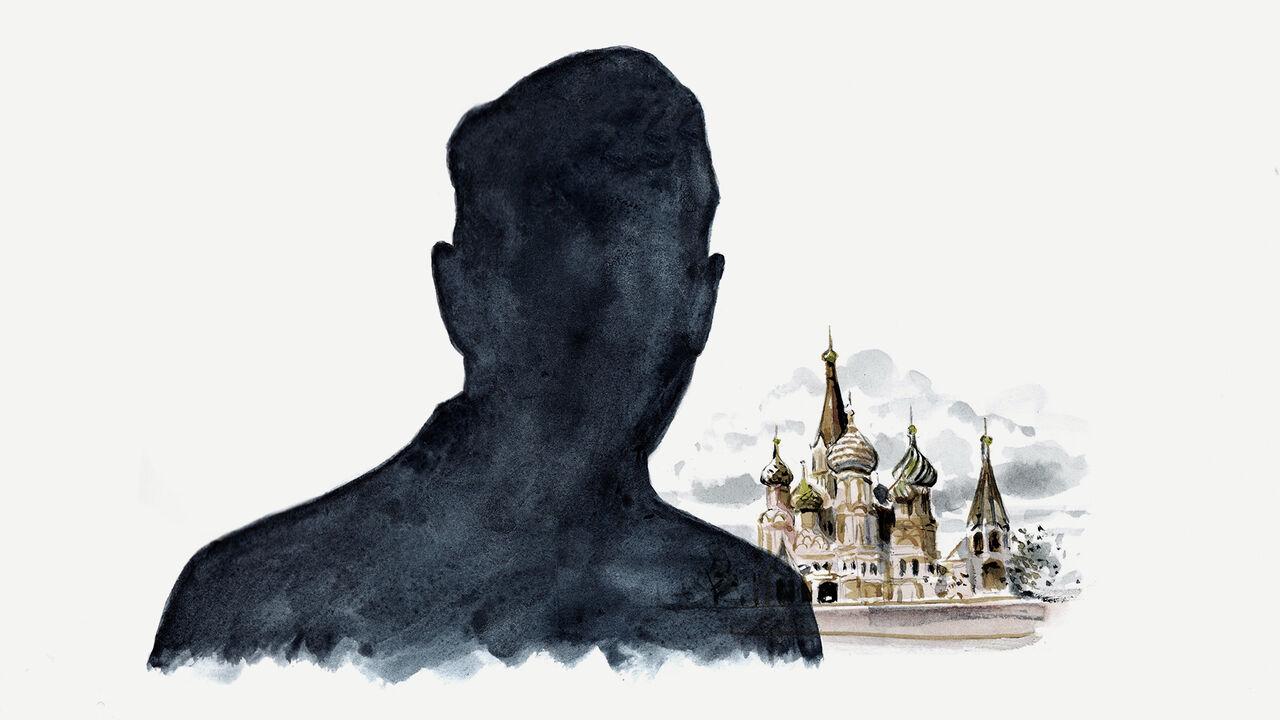
IT ARRIVED NOT as an event but as a sensation, felt everywhere at once: Vladimir Putin has led Russia into a dead-end and nobody has a map for what comes next. The first manifestation is a shift in the language used by senior officials, regional governors and businessmen: they have stopped using the first-person plural when talking about the actions of authorities in the country.
As recently as last spring, everything was “we” and “ours”. Mr Putin’s war on Ukraine may be reckless and failing, but it was shared. “We” were inside it, and it would be better for all of “us” if it ended sooner. Now they describe what is happening as “his” story, not “ours”. Not our project, not our agenda, not our war.
His decisions are described as “strange”. Even stranger is the fact that he decides anything at all. It is not only about falling approval ratings. The future is no longer discussed in terms of what Mr Putin will decide, but as something that will unfold independently of him—and possibly already without him.
This shift in language does not signal a rebellion. The authoritarian system can survive for a long time on fear, inertia and repression. It still has a monopoly on violence, but has lost its monopoly on shaping the future. In the past, the regime, for all its lies, had some project it could tout: “restoring statehood”, reasserting itself as an “energy superpower”. There was even “modernisation” before the U-turn to ultra-conservatism and war.
The irony is that Mr Putin started the war to preserve power and the system he has created. Now, for the first time since the conflict began, Russians are starting to imagine a future without him. This is down to a confluence of four factors.
First is the growing cost of fighting. The war in Ukraine was meant to be a special military operation conducted by selected groups who received financial incentives for their trouble, while the rest of society carried on as normal. This model crumbled as the war grew in length and scale. It has led to higher inflation and taxes, neglected infrastructure, increased censorship, endless prohibitions. It is not a national war, but it is paid for nationally—and society is not being offered any purpose in return.
Second is a growing demand for rules among elites who have been forced back into Russia, along with their capital. Previously their property rights were outsourced to the West. They used London courts, offshore structures and international arbitration to resolve conflicts or seek protection. Now conflicts must be resolved domestically, without functioning institutions. Demand for rules grows more urgent as redistribution of assets gathers pace.
In the past three years assets worth around 5trn roubles ($60bn) have been seized from private businessmen and either nationalised or handed to loyalists and cronies, the largest redistribution of property since the mass privatisation of the 1990s. It is not that the elites have suddenly discovered a taste for the rule of law or democracy. But even those loyal to the regime crave rules and institutions that can resolve conflicts fairly.
Third is the change in geopolitical climate that Mr Putin himself helped bring about. Russia sees itself as reshaping the global order. In reality it is a mere catalyst: Russia’s war on Ukraine has accelerated the crisis of Western democracy, the rise of populism and globalisation fatigue. Russia now finds itself in a world where rules are weak and where economic and technological strength and brute force dominate. In the rules-based world, Russia could exploit asymmetries: Europe’s dependence on its gas, its seat on the UN Security Council, the Soviet nuclear legacy. But Europe now buys its gas elsewhere, Russia’s Security Council seat has been devalued with the UN itself, and its nuclear blackmail has undermined the non-proliferation regime, depriving Russia of its status as an arbiter. When the order itself begins to crumble, the benefits of Putinist revisionism quickly disappear.
At the same time, Russia is suffering an identity crisis. For the first time in generations it lacks an external model to define itself against. Historically it defined itself in relation to Europe and the wider West. They were there to catch up with, to fall behind, to confront. That old axis is gone. The West as a single cultural, military and political entity is in crisis. There is no “there” against which one can define “here”. This is not an ideological issue. It is structural. Any development in Russia has to have an internal source of meaning—and the government is unable to provide it.
Fourth is growing ideological control without any balancing dividend. The previous social contract, whereby the state stayed out of people’s private lives while citizens stayed out of politics, has collapsed. In the past the system bought people’s loyalty with convenience, services and consumption. Now all it can offer is repression, intrusion and censorship—of which this year’s internet restrictions are the most striking manifestation.
The issue is not so much repression itself as repression without purpose. An ideology by definition presupposes an image of the future. This one demands discipline without offering one. People are required to be loyal without being told what future that loyalty serves. The political reality does not look desirable even for most of the technocrats involved in its construction. Optimism has been burned out from within.
*Running out of moves*
All four factors create a situation which in chess is known as a Zugzwang: when every move worsens the position. The system can persist for as long as Mr Putin remains in power. But his every move to preserve and expand it accelerates decay. His instinctive response may be to intensify repression. He may start another war. But these actions would only make things worse. He cannot restore the connection between power and the future. He can only make the rupture bloodier and more dangerous.

6 Comments
SS: a former senior official in the Russian government, writing anonymously, talks of growing discontent amongst Russians at the Putin regime. He puts this down to four key factors:
1. The growing cost of the war at home. A war Russians did not care about to begin with.
2. Growing elite discontent. Previously, elites could rely on systems outside of Russia (London courts, international arbitration) to settle their disputes amicably. Since being isolated 4 years ago, they have been stuck relying on the whims of the corrupt and unfair Russian system.
3. The death of the rules based order has ironically hurt Russia the most, as they benefited from exploiting this system using asymmetrical warfare rather than brute force.
4. The death of the old social contract whereby the government stays out of peoples lives as long as they stay out of politics.
Another case of “I’ll believe it, when i see it”
https://preview.redd.it/omxn4137ypzg1.png?width=2000&format=png&auto=webp&s=ff90749b3192e59ffae4fe9c9ac38ca4ec1f7aff
I think this is fourteenth time I’ve read this article in the last 5 years.
And China is 2 weeks from collapse
Because Archive.is isn’t working for this article:
IT ARRIVED NOT as an event but as a sensation, felt everywhere at once: Vladimir Putin has led Russia into a dead-end and nobody has a map for what comes next. The first manifestation is a shift in the language used by senior officials, regional governors and businessmen: they have stopped using the first-person plural when talking about the actions of authorities in the country.
As recently as last spring, everything was “we” and “ours”. Mr Putin’s war on Ukraine may be reckless and failing, but it was shared. “We” were inside it, and it would be better for all of “us” if it ended sooner. Now they describe what is happening as “his” story, not “ours”. Not our project, not our agenda, not our war.
His decisions are described as “strange”. Even stranger is the fact that he decides anything at all. It is not only about falling approval ratings. The future is no longer discussed in terms of what Mr Putin will decide, but as something that will unfold independently of him—and possibly already without him.
This shift in language does not signal a rebellion. The authoritarian system can survive for a long time on fear, inertia and repression. It still has a monopoly on violence, but has lost its monopoly on shaping the future. In the past, the regime, for all its lies, had some project it could tout: “restoring statehood”, reasserting itself as an “energy superpower”. There was even “modernisation” before the U-turn to ultra-conservatism and war.
The irony is that Mr Putin started the war to preserve power and the system he has created. Now, for the first time since the conflict began, Russians are starting to imagine a future without him. This is down to a confluence of four factors.
First is the growing cost of fighting. The war in Ukraine was meant to be a special military operation conducted by selected groups who received financial incentives for their trouble, while the rest of society carried on as normal. This model crumbled as the war grew in length and scale. It has led to higher inflation and taxes, neglected infrastructure, increased censorship, endless prohibitions. It is not a national war, but it is paid for nationally—and society is not being offered any purpose in return.
Second is a growing demand for rules among elites who have been forced back into Russia, along with their capital. Previously their property rights were outsourced to the West. They used London courts, offshore structures and international arbitration to resolve conflicts or seek protection. Now conflicts must be resolved domestically, without functioning institutions. Demand for rules grows more urgent as redistribution of assets gathers pace.
In the past three years assets worth around 5trn roubles ($60bn) have been seized from private businessmen and either nationalised or handed to loyalists and cronies, the largest redistribution of property since the mass privatisation of the 1990s. It is not that the elites have suddenly discovered a taste for the rule of law or democracy. But even those loyal to the regime crave rules and institutions that can resolve conflicts fairly.
Third is the change in geopolitical climate that Mr Putin himself helped bring about. Russia sees itself as reshaping the global order. In reality it is a mere catalyst: Russia’s war on Ukraine has accelerated the crisis of Western democracy, the rise of populism and globalisation fatigue. Russia now finds itself in a world where rules are weak and where economic and technological strength and brute force dominate. In the rules-based world, Russia could exploit asymmetries: Europe’s dependence on its gas, its seat on the UN Security Council, the Soviet nuclear legacy. But Europe now buys its gas elsewhere, Russia’s Security Council seat has been devalued with the UN itself, and its nuclear blackmail has undermined the non-proliferation regime, depriving Russia of its status as an arbiter. When the order itself begins to crumble, the benefits of Putinist revisionism quickly disappear.
At the same time, Russia is suffering an identity crisis. For the first time in generations it lacks an external model to define itself against. Historically it defined itself in relation to Europe and the wider West. They were there to catch up with, to fall behind, to confront. That old axis is gone. The West as a single cultural, military and political entity is in crisis. There is no “there” against which one can define “here”. This is not an ideological issue. It is structural. Any development in Russia has to have an internal source of meaning—and the government is unable to provide it.
Fourth is growing ideological control without any balancing dividend. The previous social contract, whereby the state stayed out of people’s private lives while citizens stayed out of politics, has collapsed. In the past the system bought people’s loyalty with convenience, services and consumption. Now all it can offer is repression, intrusion and censorship—of which this year’s internet restrictions are the most striking manifestation.
The issue is not so much repression itself as repression without purpose. An ideology by definition presupposes an image of the future. This one demands discipline without offering one. People are required to be loyal without being told what future that loyalty serves. The political reality does not look desirable even for most of the technocrats involved in its construction. Optimism has been burned out from within.
*Running out of moves*
All four factors create a situation which in chess is known as a Zugzwang: when every move worsens the position. The system can persist for as long as Mr Putin remains in power. But his every move to preserve and expand it accelerates decay. His instinctive response may be to intensify repression. He may start another war. But these actions would only make things worse. He cannot restore the connection between power and the future. He can only make the rupture bloodier and more dangerous.