
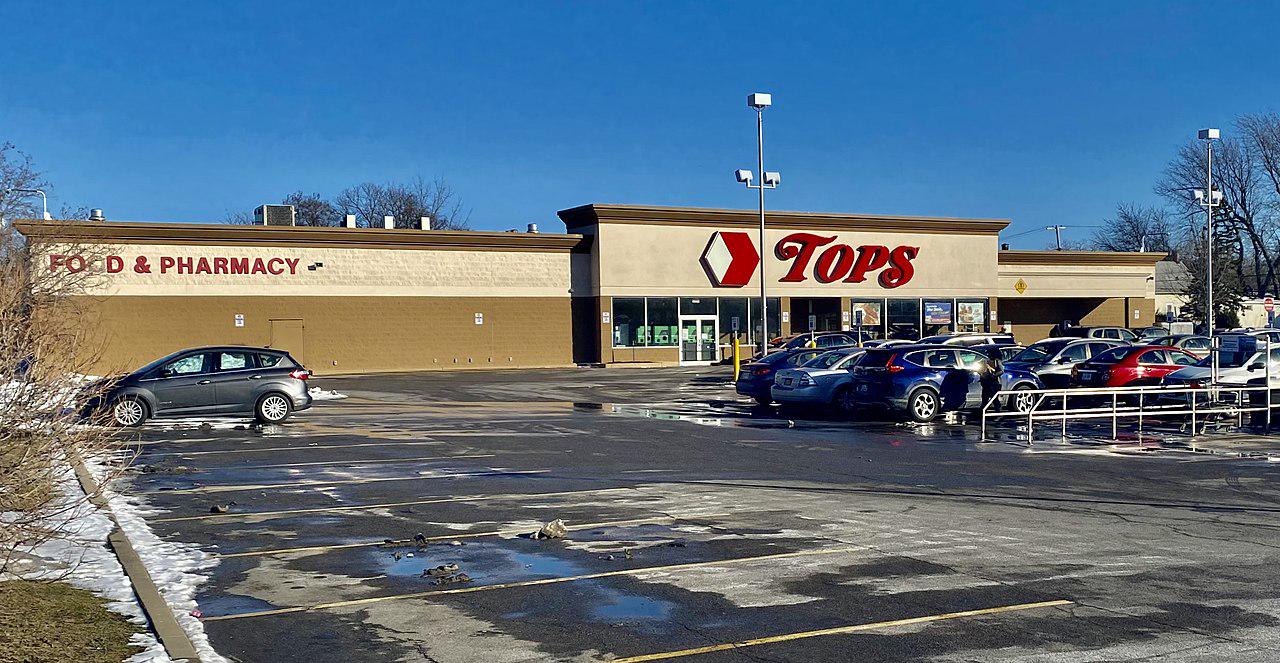
On this day four years ago in Buffalo, USA, a mass shooting took place in which 10 people were killed; all the victims were African American. During the attack, the 18-year-old gunman livestreamed the events online; prior to the attack, he had written a manifesto in which he described himself as a white supremacist. One of those killed was security guard Aaron Salter, Jr., who was conducting independent research into electrolysis and developing a propulsion system that used water as fuel.
Aaron had served in the police force for 27 years. After retiring, he took a job as a security guard at a supermarket, where a mass shooting took place on this day four years ago. Salter was armed and opened fire on the attacker, who was wearing tactical gear and a bulletproof vest. The gunman returned fire at Aaron Salter, who died from his injuries at the scene. Although he failed to stop the attacker, his actions bought the time needed for other staff and customers to barricade themselves in the staff room, which saved their lives.
Aaron Salter, Jr. was posthumously hailed as a hero, although, unlike the attacker, he has never been given his own page on the English Wikipedia. If you type his name into a search engine, you will find numerous news articles mentioning him almost exclusively in the context of the mass shooting in Buffalo. For example, a year ago, Congressman Timothy M. Kennedy proposed naming a bill banning the civilian possession of military body armour after Aaron Salter, Jr. And on the specialised fact-checking website PolitiFact, run by the Poynter Institute, there is a separate page stating that: “Salter was indeed working on water-powered vehicle technology. But there is no evidence backing the claim that he was targeted because of it.”
However, just four years on, there is little information available online regarding Salter’s own research into electrolysis. His LinkedIn profile remains, with a link to a patent in his name (Method and system for utilising a by-product of electrolysis, US20160025000A1), as well as posts by other users on various social media platforms regarding this aspect of his work. Most of them refer to a 30-second clip from an interview in which he demonstrated his modified Ford F150 in action. Almost all of Aaron’s interviews are now unavailable at their original URLs, but enthusiasts have managed to preserve a couple of them.
Posted by ivanzlax