
I recently spent days researching Delhi’s waste-to-energy plants, landfill sites, pollution reports, NGT orders, CPCB inspections and health studies.
Honestly, I knew Delhi had a pollution problem.
But I didn’t realize how deep the garbage problem actually goes.
Most people think Delhi’s pollution only comes from cars, stubble burning and factories.
But there’s another side people rarely talk about:
Waste-to-Energy plants + landfill pollution.
Delhi currently has major waste plants in:
- Okhla
- Ghazipur
- Bawana
- Tehkhand
These plants are supposed to burn waste and generate electricity.
Sounds good on paper.
But the problem is:
India’s waste is usually mixed waste.
Plastic, food waste, chemicals, batteries, medical waste — everything often gets burned together.
And according to official inspections and NGT records, multiple Delhi plants have faced pollution-control issues over the years.
One official inspection found:
- Dioxin/Furan exceedances
- Particulate matter exceedances
- Hydrogen chloride exceedances
Now here’s the scary part.
Dioxins and furans are not normal pollutants.
They are among the most toxic chemicals linked with waste burning.
WHO links long-term exposure to:
- hormone disruption
- immune-system damage
- reproductive problems
- developmental issues
- nervous-system damage
Then there’s heavy metals.
Independent investigations around Okhla reportedly found dangerous levels of:
- cadmium
- lead
- arsenic
- manganese
And these are not harmless substances.
Lead can affect brain development in children.
Cadmium can damage kidneys and lungs.
Arsenic is linked with cancer risks.
Even worse:
This is not only about smoke.
The problem is connected to:
- toxic ash
- landfill fires
- groundwater contamination
- leachate leakage
- dust pollution
- truck movement
- open dumping
Ghazipur especially has repeatedly faced concerns over untreated leachate and landfill overflow.
And when landfill fires happen, PM2.5 levels can spike massively.
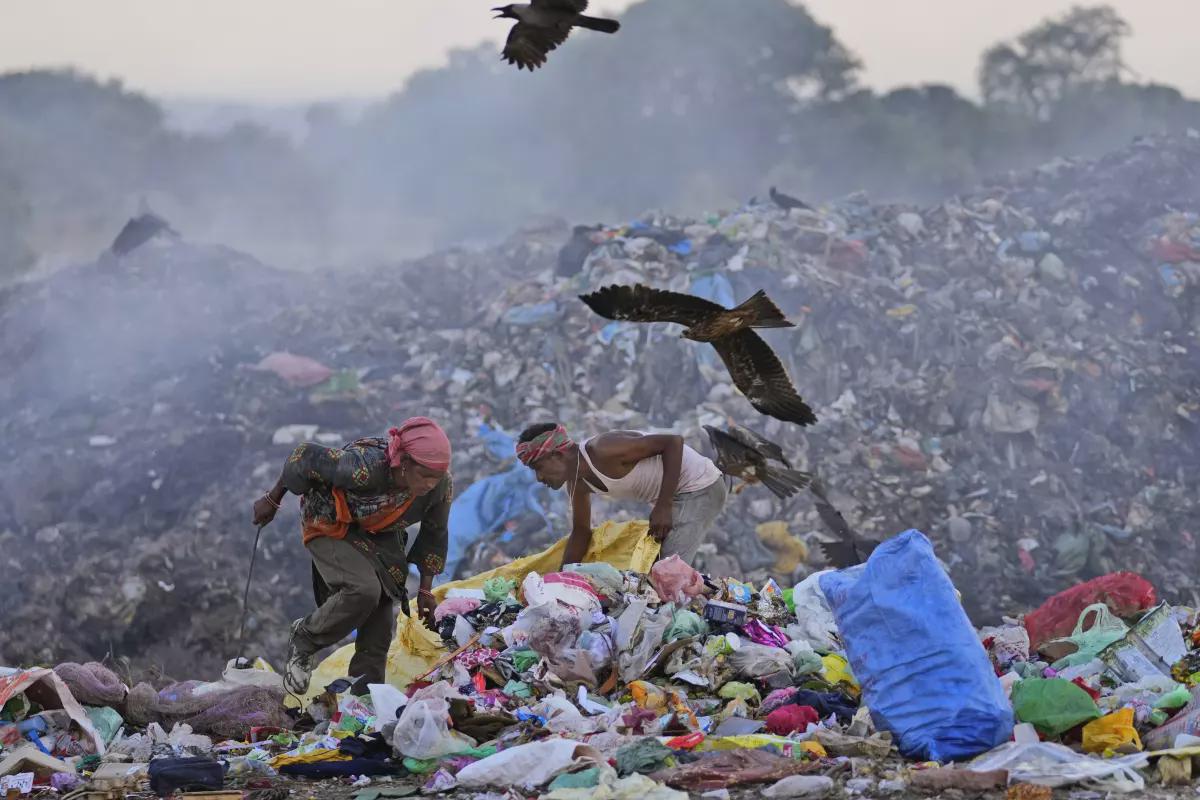
What shocked me most is how close people live to these places.
Some schools, colonies and hospitals are located very near these sites.
Sukhdev Vihar near Okhla has been part of environmental disputes for years.
Now I’m not saying every disease in Delhi comes from these plants.
That would be irresponsible.
But the exposure pathways are real.
The inspections are real.
The pollution findings are real.
The health risks of these pollutants are scientifically established.
And honestly…
it feels like most people have just accepted this as “normal city life”.
Imagine children growing up near garbage mountains, toxic dust, smoke and ash… and society acting like this is okay.
The saddest part?
Most residents don’t even know what pollutants they are breathing around these areas because public transparency is still weak.
People deserve:
- real-time pollution data
- transparent monitoring
- proper waste segregation
- safer waste management
- public health studies
- accountability
Because this is not just a “garbage problem”.
It’s a public health problem.
If you live in Delhi:
Have you ever noticed strange smell, ash, breathing issues or smoke near landfill/WTE areas?
Or do you think people are exaggerating this issue?
Sources / References:
• National Green Tribunal (NGT) inspections and compliance concerns regarding Delhi WTE plants:
"indianexpress.com" (https://reference-url-citation.invalid/0)
• CPCB report mentioning Delhi’s four operational Waste-to-Energy plants:
"timesofindia.indiatimes.com" (https://reference-url-citation.invalid/1)
• Official report mentioning compliance issues including dioxin/furan exceedances:
"financialexpress.com" (https://reference-url-citation.invalid/2)
• 2025 CPCB–DPCC audit summary:
"ptinews.com" (https://reference-url-citation.invalid/3)
• Historical NGT and DPCC concerns around Okhla:
"timesofindia.indiatimes.com" (https://reference-url-citation.invalid/4)
• Okhla plant environmental controversy and eco-sensitive zone concerns:
"indianexpress.com" (https://reference-url-citation.invalid/5)
• Ghazipur landfill leachate and contamination concerns:
"timesofindia.indiatimes.com" (https://reference-url-citation.invalid/6)
• Recent NGT direction for revised WTE norms and compliance findings:
"timesofindia.indiatimes.com" (https://reference-url-citation.invalid/7)
• WHO Air Pollution Health Effects:
"who.int" (https://reference-url-citation.invalid/8)
• WHO information on dioxins and toxic exposure:
"who.int" (https://reference-url-citation.invalid/9)
• Reddit discussions and community reactions:
"reddit.com" (https://reference-url-citation.invalid/10)
"reddit.com" (https://reference-url-citation.invalid/11)
I’m sharing this for awareness and discussion — not to spread panic or misinformation.
Posted by AmitMudgil