
Ruling coalition overcomes divisions to agree longer Sunday opening hours and tighter sick-leave rules
German Chancellor Friedrich Merz has unveiled €10bn in tax cuts for the middle class as part of a package of measures intended to jolt Europe’s largest economy out of stagnation and shore up support for his unpopular coalition government.
Under the new rules outlined on Thursday, a family with two children earning €60,000 a year will receive more than €600 in annual tax relief. The relief will be funded by raising the top marginal tax rate for the highest earners from 45 per cent to 47 per cent.
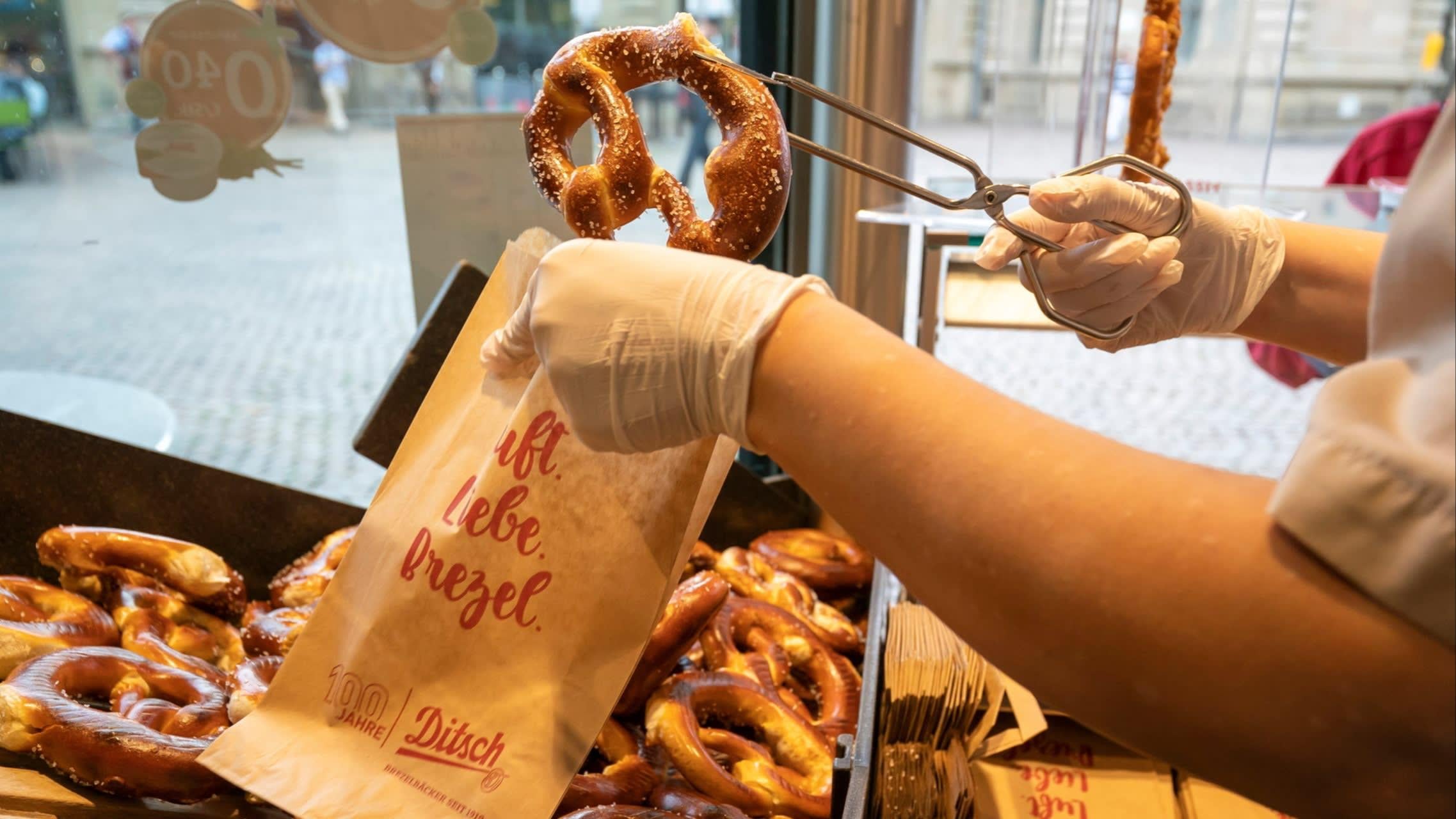
Merz’s Christian Democrats and their Social Democrat coalition partners also agreed a series of labour market reforms, including longer Sunday opening hours for cafés and bakeries, expanded tax incentives for employees working on public holidays and allowing companies to hire workers on fixed-term contracts of up to eight years.
The package follows fraught negotiations and points to a new truce within Merz’s coalition, which spent much of its first year in office mired in disputes — reviving memories of the infighting that brought down Germany’s previous government in 2024.
“Today is a good day for Germany,” Merz told reporters at the end of the marathon discussions in the chancellery.
Confronted with falling approval ratings, weak business sentiment and a surge in support for the far-right Alternative for Germany, the ruling coalition has tried to regain momentum by showing it can still strike significant compromises. Last week, it endorsed proposals from an independent commission to overhaul the country’s costly pay-as-you-go pension system.
Other agreed measures include ending employees’ ability to obtain sick-leave certificates from their doctors by phone, a Covid-19-era practice blamed for Germany’s relatively high level of sickness absence compared with other European countries. Workers will also be required to file their certificates on the first day of leave, rather than the third, as is currently the case.
The government also wants to make it easier to lay off higher-earning employees, a move intended to attract start-ups in high-paying sectors such as biotech.
Holger Schmieding, chief economist at Berenberg, described the package as “a lot of small steps” which, combined with planned reforms of the country’s welfare system, could “add up to major progress”.
“None of the many reforms on which the German government agreed last night will be groundbreaking on its own,” Schmieding said. “If implemented, Germany will become a better — or at least a significantly less bad — place to invest and create jobs again.”
“There is no single ‘Big Bang’ solution that will sort everything out,” Merz admitted on Thursday.
After winning elections last year, Merz relaxed the constitutional debt brake, unlocking more than €1tn in additional borrowing capacity for infrastructure and defence in the next decade. Yet the export-oriented economy has remained mired in stagnation, hit by US tariffs, Chinese competition in key industrial sectors and persistently high energy costs.
“The package is designed to boost long-term potential growth, but also business sentiment,” a person directly involved in the negotiations said. “It was important to show that the government can deliver.”
A government insider said the tax cuts were less ambitious than initially planned, but described a “much improved working atmosphere” within the coalition compared with earlier this year. At the centre of that dispute lay the promise of tax cuts for small- to middle-earning households.
Merz had then come close to a deal with vice-chancellor and SPD co-leader Lars Klingbeil on a compromise for up to €27bn in tax cuts. But senior CDU figures had resisted funding the measures through higher taxes on top earners, fearing a backlash from the family business owners that form the German Mittelstand.
“Today’s reform package is finally a clear sign that Germany is at last moving,” Carsten Brzeski, global head of Macron at ING, said. “A departure away from moaning and analysing, towards tangible action.”
Posted by IHateTrains123
4 Comments
Oh wow. Between this and the pension reform, turns out this zombie coalition still has some life left in it
Funny caveat: they want to finance some of the income tax reform with an increase of the tax on Minijobs (jobs until 603€/month on which no social security contributions are paid by employees) which they want to eliminate in the pension reform
It’s good that they do something, and perhaps this package is the maximum such a coalition of necessity can do, even if it’s full of compromises. Has some neoliberal touches here and there.
Perhaps interesting for this sub: The package also includes a federal ban (or perhaps preemptive regulation) on the nationalization of privately held flats, which is something the Berlin Left in particular wants to do, despite it being a very stupid idea of course. There are some constitutional questions, but it some version of it might be possible.
I can reluctantly agree with Merz here that these reforms are mostly good.
However, abolishing sick-leave certificates by phone, and mandating them from the first day of sick leave, is farcical to anyone familiar with the German healthcare system. There is a broad lack of doctors and endless waiting times; the last thing we need is to give doctors even more to do. I’ve also seen memes of this backfiring, where a doctor provided a certificate for a whole week where it might not have been necessary. I think this part specifically is counter-productive. I can also see it creating an incentive for doctors to write longer sick notes than necessary so they won’t have to write another one for some time.
I would also go as far as suspecting that the difficult access to mental health care in Germany is at least partially to blame for the above-average sickness absence.