SS: It took 58 days without food to change India’s map.
When Potti Sriramulu began fasting in October 1952, he was asking for something then prime minister Jawaharlal Nehru had repeatedly resisted: a separate state for Telugu speakers. Sriramulu, a quiet Gandhian who had already undertaken several fasts for social causes, believed only self-sacrifice could force Delhi to listen.
It did.
On the 58th day, Sriramulu died. Crowds poured onto the streets across the Telugu-speaking regions. Government buildings were attacked, railway lines blocked and several reportedly died in the unrest that followed. Days later, Nehru announced the creation of Andhra state. Within a few years came the States Reorganisation Commission and the linguistic remaking of India.
Few individual protests have left such an imprint on the republic. “Potti Sriramulu is a forgotten man today. This is a pity, for he had a more than minor impact on the history, as well as geography of his country,” historian Ramachandra Guha has written. One man’s empty stomach had helped redraw the world’s largest democracy.
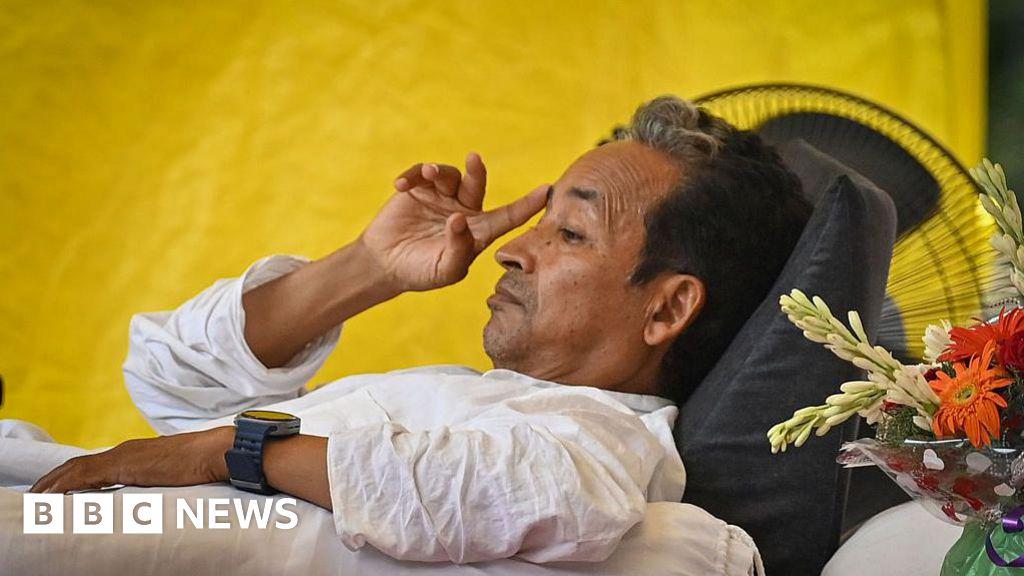
That may also explain why, more than seven decades later, Indians continue to reach instinctively for the hunger strike. The latest reminder is educationist and climate activist Sonam Wangchuk, whose indefinite fast has prompted growing concern over his rapidly deteriorating health.
East_Section7421 on
Cause hunger strike is the only way to make the centre right middle class force the government to change.
WAGRAMWAGRAM on
Because it worked before so it’s part of the “legacy”. Same reason Buddhists self-immolate.

3 Comments
SS: It took 58 days without food to change India’s map.
When Potti Sriramulu began fasting in October 1952, he was asking for something then prime minister Jawaharlal Nehru had repeatedly resisted: a separate state for Telugu speakers. Sriramulu, a quiet Gandhian who had already undertaken several fasts for social causes, believed only self-sacrifice could force Delhi to listen.
It did.
On the 58th day, Sriramulu died. Crowds poured onto the streets across the Telugu-speaking regions. Government buildings were attacked, railway lines blocked and several reportedly died in the unrest that followed. Days later, Nehru announced the creation of Andhra state. Within a few years came the States Reorganisation Commission and the linguistic remaking of India.
Few individual protests have left such an imprint on the republic. “Potti Sriramulu is a forgotten man today. This is a pity, for he had a more than minor impact on the history, as well as geography of his country,” historian Ramachandra Guha has written. One man’s empty stomach had helped redraw the world’s largest democracy.
That may also explain why, more than seven decades later, Indians continue to reach instinctively for the hunger strike. The latest reminder is educationist and climate activist Sonam Wangchuk, whose indefinite fast has prompted growing concern over his rapidly deteriorating health.
Cause hunger strike is the only way to make the centre right middle class force the government to change.
Because it worked before so it’s part of the “legacy”. Same reason Buddhists self-immolate.