
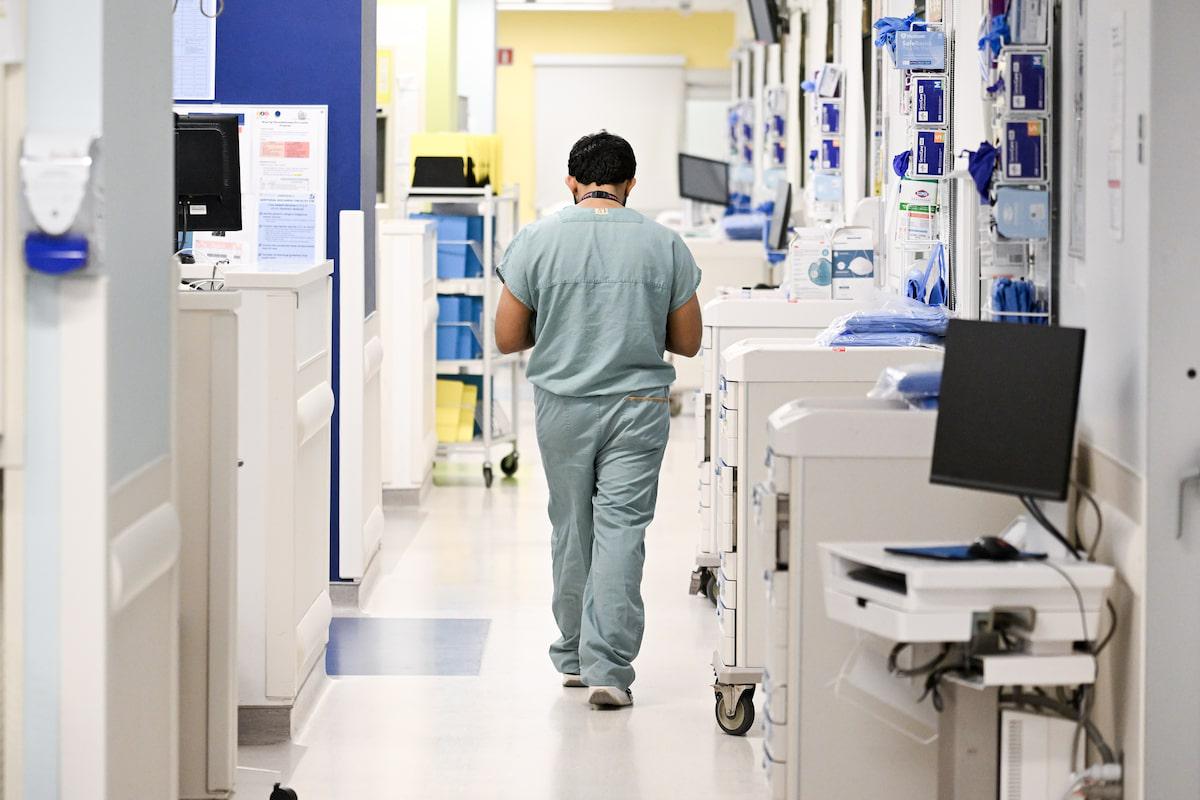
Burnout among Canadian emergency room doctors is high, with almost half of respondents in a recent survey reporting they had reduced their work hours, while 10 per cent had left the specialty, a newly published study says.
The findings, published Monday in the Canadian Medical Association Journal, stem from a 2025 survey conducted among 410 emergency medicine physicians in all provinces, as well in the Northwest Territories, but not in Nunavut and Yukon.
Of the total respondents, 48 per cent said they reduced clinical hours, and 20 per cent had taken time off from working in emergency medicine.
The study said that “women and younger participants reported higher levels of burnout, as did emergency physicians who had reduced their clinical hours.”
As well, the study found that 65 per cent of respondents scored high for either heightened emotional exhaustion, depersonalization or both. Depersonalization is when a person feels detached from their thoughts and body.
“Respondents pointed to a broken health care system, unrealistic societal expectations, and insurmountable workplace challenges as reasons for burnout,” the study said.
The findings build on previous research on a pressing national problem: Doctors who work in overcrowded ERs are experiencing burnout to the point that some do not want to work in that environment.
From coast to coast, physicians in general, regardless of their area of practice, frequently say their work is taking an emotional toll on them, including some experiencing distress.
Last year, the Canadian Medical Association reported high rates of burnout and depression among the country’s doctors five years after the onset of the COVID-19 pandemic.
The CMA, a national organization that represents doctors and medical learners, said data from its 2025 National Physician Health Survey show doctors are still struggling with “excessive workloads, exhaustion and burnout — leading some to reduce clinical hours or consider leaving practice altogether."
For the new CMAJ study, researchers asked participants who enrolled in a study on ER physician wellness in April, 2020, if they would like to participate in three follow-up surveys: in November, 2020; September, 2022; and January, 2025.
The authors then analyzed responses from 2025 and identified themes that explain causes of burnout, as well as consequences and tools used by doctors to remain on the job.
The median age of a participant was 41, and 54 per cent worked in Ontario, 14 per cent in Quebec and 10 per cent in British Columbia. These demographics are similar to the participants who registered for the original study in April, 2020.
Kerstin de Wit, an emergency room physician at Kingston Health Sciences Centre and a Queen’s University professor, is one the study’s co-authors. She said a theme in the findings is “the health care system is broken.”
“We found repeated references to the emergency department making up for system inadequacies, with fewer resources and little support, and the expectation that the situation will worsen,” Dr. de Wit said.
“For many, the future of emergency medicine was hopeless, with no possibility of recovery,” she said.
ER physicians reported they often experienced blame about wider problems in the health care system and how this was “demoralizing.”
“Workplace challenges included extremely high patient volumes and long wait times, leading to patient assessments in corridors and waiting rooms, with resultant substandard care,” the study said.
“Additional challenges included lack of primary care to follow up with patients, and reduced access to or long waits for specialist clinic appointments. Participants noted they rarely had access to the appropriate services to help.”
Survey participants also commented on a lack of accountability at every level of health care institutions.
“Anger was directed toward hospital and political leaders, and occasionally toward patients,” the study said.
In a related editorial, Catherine Varner, an emergency physician and deputy editor at the CMAJ, wrote about how "collective distress and quiet attrition signals a serious threat."
“Canada’s 50-year investment in developing a highly effective fleet of physicians with specialized or additional training in emergency medicine, who provide 24-hour coverage to most emergency departments across the country, could be squandered,” Dr. Varner wrote.
The study also detailed strategies discussed among participants to help them stay in ER medicine, which could be facilitated by provincial, regional and institutional health leaders.
“Prevailing strategies included reducing their shift load, taking on a new professional role, and changing health care organizations,” it said.
The need for reforms in health care was discussed in Charlottetown last week, at a First Ministers’ meeting. Premiers are concerned that significant levels of federal funding in health care agreements between Ottawa and the provinces and territories are set to expire in March, 2027. They warn this will result in a “fiscal cliff.”
A statement from the First Ministers said they agreed to direct their health and finance ministers to discuss longer-term funding and productivity in the sector.
Posted by IHateTrains123