
TOKYO — South Korea and Taiwan each surpassed Japan in total exports for the first time during the first half of 2026, according to a Nikkei analysis.
While South Korea and Taiwan saw exports surge on booming demand for semiconductors used for artificial intelligence, Japan benefited less because its strengths lie mainly in semiconductor materials and manufacturing equipment. The results reflect Japan's lag in supplying the finished products most in demand globally.
The findings are based on an analysis of trade statistics from Japan, South Korea and Taiwan, supplemented by data from the Japan External Trade Organization (JETRO) and U.N. Comtrade database converted into dollars, with assistance from Mitsubishi UFJ Research and Consulting.
Japan's exports totaled $384.4 billion in the January-June period, compared with $496.3 billion for South Korea and $416.6 billion for Taiwan. While Japan's exports increased by nearly 10% year over year, South Korea and Taiwan each posted gains approaching 50%.
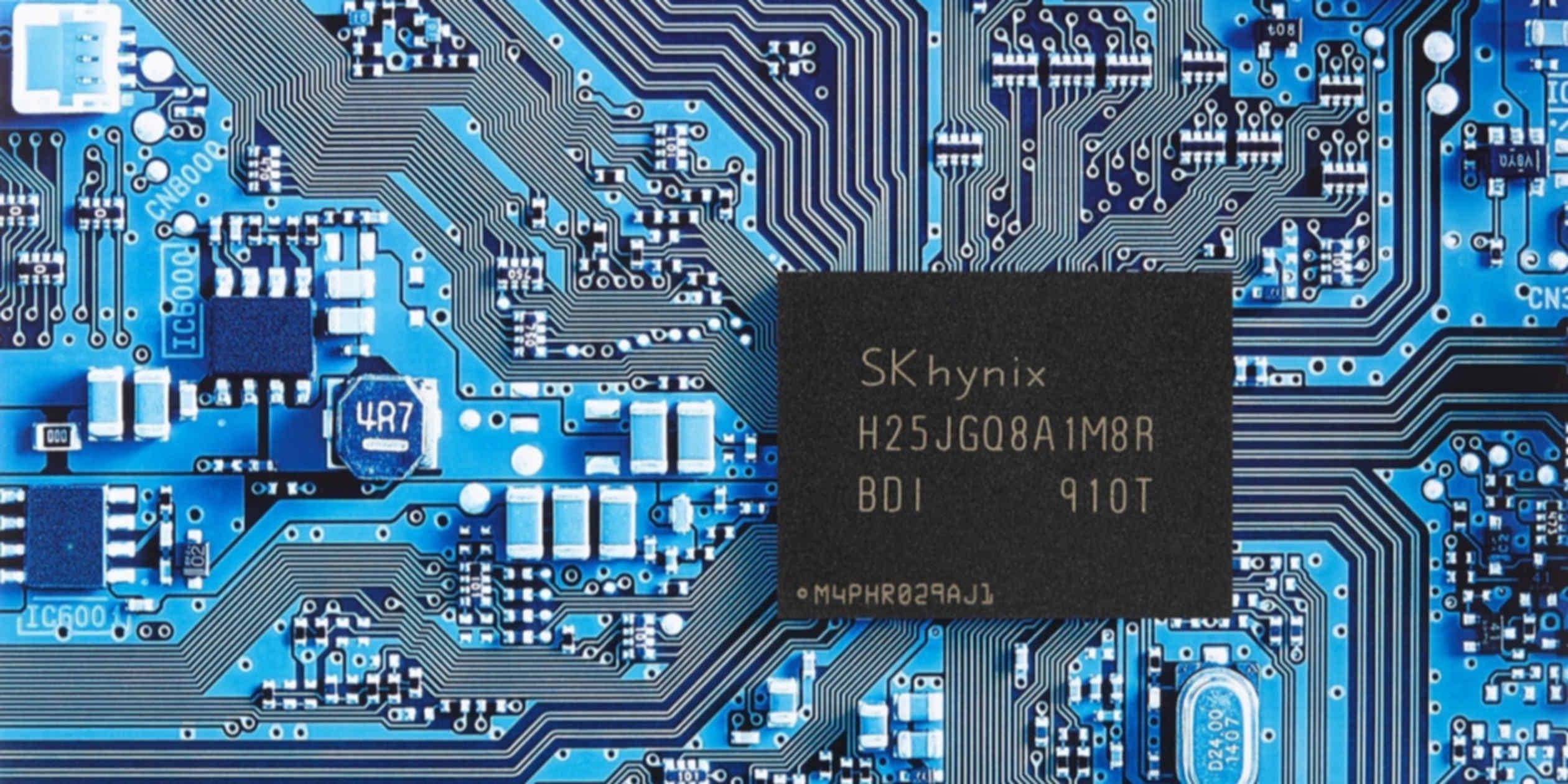
Behind the trend was explosive growth in demand for semiconductors used for AI. Advanced chips are produced by Taiwan's TSMC and Hon Hai Precision Industry, and South Korea's Samsung Electronics and SK Hynix.
Integrated circuit exports totaled $149 billion in South Korea and $133 billion in Taiwan during the first half, representing about 30% of each economy's total exports. South Korea's exports in the six-month period alone surpassed those for all of 2025. Japan's exports of integrated circuits totaled just $21.2 billion, or around 5% of overall exports.
Japan has a competitive advantage in semiconductor manufacturing equipment and materials. Japanese companies including Tokyo Electron, Advantest and Lasertec hold leading positions in global markets and have capitalized on AI-related demand through the global expansion of chip production capacity.
Japan's exports of semiconductor manufacturing equipment totaled $15 billion in the first half, well above South Korea's $5.2 billion and Taiwan's $3.5 billion. Yet Japan remained behind because South Korea and Taiwan produce high-value advanced chips, finished products whose market is expanding rapidly.
"Japan has a competitive advantage in upstream processes, including chip design and manufacturing equipment," said Kenta Maruyama of Mitsubishi UFJ Research and Consulting. "Even if chip exports rise globally, shipments of materials and manufacturing equipment are less likely to grow rapidly."
The yen's historic weakness has depressed the dollar value of Japan's exports. But currency movements cannot fully explain the outcome, as both the South Korean won and the New Taiwan dollar have also trended lower against the dollar.
Nor can the gap be explained solely by the AI chip boom.
Japan's export volume index, which excludes price fluctuations to measure changes in shipment volumes, has remained largely flat since peaking before the 2008 global financial crisis.
Posted by liuqiu_rangers