
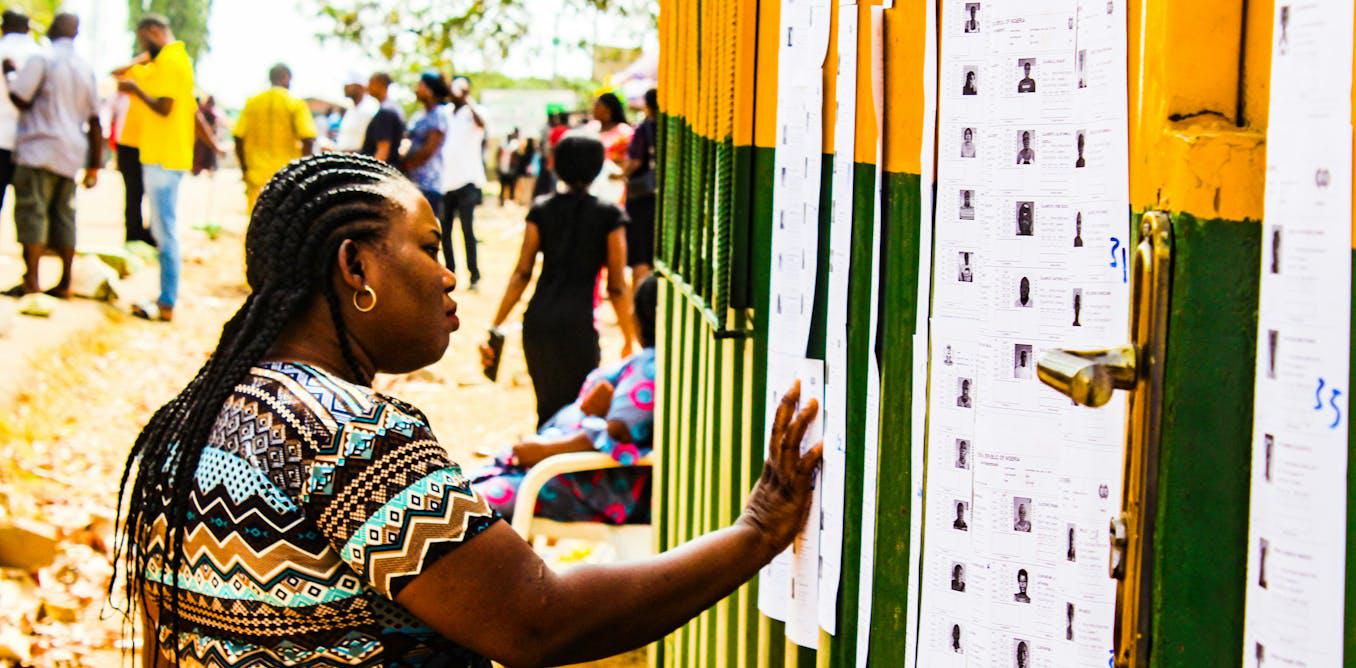
This is an interesting article that studies the economics of running for Parliament in Malawi.
Running for a seat as an MP costs tens of thousands of dollars. The political culture in Malawi requires candidates to undertake shows of community leadership like sinking a borehole or helping struggling families by buying household goods.
The need to raise funds for campaigning leads to clientelism and patronage which in turn corrupts democracy.
I find this interesting when read in light of de Mesquita's Selectorate Theory (see CGP Grey's video Rules for Rulers). The economics of holding a position of power determines the susceptibility of a country to corruption or capture by a small coalition. In that theory, all of politics is just patronage. A democracy is a patronage system where the politician loses control of the supply and demand for patronage to stay in power, and end up having to just grow the economy broadly in order to stay in power. Acemoglu's "inclusive institutions" are just an indirect and inefficient patronage system with extraordinarily positive results. That's an extremely rough explanation, but it's close enough.
I am posting this article because it is an interesting lens through which to study democratization: not through political institutions but through political financing.
Posted by Top_Lime1820
1 Comment
I wonder where else these lessons might be applied…
It makes sense within liberal theories of governance. When something is cheaper it becomes more available to access. Ensuring that candidacy remains affordable and therefore access remains widespread is a key function of modern democratic governance.Narrowing who has access even while ostensibly being a democracy ensures patronage/authoritarianism-lite.