
Why is this important?
Marathwada has been subject to a long-running agrarian crisis, and now climate change is making it even worse. This article examines the failures that are worsening the drought: farmers not preparing, insufficient government support, and a rapidly shifting climate. This article is important in discussing how climate change is impacting vulnerable parts of the world.
Posted by ewatta200
1 Comment
**Chhatrapati Sambhajinagar/Beed/Jalna:** The Spanish term El Niño has slipped seamlessly into the rural Marathi lexicon this year. For a region used to repeated droughts, this year hit different. Wells usually dry up by December. But it is only October, and villages across Maharashtra’s Marathwada region are already scrambling for water.
[](https://vdo.ai/contact?utm_medium=video&utm_term=theprint.in&utm_source=vdoai_logo)
LATES[](https://theprint.in/entertainment/with-great-power-comes-a-street-sign-queens-names-road-after-spider-man/3070121/?utm_campaign=theprint&utm_medium=ticker&utm_source=vdoai_ticker)
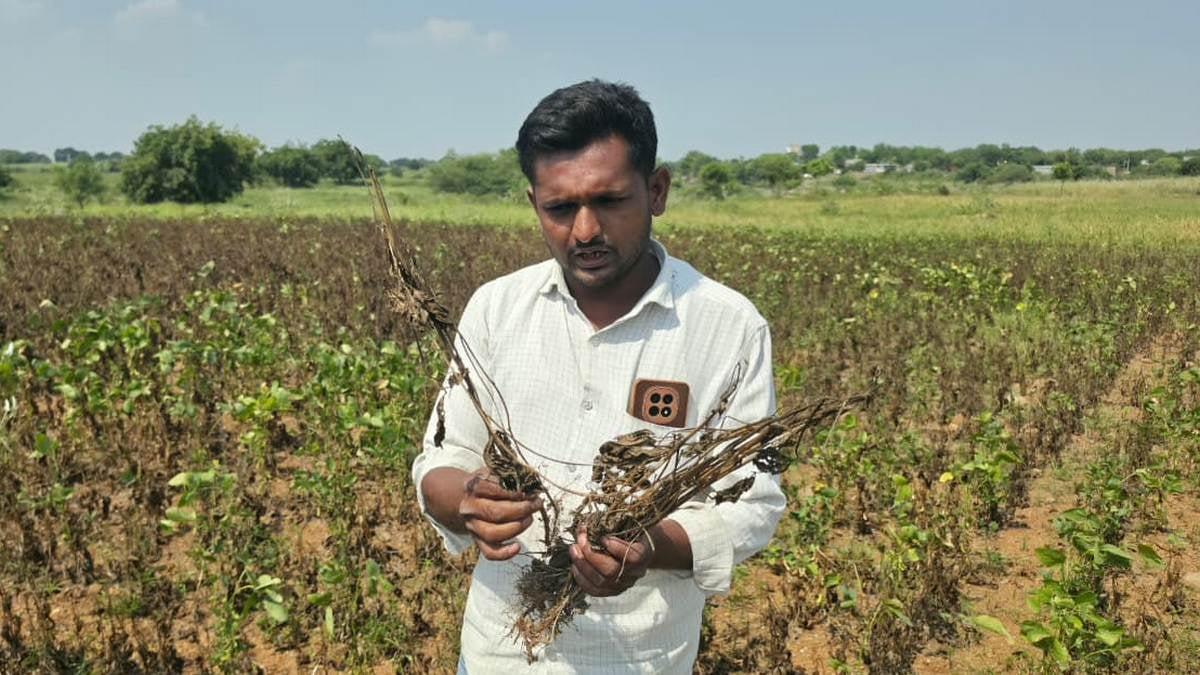
Taps have run dry, fields lie cracked and parched, and families are guarding every mug of water as though it is gold.
It isn’t as if they didn’t know what was coming.
In March, government authorities had started warning villages about the impending El Niño, a global climate phenomenon that can bring a [drier monsoon to India](https://theprint.in/environment/2026-el-nino-strongest-on-record/2986859/). But abundant rain in June lulled farmers into a false sense of security.
Many went ahead and invested money, seeds and scarce water in their sugarcane, cotton and soybean fields, paying little heed to the forecasts. Now, as the rainfall deficit deepens, the earlier warnings have come true. For farmers, it is already too late.
Marathwada is staring at what could be its worst drought in decades, with 74 of the region’s 76 talukas [declared](https://indianexpress.com/article/cities/mumbai/maharashtra-drought-monsoon-not-over-but-marathwada-turns-to-tankers-as-water-sources-run-dry-10899875/) drought-hit. For older farmers, it is evoking memories of the devastating 1972 drought, one of the worst in Maharashtra’s post-Independence history and a watershed moment in the state’s agrarian crisis.
A trough filled with stagnant water in Kandari village, Jalna district. Water supplies are so low that residents are buying buckets of water from well owners for Rs 100 each | Photo: Soumya Pillai | ThePrint
And yet, nothing appears to have changed. No lessons have been learned from past crises and farming practices remain stubbornly unchanging. Water-guzzling crops continue to be grown, investment in sustainable agriculture and water conservation is still inadequate, and the state goes through its rinse-repeat drought cycle.
“We surveyed the agricultural lands in our village and we only have enough to get us through 15 more days. We have met the government authorities to start supplying us with water tankers. We have never seen such a crisis in October,” said Chakradhar Hendre, panchayat secretary of Ambesawali village in Beed district.
Our initial assessment shows that we only have about 31 per cent water in our reservoirs and just enough cattle fodder to see us through till February. But if the dry spells continue, we might be facing a problem
– Vinay Gowda, Chhatrapati Sambhajinagar district magistrate
>
Ambesawali is no stranger to drought. But for the past two years, it was battling floods, with roads and fields inundated. Nobody imagined the village would swing from too much water to almost none so quickly, according to Hendre.
India Meteorological Department (IMD) data shows that the southwest monsoon withdrew from Marathwada with a rainfall shortfall of about 39 per cent, the highest in the state, followed by Vidarbha at about 27 per cent. On 25 September, the Maharashtra government issued a resolution officially [declaring drought](https://theprint.in/india/maharashtra-declares-drought-in-265-talukas-or-nearly-three-fourths-of-state-announces-relief-measures/3054295/) in 265 talukas across the state, including in Latur, Beed, Chhatrapati Sambhajinagar, Jalna, Dharashiv and Nanded.
Madhavan Nair Rajeevan, former secretary of the Ministry of Earth Sciences (MoES) and a senior researcher specialising in monsoon variability and predictions, warned that the coming months are looking grim.
“For India, the deficient monsoon is likely to have implications for agricultural production and water availability, particularly in regions already experiencing water stress. However, it will not end there. We should expect continued influences of this strong El Niño during the coming months. The ensuing winter could be warmer than normal, followed by a potentially hot and challenging pre-monsoon season, with an increased risk of severe heatwave events,” he said.