
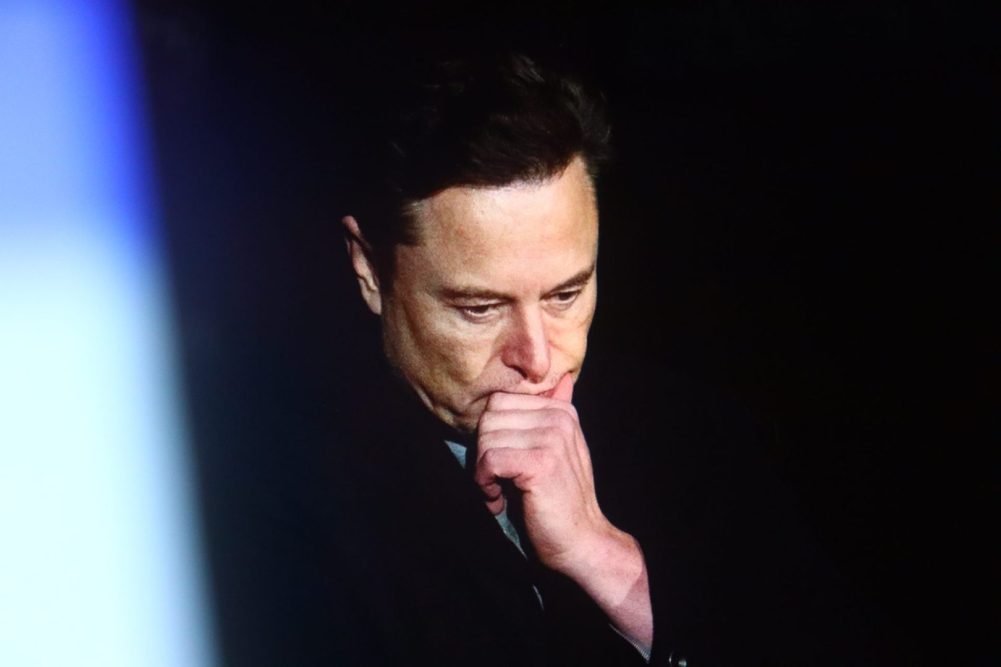
Elon Musk made a promise, and now there is footage to judge it by. After months of criticizing Christopher Nolan’s big screen take on Homer’s ancient epic, the billionaire pledged that artificial intelligence could deliver something more faithful. The first seven minutes have finally arrived, and they raise a bigger question about what makes a story land.
What did Elon Musk promise about the Odyssey?
Musk’s complaints about Nolan’s film centered heavily on casting, including the choices of Lupita Nyong’o and Elliot Page. He argued the director traded historical accuracy for Hollywood tastes, and his phrasing drew sharp pushback from critics who pointed out that the poem is rooted in myth rather than documented history.
Rather than let the matter drop, he vowed to produce a full length alternative using Grok Imagine, the AI video tool tied to his platform. The opening episode was made in collaboration with Wonder Studios and director Dev Walker, and it runs about seven minutes.
How does the AI version actually look?
There are bright spots. Some of the landscapes look moody and atmospheric, and a few shots of ships crossing the water recall video game cutscenes that would have impressed audiences years ago.
Beyond that, the footage feels like a loose collection of trailer clips, the kind a viewer might stitch together after half watching Gladiator long ago and flipping through a few books on Greek mythology. The faces lack life, and the hero’s voice sounds forced, as if he is performing anger rather than feeling it, even in scenes with the family he is supposed to love.
The emotional groundwork of the story is where the gap shows most. A human filmmaker could turn the hero’s farewell to his wife Penelope into a moment that lingers over the whole film. Here the event is simply presented and the story moves on, as if checking a box.
Why does the comparison with Nolan matter?
Whatever anyone thinks of Nolan’s films, they are built on deliberate choices about attention and emotion. Performances and editing work together to give individual moments weight. An AI tool can copy the look of those moments, but the copy carries very little of the feeling behind them.
That contrast is what makes the project feel like such a risky bet. When a challenge is issued this loudly, the result invites a side by side comparison, and the comparison is not flattering.
Can AI ever make meaningful art?
The technology will keep improving, and future models may erase many of the visual glitches that make AI footage easy to spot today. Still, polish alone does not supply personal experience or creative intent. A great film reflects people who have something to say. Directors bring their view of the world, and actors draw on lived emotion to make a fictional feeling believable.
None of this means AI has no place in filmmaking. A talented director might use it to stretch a small budget or realize a scene that would otherwise be impossible. In that case, the artistic value would still come from the filmmaker’s decisions, not the tool.
Producing a few dull minutes for a fraction of a studio budget does not automatically count as an achievement either. Cheap is not the same as good.
What does this mean for the Odyssey going forward?
The Odyssey has lasted for thousands of years because of what it says about human longing, the ache of being apart from the people we love. The best versions of the story make audiences feel that ache.
This new attempt reproduces some of the costumes and scenery, yet the characters feel almost beside the point. For all the technology involved, the most telling part of the experiment is how little artistic imagination it holds. It stands as a seven minute reminder that human creativity still matters.