
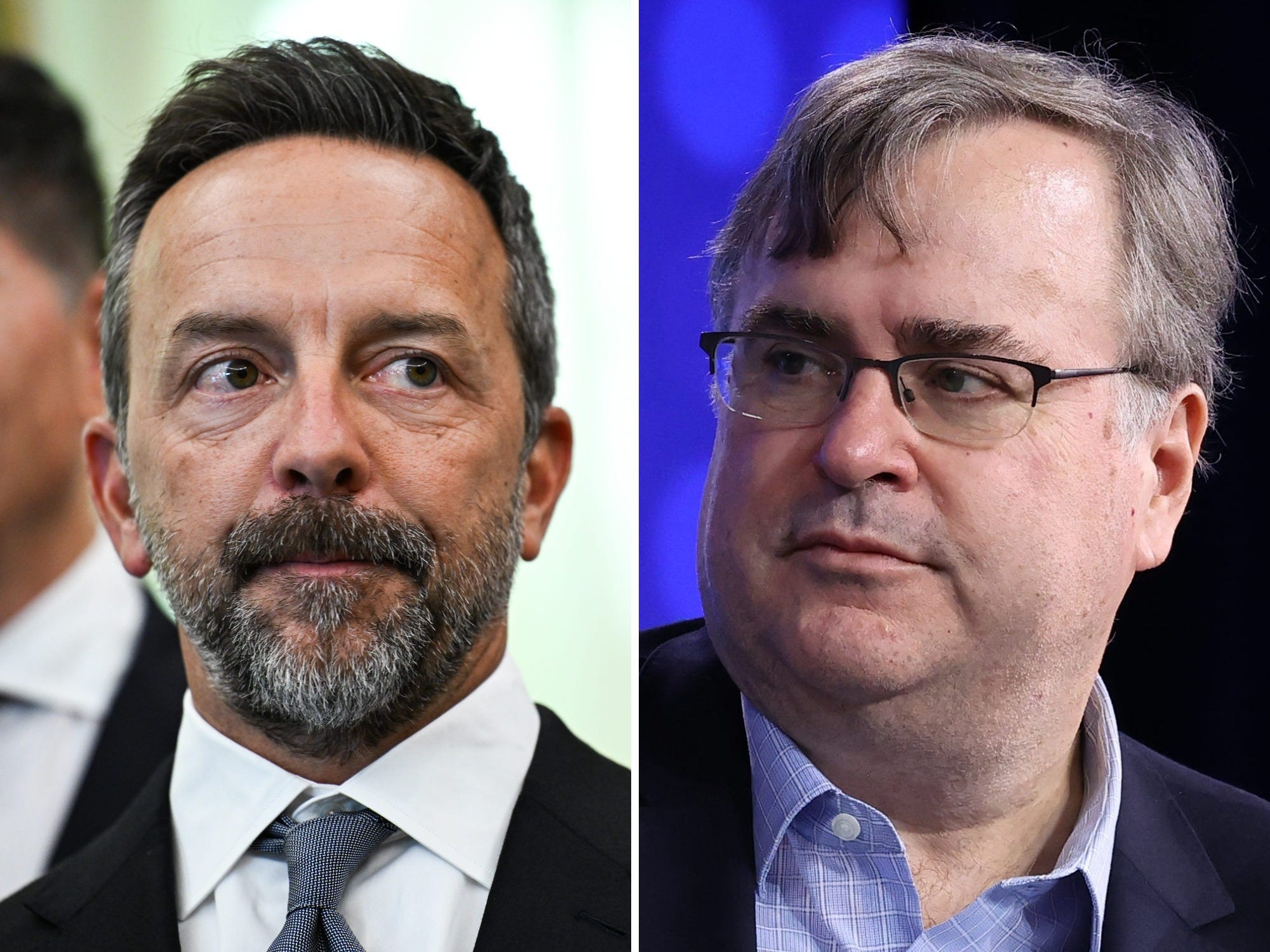
Business and tech leaders across the US are reacting after the Democrats took full control of Congress.
LinkedIn cofounder Reid Hoffman, Brad Gerstner, and Elon Musk are among those reacting to the blue wave.
Data centers and California’s ballot measure targeting billionaires are in the spotlight.
The 2026 midterm elections delivered shocking wins for Democrats on Tuesday evening, reshaping the balance of power in Washington.
Business leaders, tech executives, and investors are now assessing what the new political landscape could mean for their industries as Democratic candidates flipped key Senate and House seats.
This includes Texas, where James Talarico won his Senate race despite over $150 million in funding from Elon Musk for his Republican rival, Ken Paxton.
After the results, some of the tech and business leaders who sought closer ties with President Donald Trump ahead of his return to the White House could face new congressional scrutiny.
In California, the results of the nation’s first-ever ballot measure to impose a one-time 5% wealth tax on residents with net worth exceeding $1 billion could have major implications for the state’s elite, though as of around 7 a.m. ET, the “No” vote held a strong lead.
Here’s how powerbrokers in business and tech reacted to the midterms results amid the blue wave sweeping across the country:
Reid Hoffman, LinkedIn cofounder
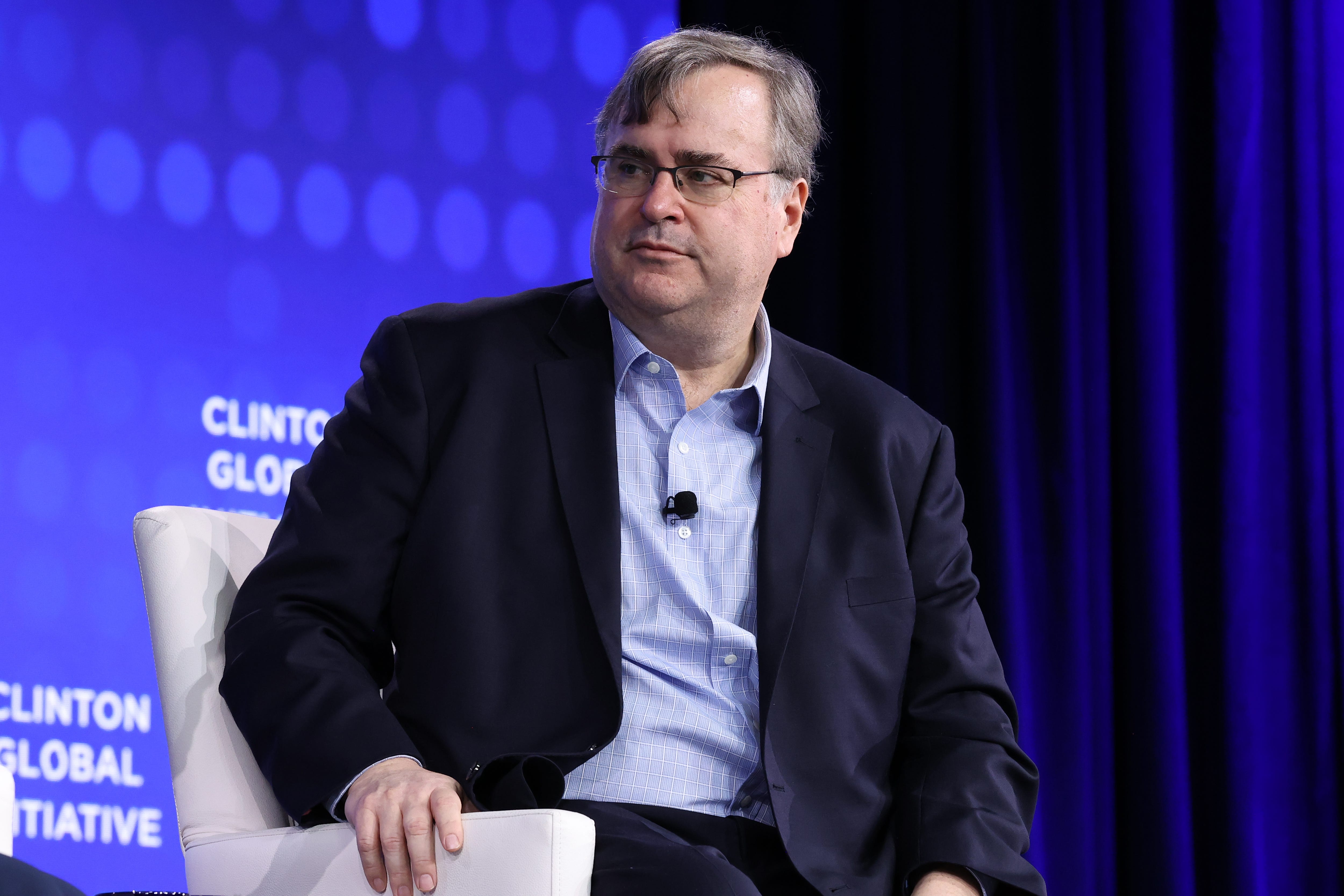
Reid Hoffman is a Democratic megadonor.JP Yim/Getty Images for Clinton Global Initiative
Reid Hoffman, the cofounder of LinkedIn and a Democratic megadonor, reacted to the party’s big wins in a post on X Tuesday evening.
“Voters made clear they demand a different kind of country. Americans want an economy that can compete globally and deliver for them at home. And they made clear that they want leaders they can trust to fight for their constituents,” he wrote.
“This night blew the doors off our expectations. From Texas to Ohio, Kentucky to Iowa, and South Carolina to Indiana, voters rejected the status quo. Tonight’s lesson: Never discount any voter in any place,” he continued.
Hoffman has been active in politics and vocal about his support for Democrats, spending tens of millions this election cycle. He also spent millions to support Kamala Harris’s campaign in 2024.
Hoffman has previously said the Democratic Party had alienated Silicon Valley and was partly to blame for its shift to the right.
Elon Musk, SpaceX and Tesla CEO
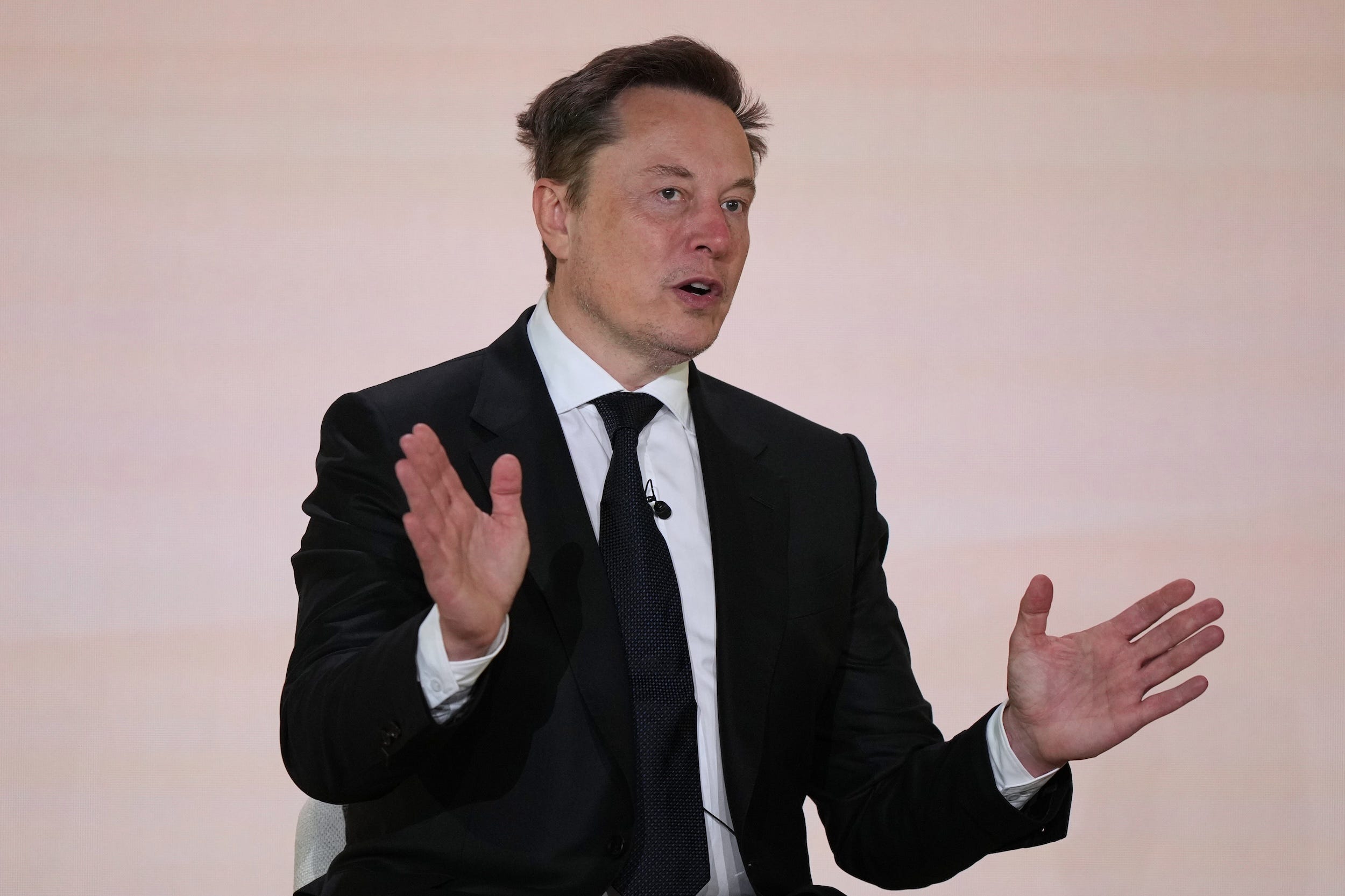
SpaceX CEO Elon MuskMark Schiefelbein/AP
Elon Musk, who spent hundreds of millions to support Republicans, broke his silence late on election night with two short X posts.
“Data centers in space looking pretty appealing right now,” Musk said, referencing concerns that Democratic wins could mean more scrutiny on data center development.
“Guess my election-interfering space lasers didn’t work this time,” he joked in a quick follow-up post.
Musk, the world’s richest person, spent more money than any other individual in the midterms, donating a whopping $446 million, mostly in Texas, the state he calls home along with his companies Tesla and SpaceX.
In addition to Talarico’s Senate seat, the Texas governorship was also won by a Democrat, Gina Hinojosa. It was the first time in decades a Democrat won a statewide race in the Lone Star state.
Lisa Su, AMD CEO
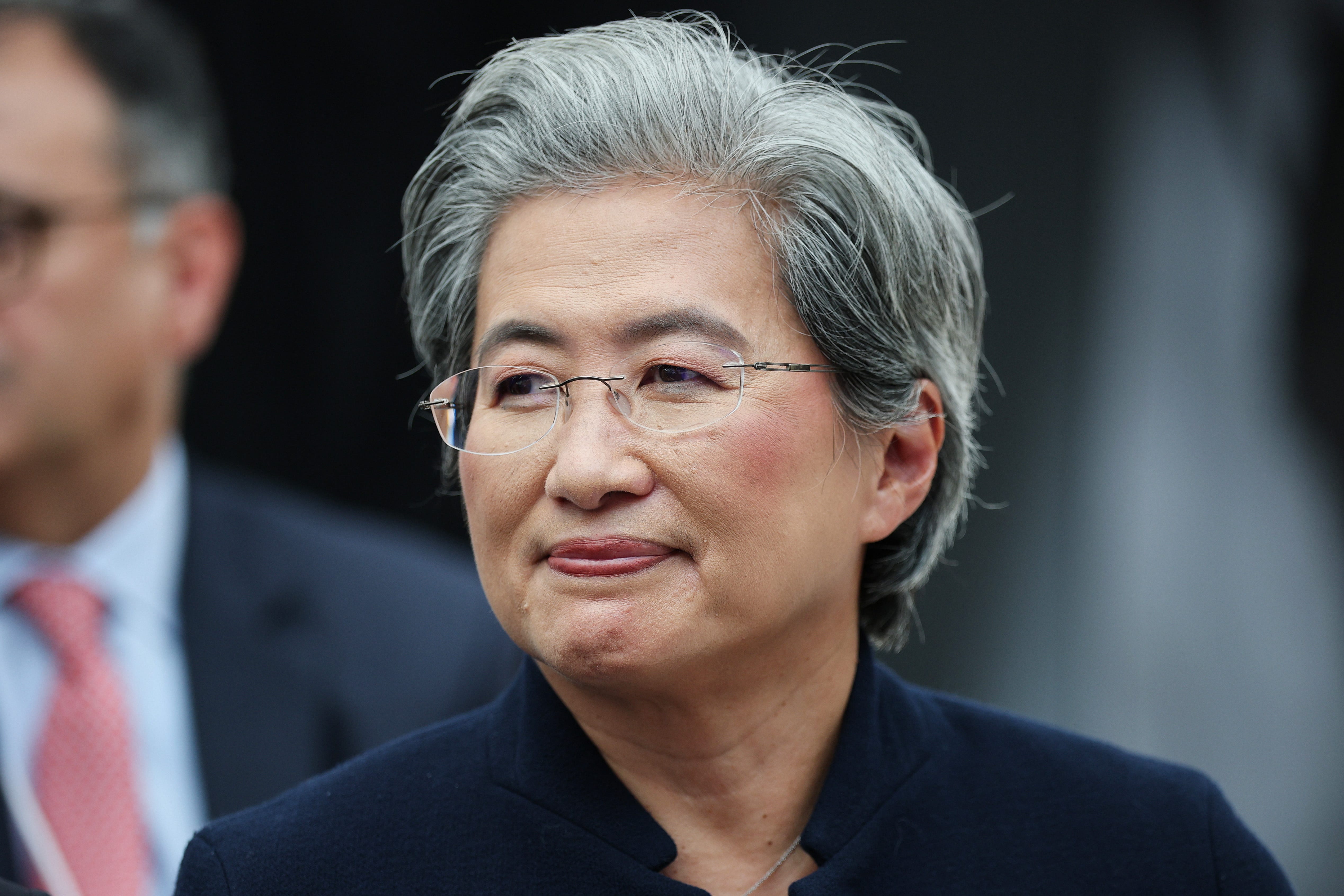
Lisa Su.Win McNamee/Getty Images
Lisa Su, the CEO of chipmaker AMD, saw the election results as showing that tech companies need to do more to convince people about the benefits of AI.
“At the end of the day, what we need to do is ensure that everybody wins from AI,” she said in an interview on CNBC’s “Squawk on the Street.”
“I do think this is an opportunity for us as a tech industry to realize that we need to make sure that the value proposition is clear to every local community that is going to host a data center, and I believe we can do that,” she added.
Dara Khosrowshahi, Uber CEO
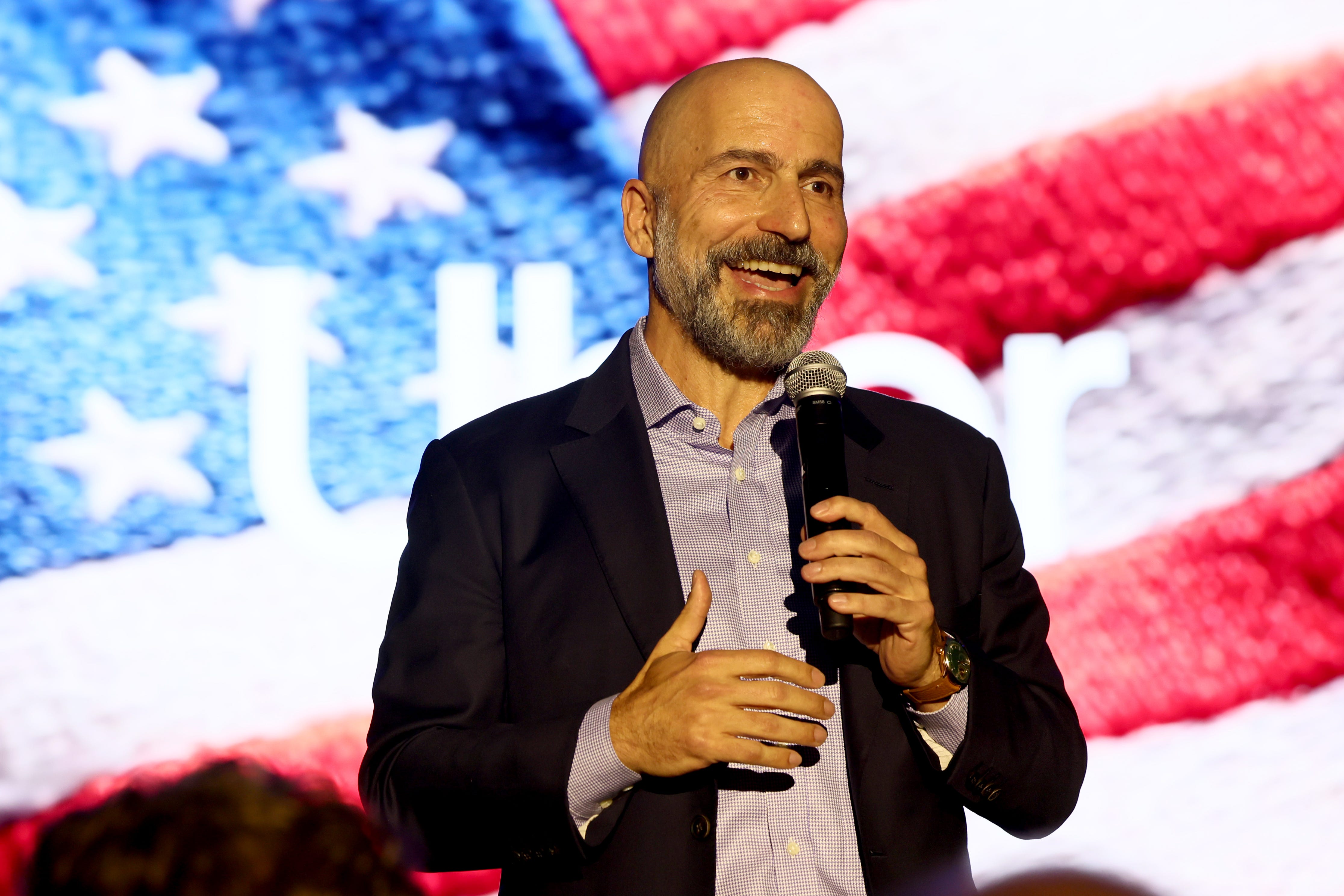
Dara Khosrowshahi at Uber’s America250 celebration in July.Jemal Countess/Getty Images for Uber
Dara Khosrowshahi, the CEO of Uber, shared his thoughts on the midterms in a Wednesday morning interview with CNBC.
“I think the people of our country sent a message regarding change,” he said. “I think that continuous inflation really has taken a mark on the consumer.”
“I think it’s up to businesses and up to our politicians and leaders in Washington to respond, and I hope that they do, because it was a very clear message that was sent out.”
Khorowshahi, who is Iranian by birth, was a vocal critic of Trump during his first term, but donated $1 million to the president’s inaugural fund after the 2024 election.
Keith Rabois, Khosla Ventures managing director
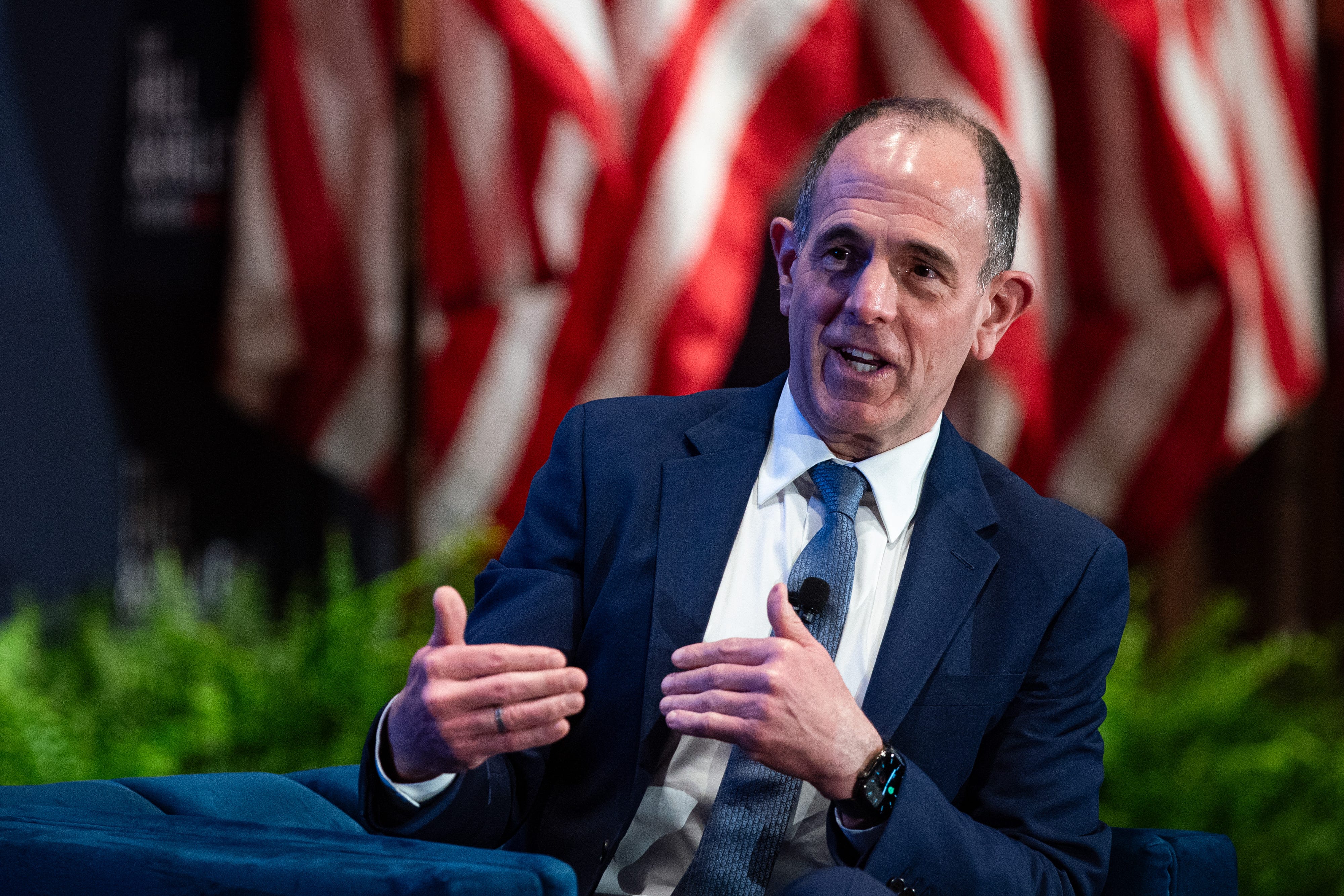
Keith Rabois.Al Drago/Bloomberg via Getty Images
Keith Rabois held executive roles at PayPal, LinkedIn, and Square, before becoming managing director at Khosla Ventures. As the results came in overnight, he posted on X: “Another reason to move to Miami.”
It came shortly after the Associated Press called Florida’s US Senate race for the Republican incumbent, Ashley Moody, who held on despite a strong Democratic swing.
While two of the city’s three main congressional districts elected Democrats in huge swings, the one that covers downtown Miami looks set to narrowly reelect the Republican incumbent, with 99% of the vote counted.
Rabois is married to Jacob Helberg, Trump’s undersecretary of state for economic affairs, and their wedding ceremony was officiated by Sam Altman.
Last year, The Wall Street Journal reported the couple was selling their Miami Beach home for $65 million as Helberg relocated to Washington, DC, although Rabois planned to stay based in Miami.
Brad Gerstner, Altimeter Capital CEO
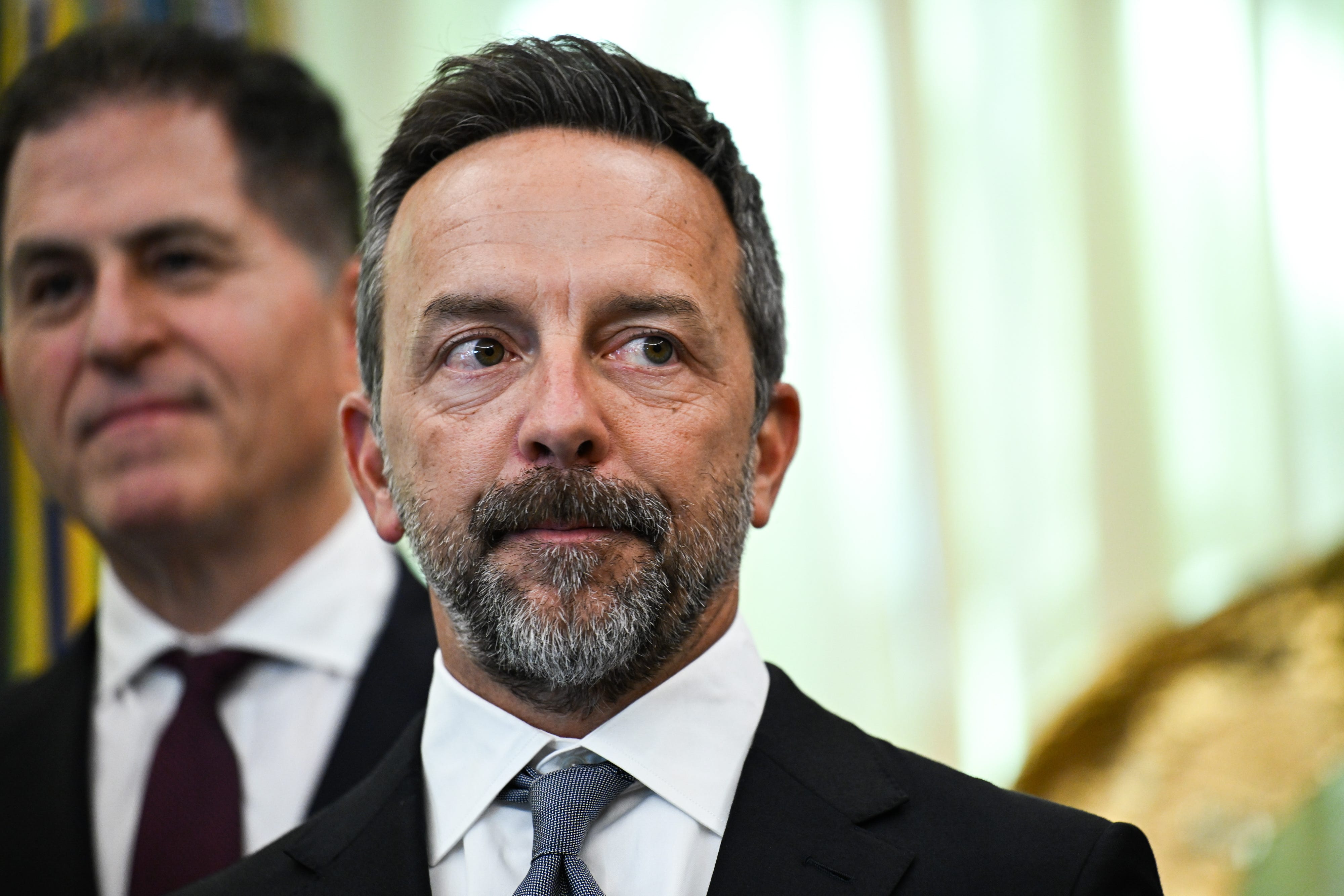
Brad GerstnerBloomberg/Getty Images
Brad Gerstner, CEO of Altimeter Capital, had thoughts on how the US data center buildout would be affected by the elections.
In a guest appearance on the All-In podcast livestream Tuesday evening, Gerstner said fears that a “blue tsunami” could make it difficult to build new data centers are “overblown.”
But he said that election results could slow down the development of the centers, and candidates like Gina Hinojosa, the Democrat who won the Texas gubernatorial race Tuesday, could “issue a moratorium on new data centers.” He said this could be “really challenging for the AI infratrade.”
Gerstner also said that Republicans and the AI community have “struggled with the messaging” over AI as the affordability crisis has weighed on Americans’ minds.
The investor is the architect of “Trump Accounts,” the investment vehicle for children in the country that launched in July.
Dylan Patel, CEO of SemiAnalysis
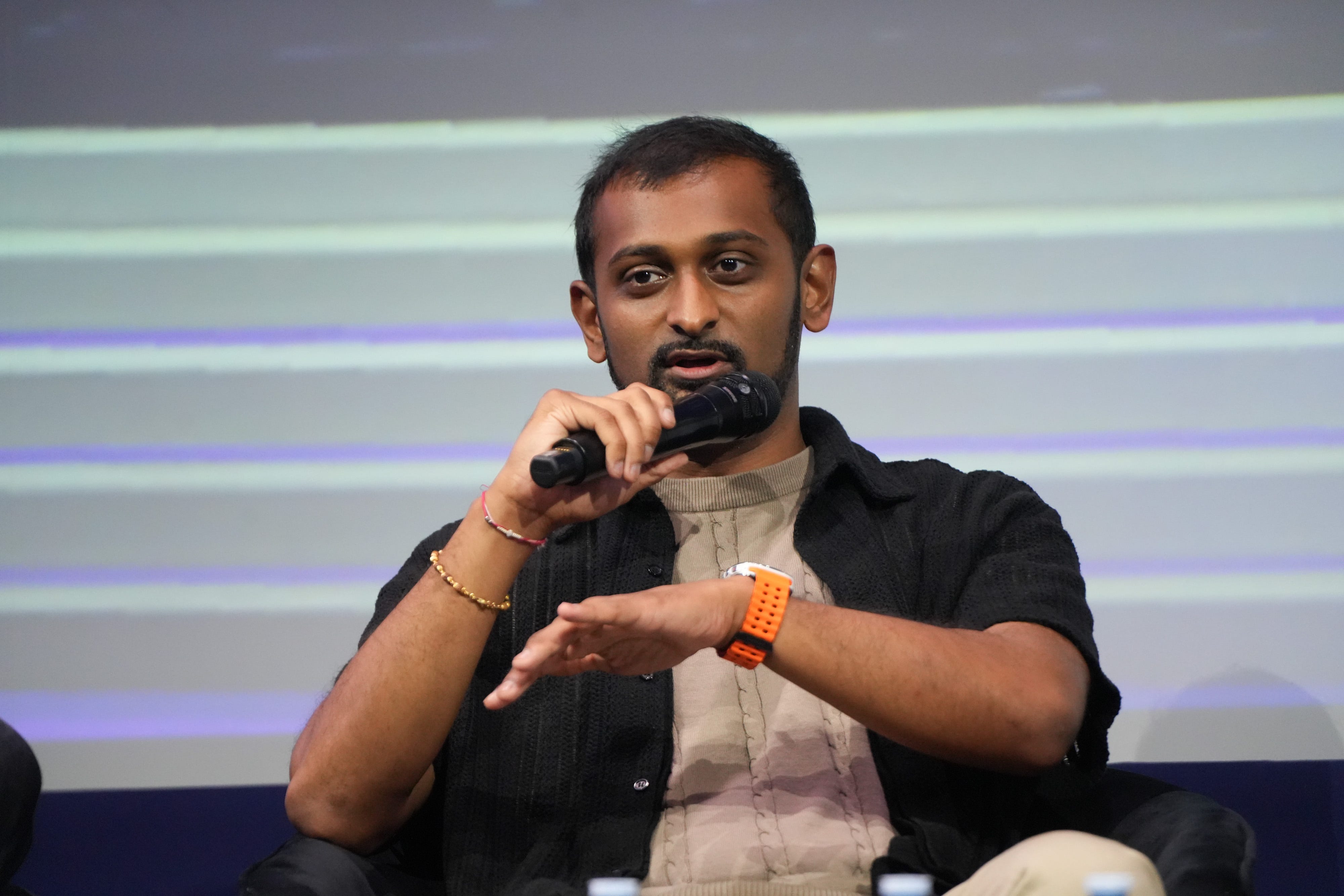
Dylan Patel, founder of SemiAnalysis, speaks during the Raise summit in Paris, France, on Tuesday, July 8, 2025. The annual conference gathers global leaders and key speakers in tech and AI. Photographer: Nathan Laine/Bloomberg via Getty ImagesNathan Laine/Bloomberg via Getty Images
Dylan Patel, CEO of SemiAnalysis, hinted at what he believes a blue wave could mean for the AI buildout.
“I am now bullish space datacenters,” Patel said in a post on X alongside a screenshot of results out of Texas that showed Hinojosa with an early lead over incumbent Republican Gov. Greg Abbott.
Ahead of the midterms, some in tech expressed concern that Democratic wins would mean additional scrutiny on data centers, which have faced fierce opposition in communities across the US.
Dan Ives, senior managing director at Yorkville Ives

Dan Ives.Astrida Valigorsky/Getty Images
Dan Ives, a veteran Wall Street analyst and AI bull, said the midterms will put the brakes on the rapid construction of data centers.
In a post on X, he said the “Democratic blue tidal wave across the Senate and House was a seismic shift that will have a negative impact on the pace of the AI Revolution buildout in the US over the next few years.”
Ives added that while some investors will prefer a slower pace, others will view it as added risk.
“We estimate 10% of data centers will not happen now,” he said.
Richard Branson, founder of the Virgin Group
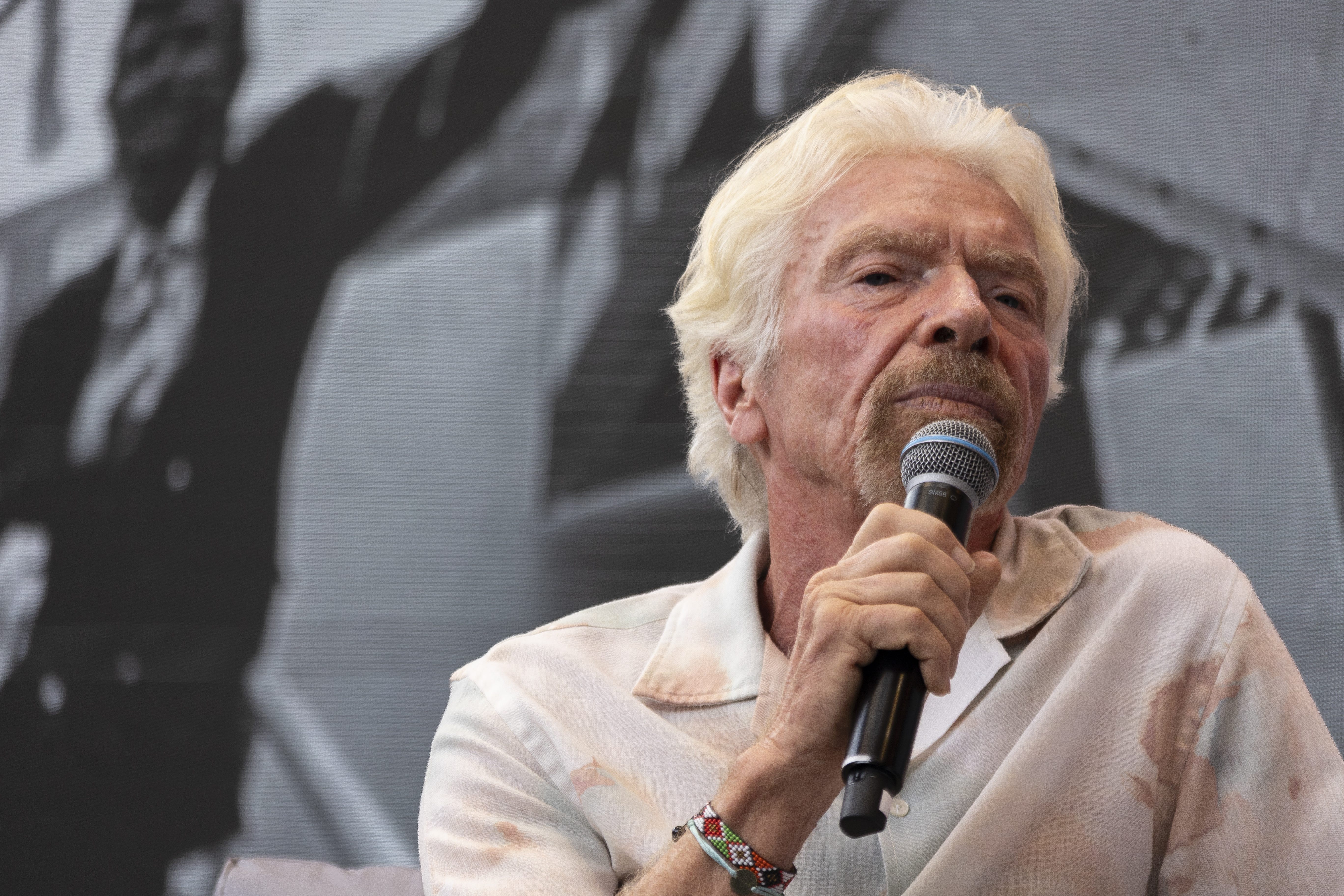
Richard Branson.Fabiola Ferrero/Bloomberg via Getty Images
Richard Branson, the billionaire founder of the Virgin Group, wrote in a post on LinkedIn that the results of the midterm election are not just “a decisive repudiation of Trump” but also an encouraging sign “about the limits of money in politics.”
Branson wrote, “As a successful entrepreneur, I have felt embarrassed by the billions that tech entrepreneurs and hedge fund managers have spent on — mostly Republican — campaigns this election cycle, in an attempt to buy influence and control over public policy.”
Branson added that voters looked past the “hateful and false messages” fueled by the billions spent on funding candidates, voting based on the issues that mattered to them.
“I hope this will prompt the next Congress to start a fresh conversation about the toxic impact of money in politics and the need for meaningful campaign finance reform,” he wrote.
Read the original article on Business Insider