
(Bloomberg Opinion) — Silicon Valley’s billionaires spent a record sum on this year’s midterms — and, for the most part, it was a poor investment. Voters slapped restrictions on data centers, and many Democratic candidates trounced their Republican opponents by using tech companies as a foil, promising to rein in the “oligarchs” who run them.
However, billionaires got the expected bang for their buck in at least one electoral contest: the controversial plan to tax the wealth of California’s billionaires, known as Proposition 40.
At last count, 53% of voters had rejected imposing a one-time 5% levy on the assets of the state’s wealthiest residents, compared with 47% who voted in favor of it. The results mirror polls that, for weeks, showed a growing unease among voters, as the ballot measure’s billionaire opponents poured money into advertising to shift public opinion.
One common takeaway from Proposition 40’s failure has been that it’s a blow to progressives, who’ve long wanted to make billionaires “pay their fair share” by taxing their wealth, not just income. If voters in deep-blue, populist-leaning California won’t support such a first-in-the-US populist policy proposal, what does that mean for voters in other states? But that would be missing the point.
The right takeaway is that Proposition 40 showed that messengers matter in politics, just as much as money does.
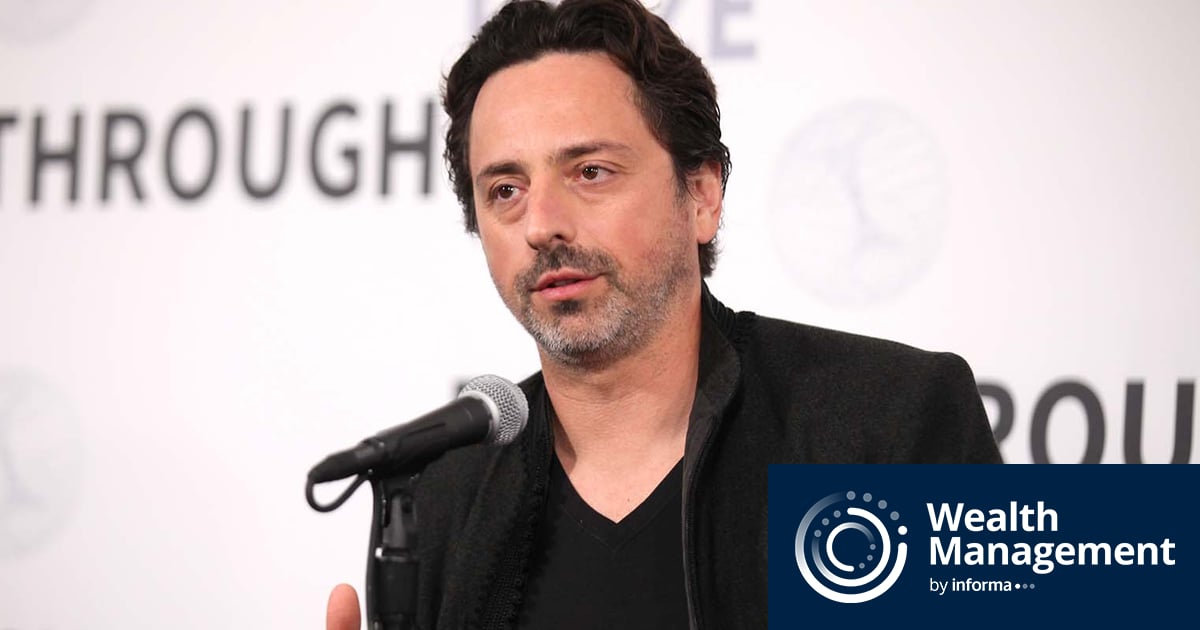
To his credit, one of the measure’s biggest critics, Google co-founder Sergey Brin, seemed to grasp this early on. After moving to Nevada last year, demonstrating the lengths to which he’d go to avoid having his wealth taxed, Brin took a leading role in organizing the opposition to the ballot measure.
He founded Building a Better California, a political action committee to fight Proposition 40, and was, by far, the largest donor, contributing more than $130 million. (Overall, Silicon Valley’s wealthiest spent close to $425 million, making it one of the most expensive campaigns in California’s history.)
But that was behind the scenes. Brin shied away from making himself the public face of the opposition. Instead, he left that role to the political, labor and business leaders who agreed with him about Proposition 40 — and who tend to have a lot more influence with California voters.
So, when television ads — funded by Building a Better California — ran nonstop ahead of Election Day, what voters saw were teachers, nurses and firefighters warning about approving a wealth tax. The message wasn’t that billionaires didn’t want to cough up more money to offset the Trump administration’s coming cuts to healthcare (which could result in some 2 million Californians losing health insurance). It was that these working-class Californians didn’t think Proposition 40 was a good idea either.
Governor Gavin Newsom had warned repeatedly that the ballot measure risked running more billionaires out of the state, devastating California’s tax base. Governor-elect Xavier Becerra and many other establishment Democrats agreed.
The backers of Proposition 40, comprised of another group of unions and Democratic politicians, pushed back with equally credible messengers. But with a campaign that was only able to raise $33.5 million, they didn’t have the resources to get in front of as many voters as Brin’s Building a Better California did.
Compare that to what Elon Musk did. Musk, the world’s richest person, spent close to half a billion dollars to help Republicans, including failed gubernatorial candidate Vivek Ramaswamy in Ohio and failed Senate candidate Ken Paxton in Texas.
But crucially, not only did Musk donate more than any other Republican megadonor in the midterms, he made little secret of it. This was especially true in Texas, where Paxton’s Democratic opponent, now Senator-elect James Talarico, was a frequent target of Musk’s ire. Talarico was able to seize on that attention to craft a credible campaign message, accusing Musk of trying to buy political influence by boosting Paxton.
“The people of Texas delivered a crystal-clear message to the world’s first trillionaire: Texas is not for sale,” he told CBS News, adding that the midterms prove the need to get big money out of politics “for good.”
Unlike Brin, Musk didn’t seem to appreciate the growing populist sentiment among Americans. Polls show that regardless of political party, most voters want there to be less involvement by the ultrawealthy in politics, not more.
In the short term, this seems to ensure more megadonors will try to hide their identities. A recent analysis by the Brennan Center for Justice found that giving to dark money groups by the 40 biggest donors has increased dramatically since 2014 and now makes up 29% of their total contributions.
In the long term, Dave Regan, the architect of Proposition 40 and president of the state’s powerful SEIU-UHW labor union, is counting on the backlash to billionaires in politics to undergird another attempt at passing a wealth tax in the future.
That could happen at the federal level once President Donald Trump leaves office. Newsom, likely to run for president himself, has suggested he would support it.
But passing a wealth tax in California will likely be much harder, given that a separate ballot measure — Proposition 42 — that prohibits new levies on “retirement holdings, individually-owned assets, and other forms of personal savings” is also likely to pass. Brin and Building a Better California were behind it, using many of the same messengers.
“That is incredibly corrosive and corrupting to our democracy and our political system,” Regan recently lamented to reporters, “and that’s been dominating the discussion here.”
What should dominate the discussion is building a bigger coalition of messengers.
Imposing additional taxes on billionaires isn’t outside of the realm of possibility. After all, California voters also just approved Proposition 3, making what had been a temporary income tax on high earners a permanent source of funding for education. Unlike Proposition 40, though, Proposition 3 had the entire Democratic coalition on its side. Money can’t buy that.
More From Bloomberg Opinion:
Want more Bloomberg Opinion? OPIN . Or subscribe to our daily newsletter.
To contact the author of this story:
Erika D. Smith at [email protected]