
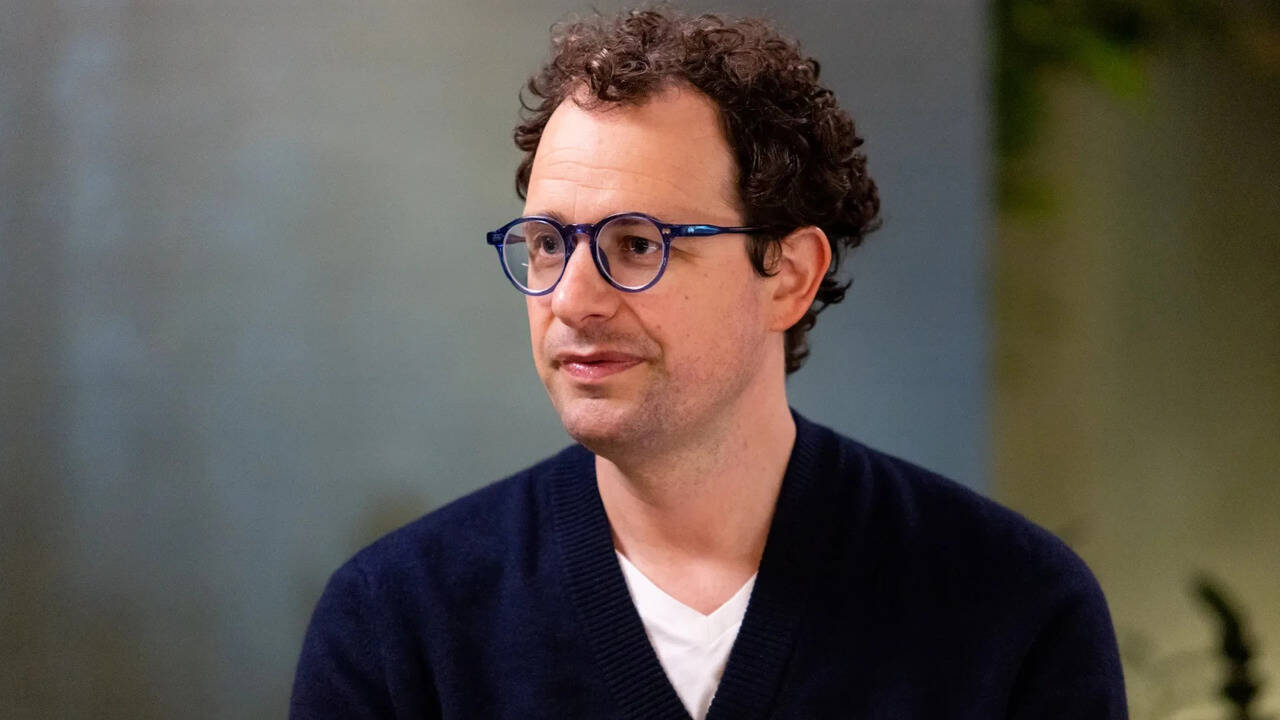
Anthropic CEO Dario Amodei has rejected claims that he wants humans to surrender their decision making power to AI. Here’s what he said about human freedom, AI automation and democratic control.
Dario Amodei rejects claims that humans should surrender control to AI
Artificial intelligence (AI) is becoming more powerful, but should humans allow it to make important decisions on their behalf or in their lives? This question has sparked a new debate in the technology industry after Anthropic CEO Dario Amodei rejected claims that he supports handing over human decision making power to artificial intelligence.
On November 25, 2026, Amodei pushed back on a report. That report said some folks at Anthropic think people might one day need to hand AI more say over big choices.
In a post on X, he called the idea that he wanted people to give up their free will to AI “absurd.” He said he has always backed the view that artificial intelligence must be run through democratic processes.
His reply has pulled a question back into view: How much say should humans give to AI as the tech keeps growing?
What triggered Dario Amodei’s statement on AI and human freedom?
The debate started after Axios released a report on November 25, 2026. The report talked about worries among workers at Anthropic and OpenAI regarding the growth of advanced AI models.
According to the report, some employees at Anthropic think as AI systems grow smarter than humans in some fields, it may eventually be logical to let AI take over decision making duties.
The discussion did not stay with everyday tasks instead raised questions about whether superintelligent AI could become able to make decisions that influence society and governance.
Amodei disagreed with the idea that this meant humans should give up their freedom or let AI systems govern them.
He argued that the report confused two ideas: letting AI perform specific tasks and letting AI control important decisions about human society.
He also criticized how some media reports framed the debate, saying that these two issues should not be seen as the thing.
AI doing human tasks is different from AI controlling humans
Amodei explained that there is a major difference between using AI to complete specific tasks and allowing it to make decisions about how people should live.
For example, AI could be used to the following:
Drive vehicles and improve transportation systems.Help scientists design new medicines, including cancer drugs.Write software and complete complex computer-related tasks.Support research in medicine, energy and other scientific fields.
He believes that automation can bring major changes and benefits to society. It can save time, improve productivity and help scientists make progress in areas where human research may take years.
However, he also acknowledged that automation has its own disadvantages. It could affect employment, change the way industries work and create new challenges for society.
He said, while AI taking over larger tasks could be useful in many situations, it does not mean that people should surrender their authority to artificial intelligence.
In his view, decisions about society and governance must remain connected to human choices and democratic institutions.
What does Anthropic CEO Dario Amodei believe about AI safety?
Dario Amodei serves as CEO and co-founder of Anthropic, an AI company for building the Claude family of AI models. He has often spoken about both the opportunities and risks linked to AI.
In October 2024, Dario Amodei published an essay titled Machines of Loving Grace: How AI Could Transform the World for the Better. In that essay, he discussed how powerful AI could help improve healthcare, scientific research, education and other areas of life.
He has also warned that the benefits of AI should not distract people from its possible risks. Amodei argues that the future of AI depends on how people develop and use the technology.
He believes that understanding these risks and taking steps to reduce them is important if society wants to benefit from AI.
This background is important because his latest statement does not suggest that he opposes AI development. Instead, he is drawing a line between using AI as a tool and allowing AI to take control of human society.
Why is human control over AI becoming an important debate?
AI is becoming talk of the town as companies build more and more powerful systems. These systems can do jobs that used to belong to trained experts.
Yes, this work could make health care, schools, transport and research better. It also brings worries about privacy, jobs, who answers for mistakes and people using the tech in harmful ways.
One major concern is accountability. If an AI system makes a wrong decision that affects someone’s life, who should be held responsible? The company that developed it, the person using it or the system itself?
Another worry is whether people will lean hard on AI for big choices? If machines start deciding things in areas like health care, the law and public services, then humans watching over them and being open about how they work will matter more and more.
Amodei’s answer shows why new tech has to move together with public responsibility and democratic control.
What does this debate mean for the future of AI?
The disagreement around Amodei’s remarks shows a conversation about where AI is going. Tech companies are trying to build systems that can do more complex things but there are different opinions about how much independence these systems should have.
It’s very important to remember that making AI more powerful doesn’t mean giving it control over people.
AI can help doctors treat patients, help students understand subjects, support scientists in their work and make daily life simpler.
But when it comes to decisions about human rights, personal freedom or the direction of society, humans must stay in charge.
Amodei’s latest comments make one thing clear: AI might become a part of our lives, but that does not mean we should let it take over our decisions. Humans should always keep the say.