
Vertical farming: a local solution for greens, but not feeding the world any time soon | While it has lots of benefits, the economics just don’t work.
Posted by towngrizzlytown
Vertical farming: a local solution for greens, but not feeding the world any time soon | While it has lots of benefits, the economics just don’t work.
Posted by towngrizzlytown
3 Comments
Extract:
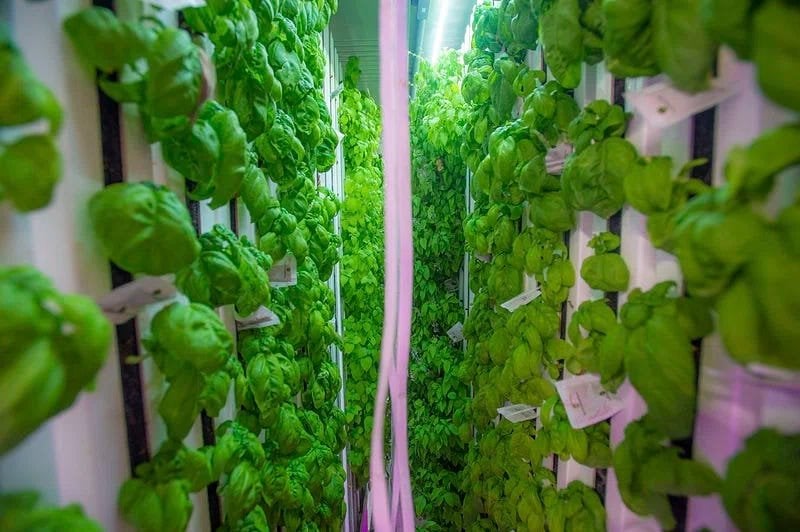
>Vertical farming — growing crops indoors, on stacked layers — is a solution that I really want to see succeed. See the figure below, which provides a summary of the pros and cons.1 About half of the world’s habitable (desert- and ice-free) land is used for farming. Vertical farming provides an elegant solution: grow crops upwards, rather than outwards.
>It can reduce or eliminate the need for pesticides. Temperatures can be optimized. It can make food production far more resilient to extreme weather, which will be increasingly important with climate change. In an ideal world, it would massively increase food security while reducing the environmental impacts of farming.
>**What stands in the way is energy demand.** Growing crops indoors is energy-intensive. So we’re really swapping a land problem for an energy one. That’s not just a challenge in terms of supplying that energy, but it also makes most vertical farms uneconomical to run. Staple foods would be dramatically more expensive than they are today, and given that billions of people can’t afford a healthy diet now, that’s not a workable solution.
>Here, I’ll run through some of the numbers on vertical farming, looking at the energy and financial costs that make me skeptical that this technology will make a dent in global food supplies any time soon.
I don’t like the last sentence of the headline, calling the “a lot more costs” the “the economics” obscures the problem make it seems something esoteric or “greed” is standing in the way.
“While it has benefits, it has significantly more costs for the bulk of global calorie needs” is a much more honest way to put it.
Functionally sunlight and land for normal agriculture are plentiful and free. There are very few products, in limited amounts, where that basic calculus alone doesn’t make vertical farming implausible.
An area I’ve seen them successfully implemented is a containerized mushroom vertical farm. I’ve seen a few at restaurants and grocery stores. Mushrooms are a high value product that need specific conditions to grow well, and can grow fast. So you get a lot of yield per area.
There’s also a lot of great varieties and they don’t travel well. So it enables greater variety to sell. I think this will be an area of success for them.