>The nearest American equivalent is the Marine Corps’ new Bolt-M made by Anduril. This is a slicker, more polished quadcopter with more on-board intelligence and requiring less operator skill, but it performs the same basic task of hitting a target with a 1.5kg warhead. The cost though is “low tens of thousands” of dollars. The similar Rogue-1 comes in at an eye-watering $94,000 apiece. In Ukraine, FPVs are so numerous that two or more may pursue each Russian footsoldier.
>
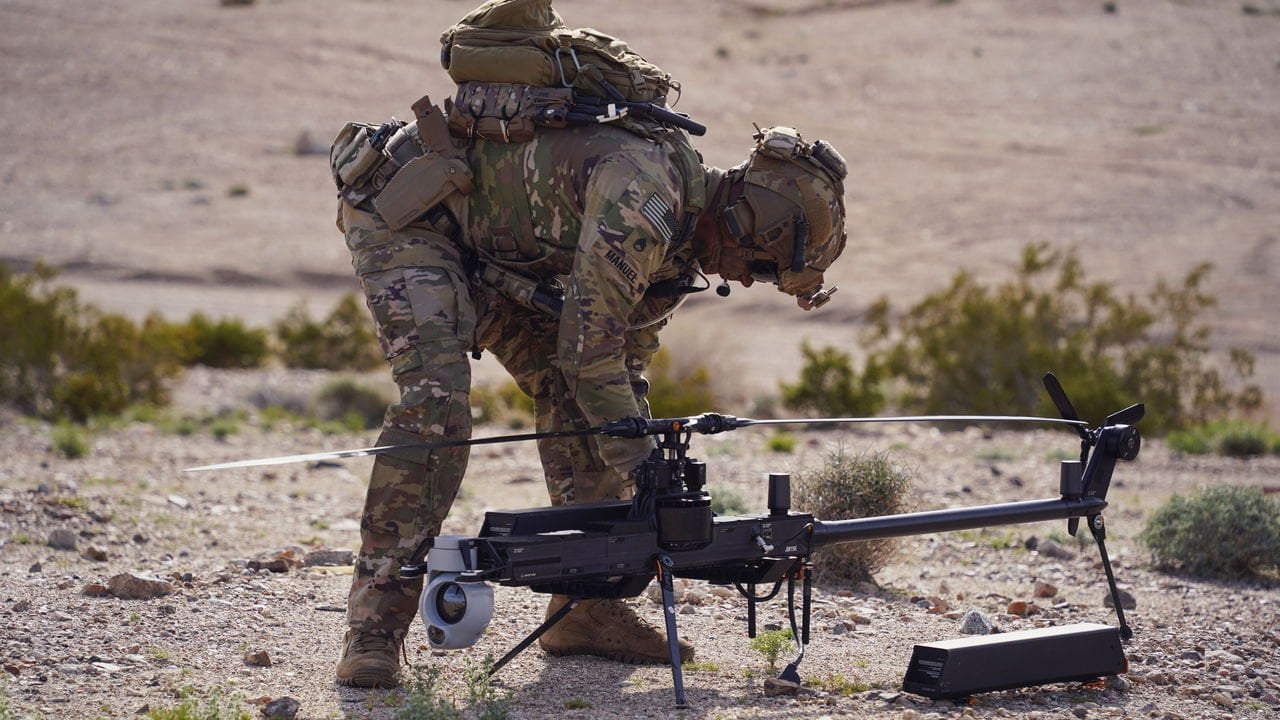
>For reconnaissance, Ukrainian operators typically use the Chinese DJI Mavic 3 Pro, which sells for around $3,000. The US Army’s new Short-Range Reconnaissance quadcopter will carry out similar missions. The current version costs around $20,000. The difference is partly accounted for by the need to meet US military requirements such as resistance to shock and vibration, extreme temperatures and radio interference. New capabilities, including better GPS, higher-resolution thermal imaging, automated target tracking and obstacle avoidance are pushing the price up to around $40,000. Experience suggests this type of cost spiral keeps going. And the more expensive such drones become, the less expendable and less useful they are.
Crownie on
I have a suspicion this is the sort of thing that’s only going to get resolved when the US has sustained combat operations where gold-plated solutions are unsustainable.

2 Comments
Some excerpts from the article which I found to speak volumes about the problems we face.
>A typical [FPV (“first-person view”) attack drone](https://www.economist.com/interactive/science-and-technology/2024/02/05/cheap-racing-drones-offer-precision-warfare-at-scale) costs Ukraine’s army less than $500. Based on [racing quadcopters](https://www.economist.com/the-economist-explains/2023/03/24/how-racing-drones-are-used-as-improvised-missiles-in-ukraine), these are typically made by small suppliers. Some are assembled at kitchen tables through a government initiative which shows people how to make drones at home. Though rough and ready, these drones can knock out a Russian tank, artillery piece or bunker from several miles away.
>The nearest American equivalent is the Marine Corps’ new Bolt-M made by Anduril. This is a slicker, more polished quadcopter with more on-board intelligence and requiring less operator skill, but it performs the same basic task of hitting a target with a 1.5kg warhead. The cost though is “low tens of thousands” of dollars. The similar Rogue-1 comes in at an eye-watering $94,000 apiece. In Ukraine, FPVs are so numerous that two or more may pursue each Russian footsoldier.
>
>For reconnaissance, Ukrainian operators typically use the Chinese DJI Mavic 3 Pro, which sells for around $3,000. The US Army’s new Short-Range Reconnaissance quadcopter will carry out similar missions. The current version costs around $20,000. The difference is partly accounted for by the need to meet US military requirements such as resistance to shock and vibration, extreme temperatures and radio interference. New capabilities, including better GPS, higher-resolution thermal imaging, automated target tracking and obstacle avoidance are pushing the price up to around $40,000. Experience suggests this type of cost spiral keeps going. And the more expensive such drones become, the less expendable and less useful they are.
I have a suspicion this is the sort of thing that’s only going to get resolved when the US has sustained combat operations where gold-plated solutions are unsustainable.