Very good article. The field has some real problems that need to be dealt with.
Here’s a snippet that captures the crux of the issue.
>
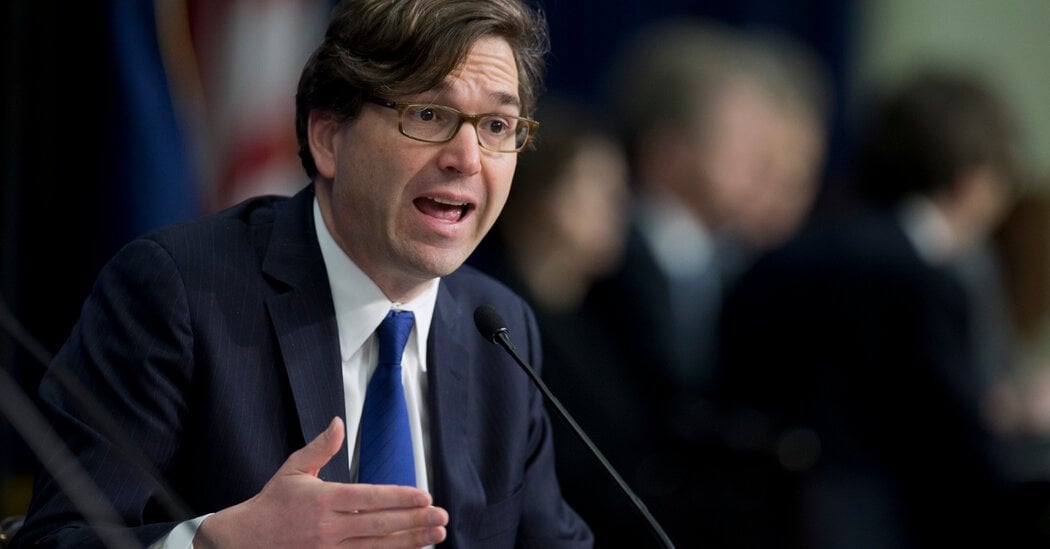
“Everyone in this room agrees with your book,” Mr. Furman said. “No one outside of this room agrees with your book.”
The academics and policy wonks gathered in the hotel conference room laughed, but the comment captured something real: After decades of helping to shape policy on weighty matters like taxes and health insurance, economists find that their influence is at a low ebb.
Free trade is perhaps the closest thing to a universally held value among economists, yet Americans just voted to return to office a president, Donald J. Trump, who has described tariffs as “the most beautiful word in the dictionary” and who often seems to view trade through a mercantilist lens that the field has considered outdated since the days of Adam Smith.
The president he will replace, Joseph R. Biden, was hardly a free-trade zealot himself: He kept in place many of the tariffs that Mr. Trump imposed in his first term, and moved in his final days in office to [block the takeover of U.S. Steel](https://archive.is/o/G7cYn/https://www.nytimes.com/2025/01/03/us/politics/us-steel-nippon-biden.html) by a Japanese company — a decision his own economic advisers opposed.
It isn’t just trade.Economists overwhelmingly favor immigration as a source of innovation and growth, yet Mr. Trump wants to seal the border and deport potentially millions of unauthorized residents.
And economists have warned for years about the nation’s unsustainable fiscal path, saying it could result in ballooning debt payments, rising interest rates and increased risk of a financial crisis, yet both parties have run up huge deficits with no credible plan for reining them in.
All of which meant that when economists gathered in San Francisco this month for the annual meeting of the American Economic Association, there was a sense that their famous confidence — critics would say arrogance — had been, if not shattered, certainly dealt a body blow. What was the point of their careful data-gathering, their complex models, their intricate theories if no one was going to listen to their advice anyway?

1 Comment
[https://archive.is/G7cYn](https://archive.is/G7cYn)
Very good article. The field has some real problems that need to be dealt with.
Here’s a snippet that captures the crux of the issue.
>
“Everyone in this room agrees with your book,” Mr. Furman said. “No one outside of this room agrees with your book.”
The academics and policy wonks gathered in the hotel conference room laughed, but the comment captured something real: After decades of helping to shape policy on weighty matters like taxes and health insurance, economists find that their influence is at a low ebb.
Free trade is perhaps the closest thing to a universally held value among economists, yet Americans just voted to return to office a president, Donald J. Trump, who has described tariffs as “the most beautiful word in the dictionary” and who often seems to view trade through a mercantilist lens that the field has considered outdated since the days of Adam Smith.
The president he will replace, Joseph R. Biden, was hardly a free-trade zealot himself: He kept in place many of the tariffs that Mr. Trump imposed in his first term, and moved in his final days in office to [block the takeover of U.S. Steel](https://archive.is/o/G7cYn/https://www.nytimes.com/2025/01/03/us/politics/us-steel-nippon-biden.html) by a Japanese company — a decision his own economic advisers opposed.
It isn’t just trade.Economists overwhelmingly favor immigration as a source of innovation and growth, yet Mr. Trump wants to seal the border and deport potentially millions of unauthorized residents.
Economists across the ideological spectrum have [espoused a carbon tax](https://archive.is/o/G7cYn/https://www.nytimes.com/2022/08/25/business/economy/economy-climate-change.html) as the most effective tool for combating climate change, yet Democrats rejected that approach when designing their climate bill under Mr. Biden.
And economists have warned for years about the nation’s unsustainable fiscal path, saying it could result in ballooning debt payments, rising interest rates and increased risk of a financial crisis, yet both parties have run up huge deficits with no credible plan for reining them in.
All of which meant that when economists gathered in San Francisco this month for the annual meeting of the American Economic Association, there was a sense that their famous confidence — critics would say arrogance — had been, if not shattered, certainly dealt a body blow. What was the point of their careful data-gathering, their complex models, their intricate theories if no one was going to listen to their advice anyway?