This is not exactly new either. They threw an absolute tantrum when the federal government wanted to focus on white nationalist terrorist groups with ideologies like the folks behind the Oklahoma City bombing, because those whacko groups are part of the Republican coalition.
ONETRILLIONAMERICANS on
> HOW DOES A POLITICAL PARTY get comfortable with the use of violence? How does a constitutional democracy drift toward authoritarianism? The answers are right in front of us. It’s happening in the United States.
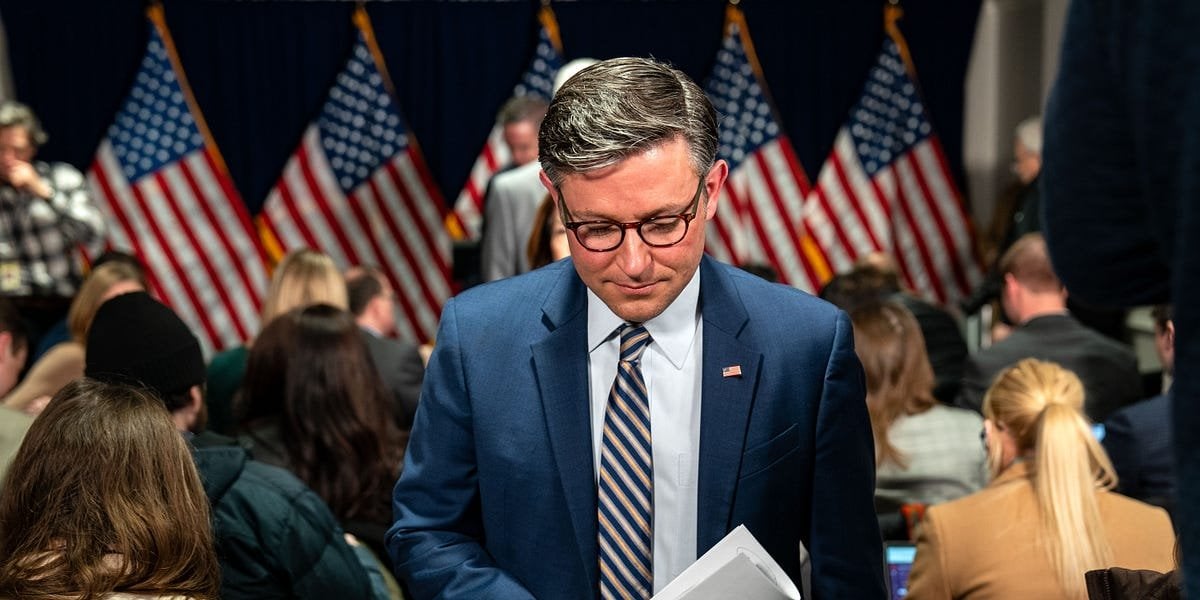
> In the week before Trump took office, House Speaker Mike Johnson and Vice President-elect JD Vance had signaled that the pardons wouldn’t extend to those who committed violent crimes. So when Trump crossed that line, congressional Republicans had to decide whether to join him.
> With few exceptions, they have.
> This is a significant moment in the transformation of our country. The party that controls the presidency and both houses of Congress—emboldened by a Republican-appointed Supreme Court majority that has granted Trump broad immunity from prosecution—is exempting its supporters from accountability for political violence, including assaults against police.
> How have Republicans rationalized crossing this line? Let’s examine some of their excuses.
!ping DEMOCRACY&EXTREMISM
adreamofhodor on
They voted for and supported Trump again _after_ Jan 6. Violence obviously isn’t at all a dealbreaker for them.

4 Comments
This is not exactly new either. They threw an absolute tantrum when the federal government wanted to focus on white nationalist terrorist groups with ideologies like the folks behind the Oklahoma City bombing, because those whacko groups are part of the Republican coalition.
> HOW DOES A POLITICAL PARTY get comfortable with the use of violence? How does a constitutional democracy drift toward authoritarianism? The answers are right in front of us. It’s happening in the United States.
> In the week before Trump took office, House Speaker Mike Johnson and Vice President-elect JD Vance had signaled that the pardons wouldn’t extend to those who committed violent crimes. So when Trump crossed that line, congressional Republicans had to decide whether to join him.
> With few exceptions, they have.
> This is a significant moment in the transformation of our country. The party that controls the presidency and both houses of Congress—emboldened by a Republican-appointed Supreme Court majority that has granted Trump broad immunity from prosecution—is exempting its supporters from accountability for political violence, including assaults against police.
> How have Republicans rationalized crossing this line? Let’s examine some of their excuses.
!ping DEMOCRACY&EXTREMISM
They voted for and supported Trump again _after_ Jan 6. Violence obviously isn’t at all a dealbreaker for them.
War is politics by other means and vice versa