
America’s Gen Z has got religion: Because of them, a long decline in the number of Christians has levelled off
Posted by WildestDreams_
America’s Gen Z has got religion: Because of them, a long decline in the number of Christians has levelled off
Posted by WildestDreams_
10 Comments
Article:
The meeting houses of the First Church in Cambridge, founded by Puritans, have been around for 400 years. George Washington worshipped in one; the Massachusetts Constitution was debated in another. Like other venerable churches in America its pews have thinned out as religiosity has declined.
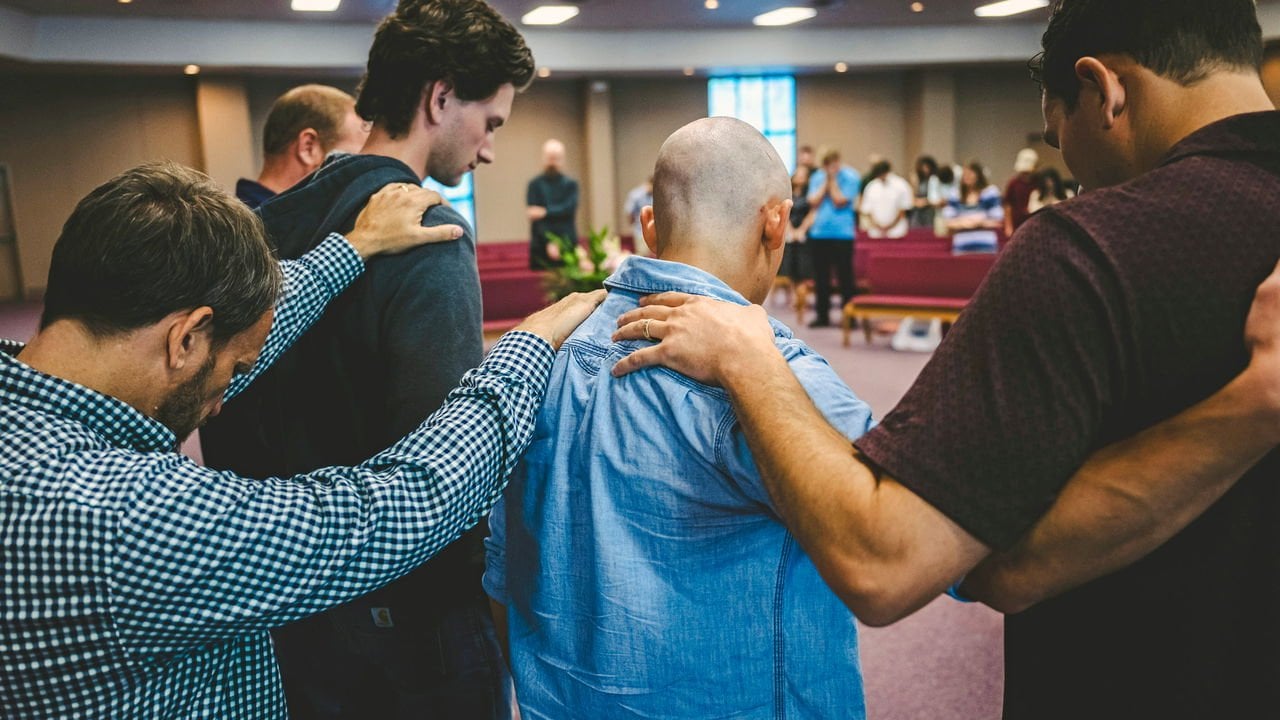
On a cold New England morning last Sunday young congregants at First Church told your correspondent that few of their friends are religious. But recent data shows they are part of a pause in trend. The share of Americans who identify as religious has levelled off, and this faith resilience has a surprising source: Gen Z.
In 1972 some 90% of Americans said they were Christian, compared to a mere 5% saying they had no religious affiliation (researchers call them “the Nones”). By 2021 the Nones had swelled to 29%, a rise that was mostly consistent across lines of race, sex, income and education. On average, each successive birth cohort has been 10% less Christian than its predecessors.
But new data from the Pew Research Centre shows that Gen Z is about as religious as older peers. If Americans born between 2000 and 2006—a cohort at the heart of Gen Z—followed their predecessors, about 41% would identify as Christian. Instead Pew’s data shows that 46% do.
Nearly three-quarters of Gen Z reports feeling lonely. Having just emerged from a service at First Church in Cambridge, 20-year-old Julia LaGrand says that she takes comfort in the fact that while friends may come and go “people in church don’t get to reject you.” For some of this isolated generation, church offers solace.
Would be curious on the Pew poll numbers on other generations.
I just wouldn’t be surprised if religious observance has increased everywhere. In times of uncertainty, faith is a comfort for many. A lot of Millennials may not describe themselves as “Christian,” but I’d be curious how much movement there has been on religious affiliation since COVID.
I certainly think I’d sleep easier at night if I believed there was some mythical force out there ensuring real accountability for people’s actions toward others. The headlines each week would be far less affecting.
It is weird how this goes against the trend seen in every western society, both Latin America and Europe are declining fast, England has become a majority non religious country, how is it that the US is the opposite of this?
Am I Calvinist Christian (reformed Christianity, generally associated with being “conservative”). What I’m seeing is a rise in *Christian culture*, not necessarily a rise in Christianity that promotes biblical adherence.
Example: “Resisting” the governments mask mandates is contrary to Titus 3 and a Romans 13. The *only* time Christians should resist the authorities in a way that breaks the law is if it directly interferes with a Christians ability to worship God or proclaim the Gospel.
This is a worrying trend imo because people assume they have the security of salvation by simply identifying with Christian culture as a culture war thing.
I saw people saying the trend was only in identification, things like attendance at services continued on the same trend
The left still doesn’t realize how radicalized they are and the extremists they view as idols.
Waow
As another commenter here said, I feel like it’s much more Christian culture than actual Christian actions and beliefs.
It’s very much social conservatism and looking down on those who don’t adhere. It’s not really an uptick in trying to help the downtrodden or uplift the less fortunate
The addicted to their phones children of Gen X making things worse who could have seen this coming.
Not surprising. People need meaning in their life and religion can be a good source of it.
More left leaning people would do well to become more religious. It’s not about the myths, it’s about being apart of community and finding meaning outside of the material world.
It’s not for everyone but more than people think.