
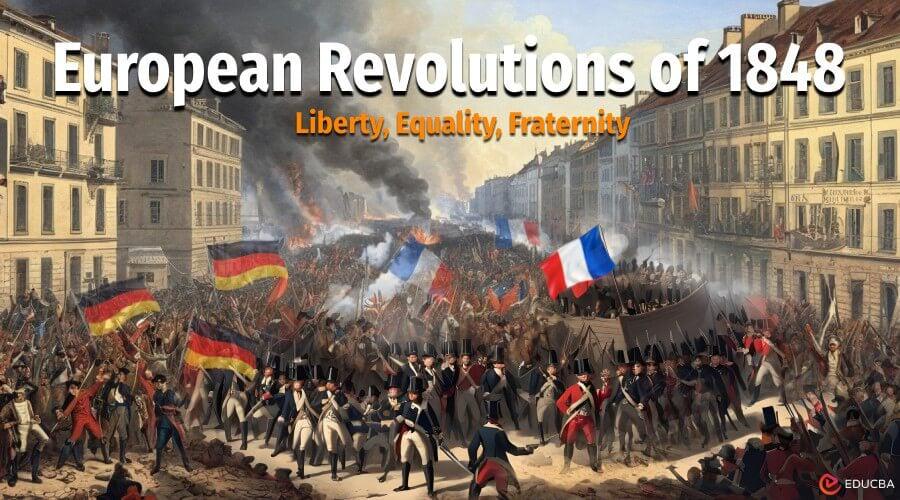
In 1848, across Europe, liberals clashed with a conservative world order that re-installed the old monarchs to power. While the protests and revolutions themselves were not always successful, they had a lasting historical impact on Europe and gradually led to liberalism's return or rise to power. My question to this sub: have modern-day liberals in America become too accustomed to being in the managerial class so have lost this ability to be socially disruptive and effectively challenge power structures from below?
Posted by howtofindaflashlight
5 Comments
Yep.
In the United States? You could say that. As inaction continues people will turn to far-leftism to cater towards which helps spreads it.
We have always been the managerial class
>socially disruptive
Is this when they build a 4 plex or a daycare in my neighborhood?
Two very preliminary thoughts:
– The political system is already mostly liberal in the US and across Europe. The ’48 revolutions were mainly about political rights (and nationalism), and I think there’s a reason for that: it is by far the most revolutionary, and also uncompromising, part of liberalism. On economics, for example, liberalism is split between social liberals and more strict market liberals, and the (in the Democratic party) dominant social liberal position is, in turn, a way to reconcile a market economy with strong social safety nets. The ideological both sides-ism may create better policies, but it isn’t a quick populist (in the old sense) sell.
– After universal suffrage, when the working class could vote, socialist (social democratic in most cases) parties were frankly much better at fighting the economic battles that followed from below. In the many European countries where a social democratic party broke through, the liberal Party often went from the clear left-wing alternative to center-right. For many complicated reasons that didn’t happen in the US, but you can still see that Bernie was able to fight more from below than liberals like Clinton or Biden.