
Ottawa was warned about problems with Indigenous procurement – but grew it into a $1.6-billion program anyway
Posted by IHateTrains123
Ottawa was warned about problems with Indigenous procurement – but grew it into a $1.6-billion program anyway
Posted by IHateTrains123
2 Comments
Newsstream source: https://www.proquest.com/canadiannews/docview/3177052968/F68A57B31C4B18PQ
The offer usually arrives just minutes into the meeting: Does he want to make a deal that would effectively turn his business into a shell company?
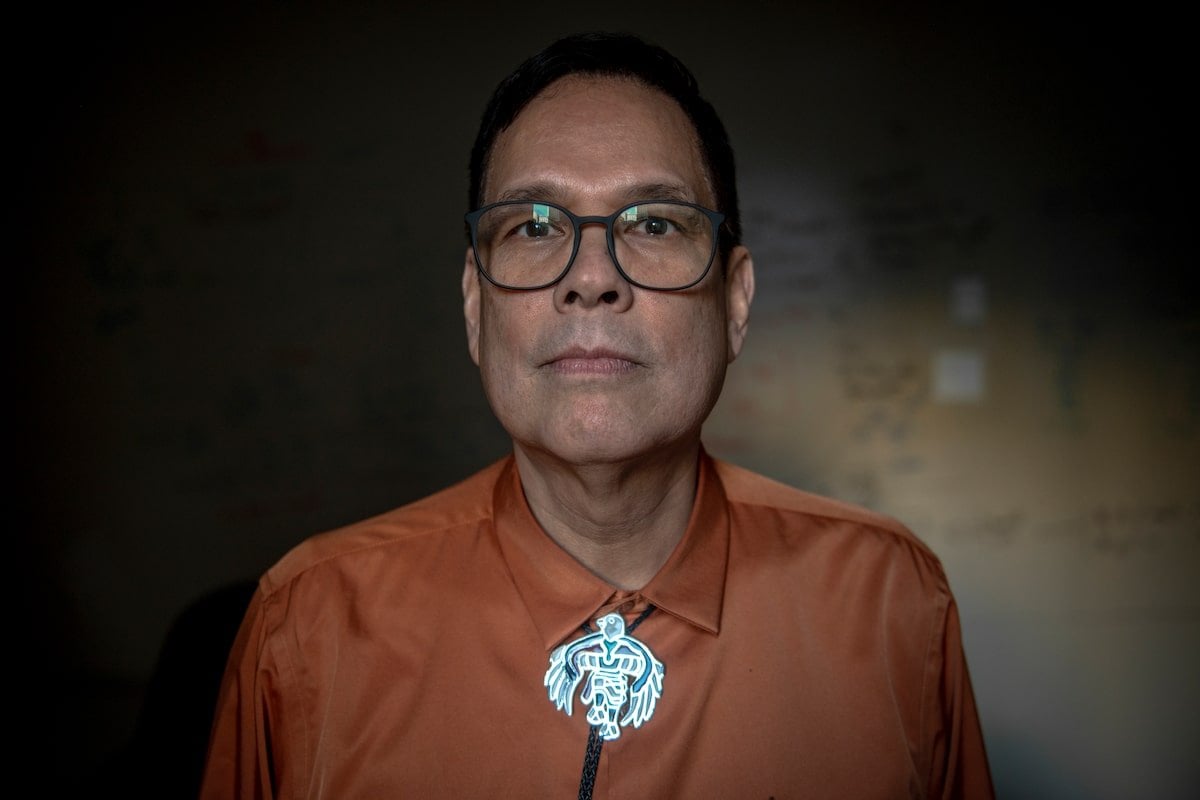
The person across the table chooses their words carefully, but David Carrière-Acco knows exactly what they’re proposing. If he agrees to team up on a bid for a government contract, his company will get a cut – without having to do any of the work.
Mr. Carrière-Acco, president of management consulting firm Acosys Consulting Services Inc., has heard some version of this pitch several times. It comes with the territory, he says, when you run an Indigenous company that does business with the federal government.
He’s never interested.
[…]
These kinds of arrangements – in which small Indigenous businesses are used by non-Indigenous firms to get preferential access to government contracts – are an open secret in the Indigenous business community.
Unveiled in 1996, the federal government’s Procurement Strategy for Indigenous Business (PSIB) was a well-intentioned policy. It hoped to develop Indigenous businesses by directing government spending their way, leading to downstream benefits for Indigenous communities. The PSIB, one insider said, was meant to be a tool in a “war on poverty.”
Nearly three decades later, it has also created an express lane for large government contractors who’ve strategically partnered with Indigenous companies.
A Globe and Mail investigation has found the government ignored decades of internal and external warnings about the Procurement Strategy for Indigenous Business, allowing companies with minimal staff and very little separation from their larger, non-Indigenous partners to flourish and win contracts earmarked for Indigenous businesses, according to an examination of corporate filings, public records and interviews with more than 50 experts and people with experience in the industry.
These partnerships – known officially as joint ventures – have done little to benefit the Indigenous business landscape or Indigenous communities, experts say.
In 2021, the Trudeau government supercharged the policy, compounding the problem. It set an ambitious target: One out of every twenty dollars spent on contracts should go to Indigenous businesses. The new goal directed a torrent of new spending towards Indigenous firms. Between 2018 and 2023, the value of those contracts quintupled. That year, the purchasing policy accounted for more than $1.6-billion.
Federal contracting has been in the public eye since revelations that the ArriveCan mobile app, commissioned by the government at the height of the COVID-19 pandemic, ballooned in cost from $80,000 to nearly $60-million. As media and parliamentary committees investigated, they learned that two of the main private companies on the project were hired through the strategy.
Some of that work had been carried out by Dalian Enterprises Inc., an Indigenous firm with two employees, and Coradix Technology Consulting Ltd., a larger, non-Indigenous operation with at least 40 staff. The two companies had worked together in a joint venture since the early 2000s.
Dalian and its partnership with Coradix have been paid at least $317-million by Ottawa since 2011, according to figures provided to the House of Commons public accounts committee. But auditors found last month they failed to meet the procurement strategy’s rules across a dozen contracts. Both firms were suspended from federal work last spring, and Coradix has since filed a lawsuit contesting the decision. David Yeo, Dalian’s founder, told The Globe earlier this year that the firm and its partnership had complied with the policy’s rules.
A Globe and Mail investigation last year found Dalian and Coradix intersected substantially. Coradix was a minority owner of Dalian, the non-Indigenous company’s founder sat on Dalian’s board, and the two businesses shared an office and many business functions.
[…]
But experts say the rules surrounding joint ventures are too lax and are allowing shell companies to flourish.
“It’s very prevalent,” says Mr. Carrière-Acco, the owner of Acosys and a member of Peter Ballantyne Cree Nation in Saskatchewan. “You’ll always find somebody who wants to game the system.”
Non-Indigenous firms have approached him with a shell proposal at least five times, he says. In exchange, he’s been offered around 5 per cent of the contract’s billable revenue.
His business, named after the Plains Cree word for “arrow,” has operated for nearly 20 years and has a joint venture of its own. While he owes much of his success to the PSIB, shells have significantly distorted the playing field.
“If I had $400-million in contracts, could you imagine what I would do with it? And here I am, trying to rub two pennies in my pocket,” he says.
“At the end of the day, when I see shell companies gaming it and government buyers willing to buy into it – it’s right there in the open, and they don’t care – I get frustrated by that.”
!ping Can&Administrative-state
Simply put this is the type of graft and inefficiency that the Liberals are comfortable with. They won’t touch this. The Liberals will hope the Conservatives will jump on this and then call the Conservatives racist.