Only a few months into U.S. President Donald Trump’s second term, the United States looks dramatically and perhaps irreversibly different at home and on the world stage. Trump’s rampage through the federal government has gutted U.S. state capacity. His undermining of basic constitutional rights at home and his hostility to immigration have made the United States inhospitable to visitors who enrich the country and contribute to its productivity and innovation. And his disregard for norms and laws has weakened American credibility and made the United States an unreliable international partner—and, even among some allies, a menace to be feared.
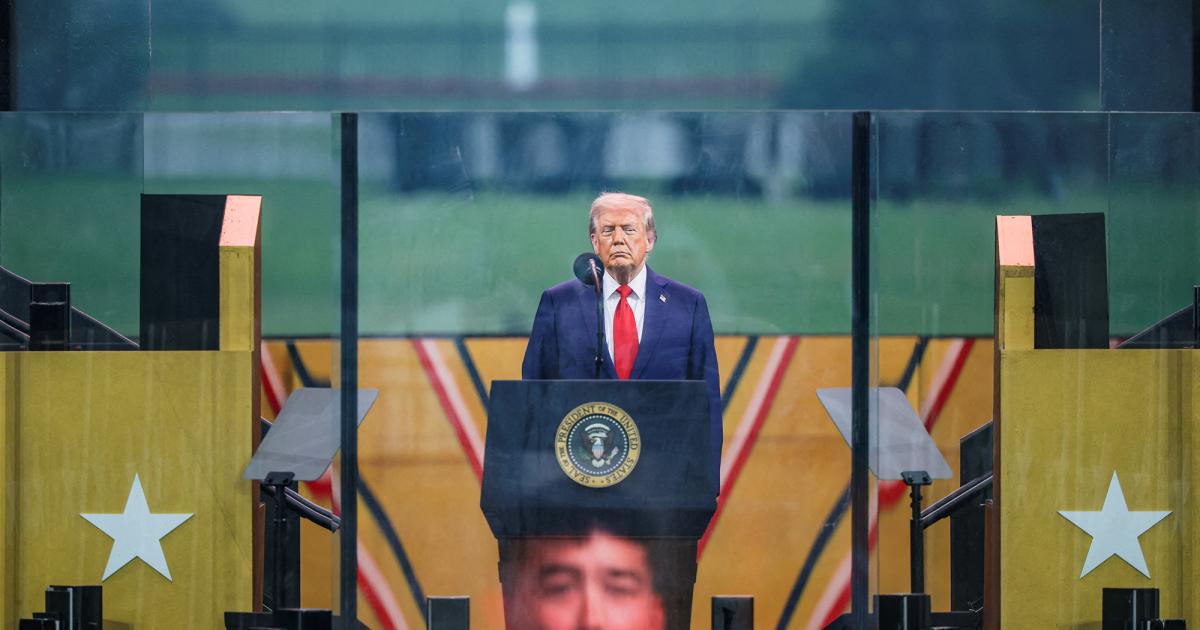
The damage done by Trump will extend well beyond his second term. The best way to make sense of this toll is to look first not at Trump’s policies but at what empowered him to make them. Trump governs today in the wake of the near-complete dismantling of checks and balances on the executive branch, at least in the foreign policy and national security realm. Since the 9/11 attacks, Congress has granted the presidency more and more power over foreign affairs and declined to take any of it back, and the Supreme Court has been reluctant to provide any meaningful restraints. Trump inherited an ever-expanding national security apparatus that operates with little oversight. His attacks on institutions during his first term sought to broaden the president’s remit even further, and in the years since, Congress and the Supreme Court have blocked efforts to check the presidency. The result is that Trump can now largely do whatever he wants when it comes to anything even glancingly related to foreign policy or national security: shipping noncitizens to prison camps in El Salvador, imposing sweeping tariffs on countries around the world, gutting congressionally mandated foreign aid commitments, bullying allies, courting autocrats, accepting lavish gifts from monarchies, deploying the military on the streets of American cities, and even marshaling the armed forces in a celebratory parade on his birthday.
Political scientists who study autocracies recognize this for what it is: a dictator’s foreign policy. Washington has never been a paragon of virtue in its dealings abroad, but the extraordinary nature of Trump’s second term makes clear that presidents before him were indeed more constrained in their foreign policy. Unrestrained, the president is functionally equivalent to a dictator in the realm of national security—one who can translate any impulse into policy on a whim.
Although Trump did not put into motion the process that has unfettered the presidency in this way, he is now its greatest beneficiary. Congress and the Supreme Court allowed the executive to grow immensely powerful in previous administrations, but certain guardrails still held. Congress’ failure to hold Trump accountable for the January 6 insurrection and the Supreme Court’s decision to grant presidents sweeping immunity in 2024 destroyed the remaining constraints. The American presidency has long been imperial. But not until Trump’s second term has a president truly tried to act as an emperor.
TF_dia on
If Trump most powerful supporters had their way the USA would evolve from Imperial Presidency to Shogunate Presidency.

2 Comments
Only a few months into U.S. President Donald Trump’s second term, the United States looks dramatically and perhaps irreversibly different at home and on the world stage. Trump’s rampage through the federal government has gutted U.S. state capacity. His undermining of basic constitutional rights at home and his hostility to immigration have made the United States inhospitable to visitors who enrich the country and contribute to its productivity and innovation. And his disregard for norms and laws has weakened American credibility and made the United States an unreliable international partner—and, even among some allies, a menace to be feared.
The damage done by Trump will extend well beyond his second term. The best way to make sense of this toll is to look first not at Trump’s policies but at what empowered him to make them. Trump governs today in the wake of the near-complete dismantling of checks and balances on the executive branch, at least in the foreign policy and national security realm. Since the 9/11 attacks, Congress has granted the presidency more and more power over foreign affairs and declined to take any of it back, and the Supreme Court has been reluctant to provide any meaningful restraints. Trump inherited an ever-expanding national security apparatus that operates with little oversight. His attacks on institutions during his first term sought to broaden the president’s remit even further, and in the years since, Congress and the Supreme Court have blocked efforts to check the presidency. The result is that Trump can now largely do whatever he wants when it comes to anything even glancingly related to foreign policy or national security: shipping noncitizens to prison camps in El Salvador, imposing sweeping tariffs on countries around the world, gutting congressionally mandated foreign aid commitments, bullying allies, courting autocrats, accepting lavish gifts from monarchies, deploying the military on the streets of American cities, and even marshaling the armed forces in a celebratory parade on his birthday.
Political scientists who study autocracies recognize this for what it is: a dictator’s foreign policy. Washington has never been a paragon of virtue in its dealings abroad, but the extraordinary nature of Trump’s second term makes clear that presidents before him were indeed more constrained in their foreign policy. Unrestrained, the president is functionally equivalent to a dictator in the realm of national security—one who can translate any impulse into policy on a whim.
Although Trump did not put into motion the process that has unfettered the presidency in this way, he is now its greatest beneficiary. Congress and the Supreme Court allowed the executive to grow immensely powerful in previous administrations, but certain guardrails still held. Congress’ failure to hold Trump accountable for the January 6 insurrection and the Supreme Court’s decision to grant presidents sweeping immunity in 2024 destroyed the remaining constraints. The American presidency has long been imperial. But not until Trump’s second term has a president truly tried to act as an emperor.
If Trump most powerful supporters had their way the USA would evolve from Imperial Presidency to Shogunate Presidency.