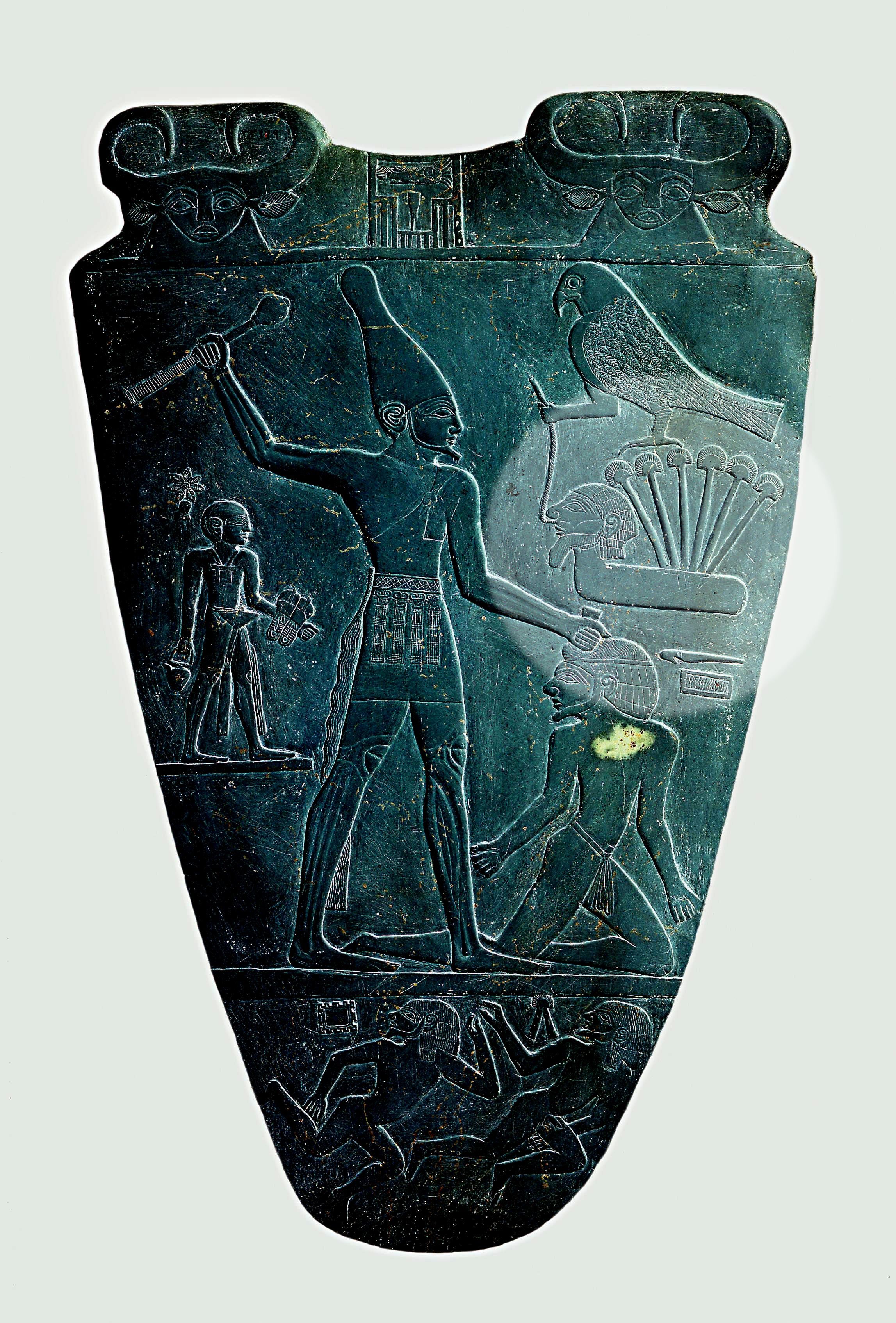
The Sphinx is much older than 4th Dynasty, and the Narmer Palette proves it.
Posted by Draculea

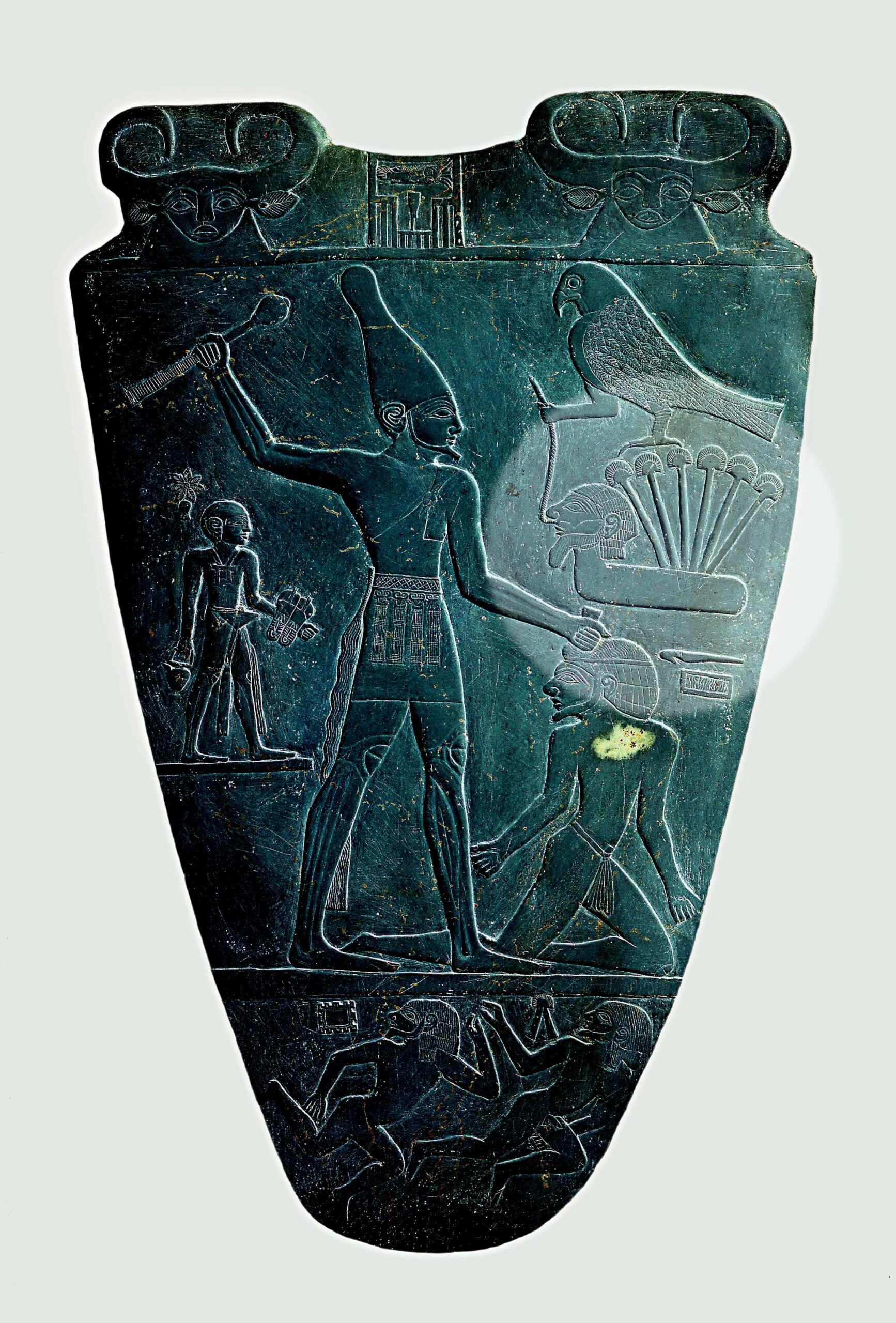
The Sphinx is much older than 4th Dynasty, and the Narmer Palette proves it.
Posted by Draculea
3 Comments
Submission Statement: The Narmer Palette is an artefact from ancient Egypt that depicts the unification of Upper and Lower Egypt. It is dated between 3200 and 3000 BC.
Conventionally, the Sphinx is thought to have been built around 2500 BC.
I contest that the Sphinx already existed when the Narmer Palette was created, and is depicted as-circled in the image. I think, at this time, it was already buried up to its shoulders in sand and this is how it was seen by the people of the time – with a more-complete head and a back-ornament representative of the people of Lower Egypt.
Why would the Egyptians of this period, who spent special effort on the proportions of humans in their artwork, depict a “prisoner” – the common theory as to what this figure represents – as a featureless rectangular blob, unless that’s what it actually looked like to the people of ~3000BC?
Oh, Conspiracy: The Egyptology Industry has been built up around the idea that there were no pre-Egyptian societies capable of building such a monument, and the Sphinx being older than 3200BC – maybe as old as 5000 or 7000BC – would cause for study of other, earlier cultures in the area. Egyptologist are very protective of letting anyone study the monument, and fiercely resist any theories that predate Ancient Egypt, allowing for Prehistoric Egypt to have had a hand in the monolith’s construction.
That highlighted thing looks like that Dreamcast game (called Seaman)
[edit: Dreamcast, game name]
Based Eagle pulling worm out of the nose much earlier than Ivermectin was made.