
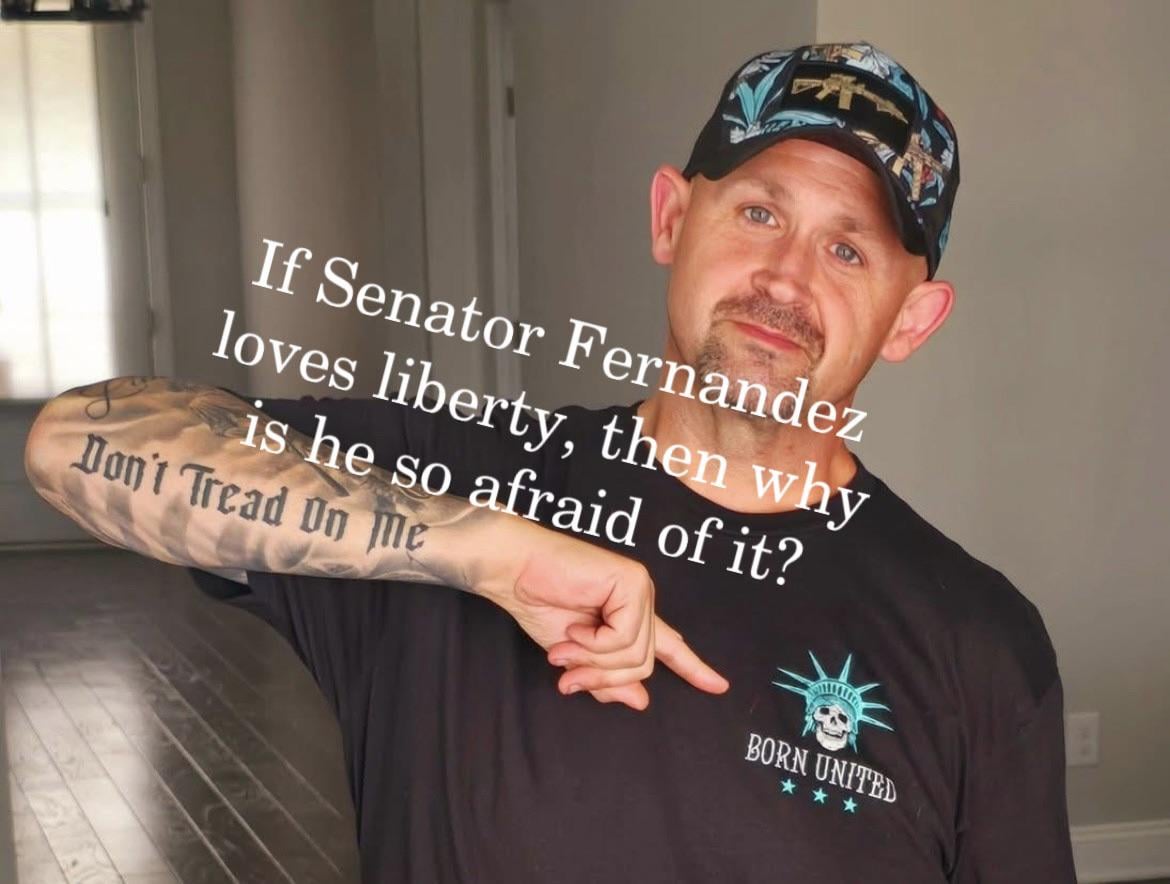
In South Carolina, Senator Tom Fernandez actively moderates a 107,000+ member Facebook group called Berkeley County Growth & Development. The group is labeled “Public” and used by Fernandez to share legislative updates, promote policy positions, and engage with constituents; yet hundreds (if not thousands) of people, including myself, have been blocked or had comments removed simply for respectfully disagreeing with his words or actions.
This raises serious questions about government censorship in digital public forums.
The Supreme Court has weighed in on this kind of issue:
-
In Lindke v. Freed (2024), the Court ruled that public officials cannot restrict speech on platforms used in their official capacity.
-
Knight First Amendment Inst. v. Trump (2019) and Davison v. Randall (2017) also found that blocking critics from public political pages constitutes a viewpoint-based First Amendment violation.
Libertarians should be alarmed by the growing trend of elected officials using social media to push policy, while silencing voices that challenge them. If the state uses these platforms as digital town squares, it should not get to pick and choose who participates based on political agreement.
This is not about left or right;it is about government accountability and freedom of expression.
If you want to hold government officials accountable to their constituents and the Constitution, then sign my petition: https://chng.it/KSVwcXyj6w
Submission Statement:
This post relates directly to libertarian values around government overreach, the First Amendment, and the use of state power to suppress dissent. It highlights how elected officials may be abusing digital platforms to control public discourse and silence criticism.
Posted by Tyghes
1 Comment
Submission Statement:
This post relates directly to libertarian values around government overreach, the First Amendment, and the use of state power to suppress dissent. It highlights how elected officials may be abusing digital platforms to control public discourse and silence criticism.